 Mike Carter
Three of my Silver Laced Wyandotte pullets started laying at exactly 18 weeks, right in the middle of a January cold snap that had dropped temps into the single digits. No heat lamp, no fuss from them. They just walked out of the coop, scratched around in the snow for a bit, and went back in to lay. That was the moment I stopped treating cold-hardiness as a feature on a spec sheet and started understanding it as a real thing Wyandottes actually deliver on.
I’ve been keeping chickens for a decade now, and I’ll be straight with you: Wyandottes are one of the two or three breeds I’d recommend without hesitation to almost anyone, with a few caveats I’ll get into. They’re not the most glamorous bird, they’re not going to win you an egg-laying contest against a White Leghorn, and they can be a little standoffish compared to something like an Easter Egger or a Buff Orpington. But they are steady, cold-tolerant, genuinely dual-purpose birds with a sensible temperament and enough variety in color patterns to be genuinely beautiful in a backyard flock. What most people don’t realize is how much those things together matter once you’ve actually lived through a full year of chicken-keeping.
- Wyandottes lay roughly 200-240 brown eggs per year, less than Leghorns but far better than most heritage breeds.
- Rose combs make them one of the most cold-hardy breeds available, frostbite is nearly a non-issue.
- They're calm but not cuddly; good for families with kids who won't chase them.
- Wyandottes reach 6.5-8.5 lbs at maturity, making cockerels genuinely useful as meat birds.
- Feed consumption runs about 1/4 lb per bird per day; figure $18-22/month for a 6-bird flock on quality layer pellets.
Why the Rose Comb Actually Matters
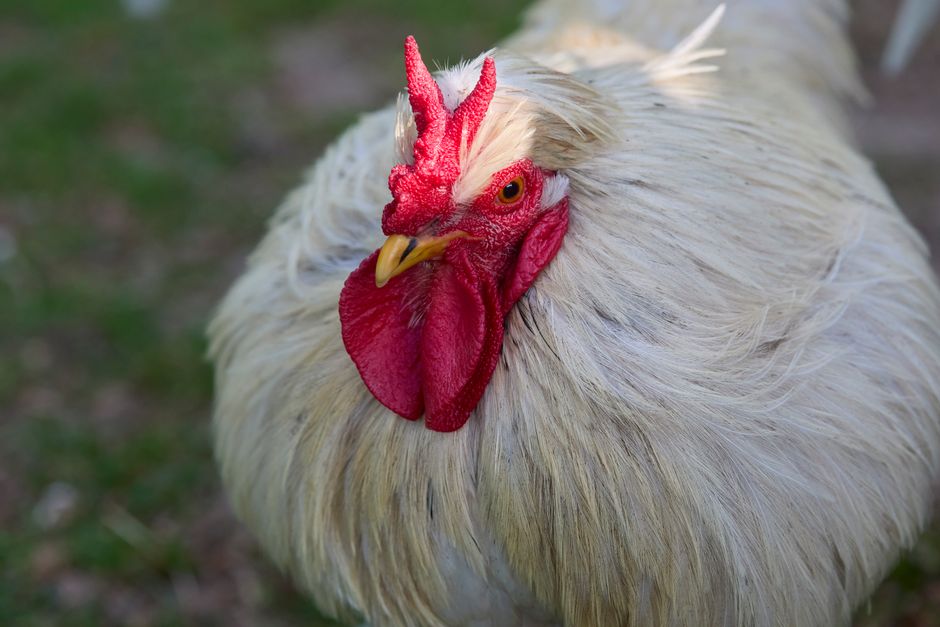
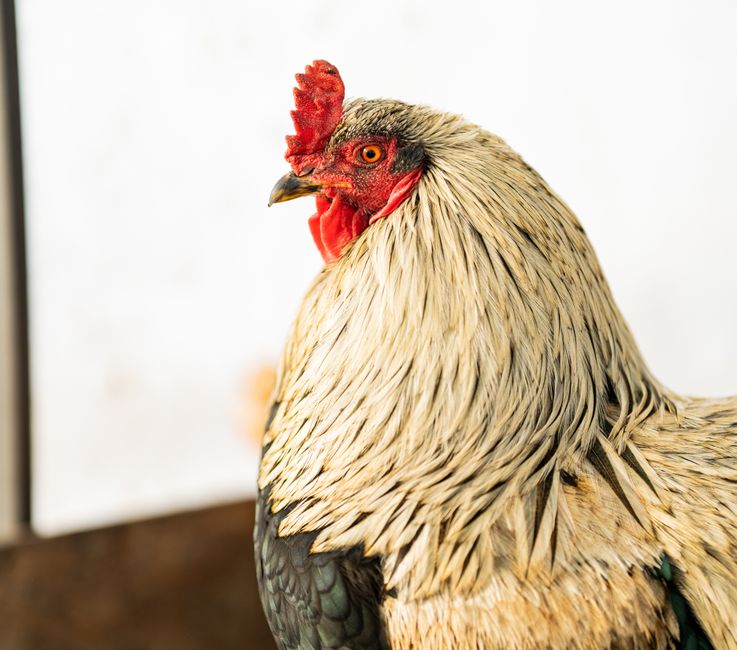
Most people pick breeds based on photos. That’s fine, Wyandottes are genuinely striking birds, especially Silver Laced and Gold Laced varieties. But the feature that keeps me recommending them is the rose comb, and it’s not something you’ll appreciate until you’ve treated your first case of frostbitten comb tips.
Single-combed breeds like Leghorns, Rhode Island Reds, and Australorps have long comb points that stick up and are incredibly vulnerable to temperatures below about 25°F. I lost a rooster’s comb tips in February a few years back despite a well-insulated coop. Wyandotte rose combs sit flat against the head, with barely any tissue exposed. As of this year (July 2026), I have not once dealt with frostbite on a Wyandotte in nine winters of keeping them, through weather as low as -8°F in zone 6. That’s not luck.
If you’re in the northern US, Canada, or anywhere else that sees hard winters, this one trait is worth building a flock around.
Egg Production: Honest Numbers
Let me give you the actual range instead of the “excellent layer” vagueness you’ll see everywhere.
A healthy Wyandotte hen in her first two laying years will typically give you 4-5 eggs per week during peak production, which works out to roughly 200-240 eggs annually. Compare that to a White Leghorn (280-320 eggs/year), a Barred Rock (250-280), or a Dominique (around 180-230). Wyandottes sit comfortably in the middle of the dual-purpose category.
What the numbers don’t show: Wyandottes hold their production through winter better than most breeds I’ve kept. When my Barred Rocks slowed to one or two eggs a week in December and January without supplemental light, my Wyandottes were still putting out 3-4 each. That winter production consistency is a real advantage for anyone who doesn’t want to manage lighting systems.
One thing to watch: after year three, production drops noticeably. By year four you’re often looking at 100-140 eggs annually from a bird that’s eating the same amount. That’s a culling decision you’ll have to make for yourself, but it’s something the hatchery websites never prep you for.
The Varieties (and Which Ones to Actually Get)
3 BEST CHICKEN BREEDS | Backyard & Family Flocks | Favorite Poultry Varieties For Beginners | Chicks · Oak Abode on YouTube
Wyandottes come in more color varieties than almost any other breed. The American Poultry Association recognizes eight: Silver Laced, Gold Laced, White, Black, Buff, Columbian, Partridge, and Silver Penciled. There are also Blue Laced Red Wyandottes (BLRW) that have become wildly popular, though they’re not APA-recognized as a standard variety.
Here’s my honest take on the options most backyard keepers actually face:
Silver Laced is the original and, production-wise, tends to be the most consistent. Hatchery stock is widely available from sources like Meyer Hatchery, Cackle Hatchery, and Murray McMurray, typically running $4-7 per chick as of this spring’s pricing. They’re beautiful and dependable.
Gold Laced is slightly harder to find in strong production stock. Beautiful bird. If you’re buying from a hatchery for egg production rather than show, the Gold Laced lines can be hit or miss in terms of laying consistency.
Blue Laced Red Wyandottes are genuinely one of the most stunning birds in the backyard flock world. They also come from much smaller specialty breeders, so you’re looking at $10-20+ per chick and more variability in temperament and production. I’d recommend them to experienced keepers who know what they’re selecting for.
White Wyandottes are underrated. Cleaner to sex accurately as chicks, good production, and often calmer in temperament in my experience. Less flashy, more functional.
Feed, Space, and What They Actually Cost to Keep
Wyandottes are medium-to-large birds. Hens run 6-6.5 lbs, cockerels 8-8.5 lbs fully grown. They eat accordingly.
| Cost Factor | Estimated Range (6-bird flock) | Notes |
|---|---|---|
| Quality layer pellets (16% protein) | $18-22/month | ~1/4 lb per bird per day |
| Chick starter (first 8 weeks) | $14-18 one-time | 50 lb bag usually covers 6-10 chicks |
| Feeder + waterer setup | $35-65 | Horizontal nipple waterers reduce waste |
| Coop bedding (pine shavings) | $10-14/month | Deep litter method reduces this |
| Occasional grit and oyster shell | $5-8/month | Don’t skip the oyster shell |
| Veterinary/medication (annual estimate) | $20-60/year | Mostly dewormers and mite prevention |
The one place I’d tell you not to cheap out: feed quality. I ran a 12-hen mixed flock for about four months on a generic store-brand 14% protein layer crumble to cut costs, and I watched egg production drop roughly 15% and saw thinner shells on about a third of my eggs. Switching back to a quality 16% pellet (I’ve used Purina Layena and Nutrena NatureWise interchangeably over the years) fixed both issues within about six weeks.
Temperament: What “Docile” Actually Means With These Birds
I’ve seen Wyandottes described as “docile and friendly” on nearly every breed page on the internet. That’s not wrong, exactly, but it’s incomplete enough that new keepers end up confused when their Wyandotte hens don’t run up to them like Buff Orpingtons do.
Wyandottes are calm. They’re not flighty, they won’t panic and fly into walls when you enter the coop, and they tolerate handling reasonably well if you work with them from chick-hood. But they’re also a bit proud and independent. They’re not going to follow you around the yard begging for attention. I’d describe them as confident rather than cuddly. For families with kids who want a lap chicken, look at Orpingtons or Salmon Faverolles. For families with kids who need a bird that won’t go nuts when chased but also won’t demand to be petted, Wyandottes are ideal.
One behavioral note that took me by surprise: Wyandotte hens can be dominant in a mixed flock. I had three Silver Laced Wyandottes added to an existing flock of Easter Eggers and Australorps, and within ten days, two of the Wyandottes were at the top of the pecking order despite being newcomers. Not aggressive in a damaging way, just assertive. Worth knowing if you’re integrating them.
Dual Purpose in Practice
Cockerels from a straight-run Wyandotte order dress out at roughly 4.5-5.5 lbs live weight at 16-20 weeks, depending on feeding. That’s a real table bird. Not Cornish Cross performance, obviously, but if you’re already ordering chicks and want to avoid the awkward “what do I do with the roosters” situation, Wyandottes give you a better answer than most dual-purpose breeds.
Scenario from my own flock: straight-run order of 12 Silver Laced Wyandottes in spring, ended up with 5 cockerels. Processed at 18 weeks on a finishing diet of 18% grower + free range access. Average dressed weight: 4.8 lbs. Enough for a solid roast chicken dinner, worth the processing time.
Sources
- University of Kentucky Cooperative Extension Poultry Publications: breed production data and feed management guidelines
- American Poultry Association Standard of Perfection (current edition): official Wyandotte breed standards and recognized varieties
- Merck Veterinary Manual (online, 2025): poultry frostbite prevention and comb physiology
- Storey’s Guide to Raising Chickens by Gail Damerow (4th edition): dual-purpose breed comparisons and production benchmarks
- National Sustainable Agriculture Information Service (ATTRA): heritage breed production data for small and backyard flocks
Photo: Erwin Bosman via Pexels