 Mike Carter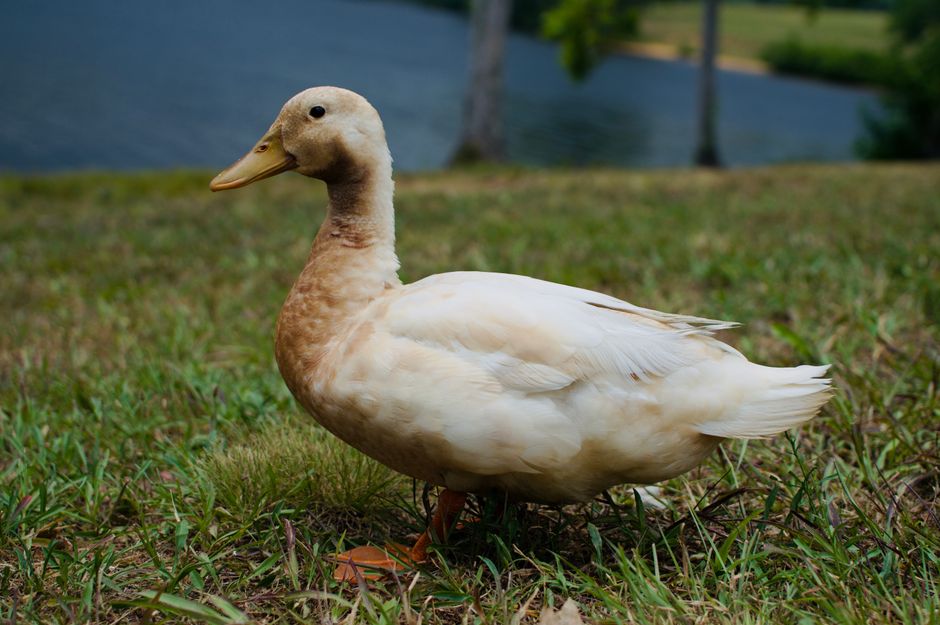
Most backyard flock keepers assume ducks are the safer, lower-drama alternative to chickens. They’re hardy, they’re funny to watch, and the internet has spent years romanticizing them as beginner-friendly birds. I’ll be honest: I believed that too, for a long time. This summer is forcing a real reckoning with that assumption.
The CDC is tracking an active, multi-strain Salmonella outbreak linked to backyard poultry, and as of June 25, 2026, it has sickened 513 people across 43 states and a U.S. territory. One person in Washington state has died. 134 others have been hospitalized. And buried inside that data is something I didn’t expect when I first read the investigation update: Pekin ducks are disproportionately showing up at the center of the dominant strain.
If you added ducks to your flock this spring, or you’re thinking about it, this article is for you.
What the Numbers Actually Say About Pekin Ducks
| Salmonella Strain | Confirmed Cases | Duck-Related Contact (%) | Pekin-Specific (%) | Antibiotic Resistance Profile |
|---|---|---|---|---|
| Saintpaul | 133 | 50% | 64% | Fosfomycin, chloramphenicol, streptomycin, ciprofloxacin |
| Enteritidis | Not specified | Not specified | Not specified | Not specified |
| Indiana | Not specified | Not specified | Not specified | Not specified |
| Infantis | Not specified | Not specified | Not specified | Not specified |
| Mbandaka | Not specified | Not specified | Not specified | Not specified |
The 2026 outbreak involves five concurrent Salmonella strains: Enteritidis, Indiana, Infantis, Mbandaka, and Saintpaul. Of those, Saintpaul is the largest, with 133 confirmed cases. It’s also the one with the most alarming resistance profile. The CDC has documented resistance to fosfomycin in the Saintpaul strain, with additional resistance to chloramphenicol, streptomycin, and ciprofloxacin in some samples. That matters because antibiotic resistance changes the clinical calculus when someone, especially a child or immunocompromised adult, ends up hospitalized.
Here’s the Pekin-specific data: of the 157 Saintpaul patients who reported which poultry species they’d had contact with, 50% reported contact with ducklings or ducks. Among the subset who provided duck breed information, 64% specifically named Pekin ducks. That’s not a coincidence you can wave away.
What surprised me was how clean the sourcing looks. Whole-genome sequencing has confirmed the Saintpaul outbreak strain directly in livestock from linked hatcheries, with samples collected in Idaho, Michigan, Minnesota, and Ohio. Seven hatcheries total have been connected to the outbreak strains. And yet, as of the most recent CDC update, no product recall has been issued.
Why Pekins, Specifically?
The research here is genuinely mixed, and I don’t want to overstate what we know. Pekin ducks aren’t inherently more dangerous than other poultry. What they are is the most commercially dominant duck breed in the U.S. backyard market. When people buy ducklings from a feed store in spring 2026, they are almost certainly buying Pekins. So the breed’s prevalence in outbreak data may partly reflect market share, not some unique biological relationship with Saintpaul.
That said, there are real behavioral factors that increase exposure risk with ducks specifically. Ducks are messy in a way that chickens aren’t. They splash their water, they defecate in their water, and they spread that contaminated water across a wide area every single day. The fecal-oral transmission route for Salmonella thrives in that environment. Ducklings especially tend to generate that kind of wet, contaminated mess in brooders, which is exactly where kids are most likely to pick them up and cuddle them.
84% of people who got sick reported acquiring their poultry since January 1, 2026, which means we’re talking about spring chick and duckling season: the annual wave of impulse purchases from Tractor Supply, Rural King, and similar retailers. Many of those birds trace back to the seven implicated hatcheries.
The Summer Risk Amplifier Nobody’s Talking About
Backyard poultry Salmonella isn’t a new problem. The CDC has tracked these outbreaks for years. But summer consistently makes it worse for two reasons that stack on each other in a bad way.
First, higher ambient temperatures increase Salmonella’s environmental persistence in outdoor poultry areas. The bacteria survive longer in warm, moist soil and in the standing water that ducks create constantly. Your run, your waterers, the ground around the coop: all of it becomes a more effective reservoir as temperatures climb through July and August.
Second, and more directly: kids are outside more. More than one in four of the 513 cases are children under age 5. According to a Medical Daily report from June 25, the CDC is specifically warning families about the elevated risk to young children during summer months. Young children are particularly vulnerable because they’re more likely to put their hands in their mouths, less likely to wash hands thoroughly, and their immune systems handle Salmonella differently than adults.
I’ve seen this play out in the backyard flock community. Parents buy ducklings in March for their kids. By July, those ducks are adults living in the backyard, and the kids are spending entire afternoons out there. That’s a sustained exposure window.
What You Need to Change Right Now
I’m not going to tell you to get rid of your ducks. That’s not realistic advice for most keepers, and it’s not what the situation calls for. What it calls for is tightening up practices that many of us have gotten sloppy about.
Handwashing has to be non-negotiable and it has to happen immediately after any contact with birds or their environment. Not after coming inside, not after lunch. Right then. Soap and water for at least 20 seconds. Hand sanitizer alone is not enough for Salmonella.
Keep young children from kissing or nuzzling birds. I know how this sounds coming from someone who thinks backyard ducks are genuinely delightful. But the outbreak data is specific: the under-5 population is getting hit hard, and the exposure route is direct contact with birds.
Manage your duck water aggressively. Ducks will always make a mess of their waterers. Change water daily at minimum, and consider using nipple waterers or waterers that ducks can drink from but can’t splash around in, then provide a separate, contained bathing area that’s away from where kids play. Don’t let contaminated water pool and sit in the heat.
If any of your birds came from a feed store or hatchery since January and you have reason to think they might be Pekins from one of the implicated supply chains, the CDC investigation page is worth bookmarking and checking for updates. The fact that no recall has been issued despite confirmed hatchery-level contamination means this is still an evolving situation.
Sources
- CDC Salmonella Outbreaks Linked to Backyard Poultry , Investigation Update (June 25, 2026)
- The Backyard Poultry Salmonella Outbreak Is Still Active with 513 Cases , Summer Is Peak Season (June 30, 2026)
- Your Backyard Chickens Could Make Your Child Seriously Ill, CDC Warns Families (June 25, 2026)
- Backyard Chickens and Ducks Turn Deadly with Salmonella (May 15, 2026)
- Outbreak Numbers Related to Backyard Poultry Flocks Rising Quickly (May 27, 2026)
Photo: Cohen Sanderson via Pexels