 Mike Carter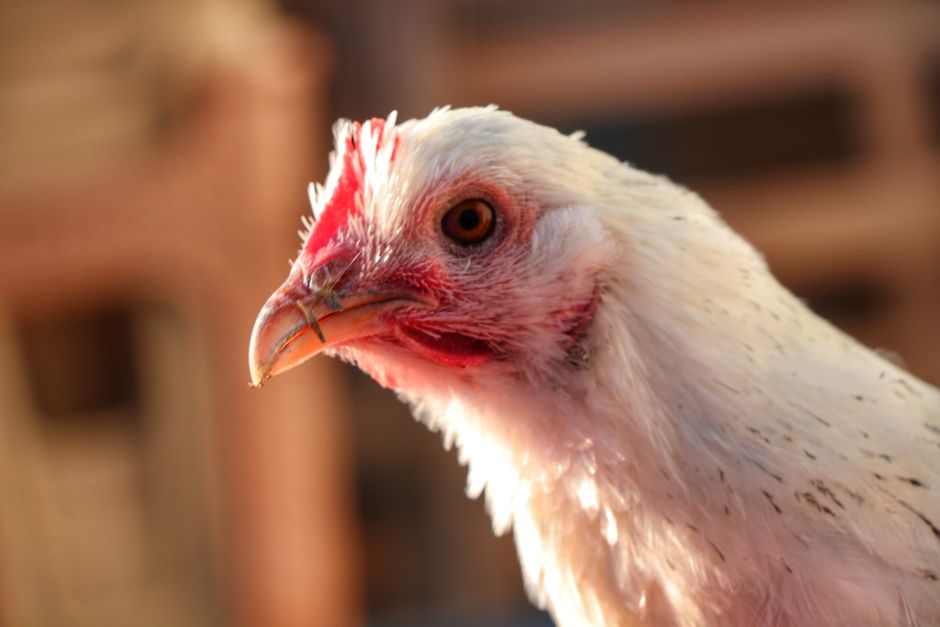
Most chicken keepers see a sneeze or two and immediately spiral into a full-on respiratory disease panic. I did that myself the first winter I kept birds. Turns out, one of my hens had just stuck her face too deep into a pile of pine shavings. But here’s the thing: sometimes the sneeze really is something serious, and knowing the difference could save your whole flock.
I’ll be honest, I spent years giving advice I now think was oversimplified. “A sneeze here and there is normal, don’t worry about it.” That’s technically true, but it glosses over a real pattern you need to recognize before things go sideways. So let me walk you through what I’ve actually observed across a decade of keeping birds, what the research does and doesn’t tell us, and how to make a genuinely informed call on what’s happening with your hen.
When Sneezing Is Actually Nothing
Chickens have sensitive respiratory tracts. Way more sensitive than you’d expect from an animal that will happily eat a mouse. Dust is the single most common cause of occasional sneezing in an otherwise healthy flock, and if you keep chickens indoors or in a poorly ventilated coop, the air quality is usually worse than you think.
Pine shavings, especially the fine-particle kind, kick up a lot of dust. Same with dry scratch grain, moldy hay, or any bedding that’s been sitting too long. What surprised me was how dramatically my flock’s sneeze rate dropped when I switched from kiln-dried pine shavings to a larger-flake pine shaving and started deep-littering properly, keeping the moisture balance in that Goldilocks zone where the bedding isn’t bone-dry and dusty but also isn’t wet and anaerobic.
New bedding smells strongest, and hens will often sneeze repeatedly on a freshly cleaned coop day. That’s not illness. That’s a chicken reacting to the same irritant you’d react to if you stuck your face in a bag of sawdust.
A few other benign triggers:
- Moldy or dusty feed (check your bag, especially in summer humidity)
- Treating the coop with DE (diatomaceous earth) while birds are present, which I’d argue you shouldn’t be doing anyway
- Pollen in spring, particularly if your run borders a yard with heavy-blooming trees
- A single bird who’s just a sneezy individual (yes, this is real, some hens are just like that)
The pattern here is: a sneeze or two, no other symptoms, no nasal discharge, birds still eating and acting normally. That’s low-concern territory.
When You Should Actually Worry
Here’s where I want to push back on the “chickens sneeze, it’s fine” advice you’ll read everywhere. The presence of additional symptoms alongside sneezing changes the calculus completely.
Watch for nasal discharge, especially if it’s thick, colored, or has any smell to it. Watch for rattling or gurgling sounds when the bird breathes, which you can often hear just by picking her up and holding her close. Watch for facial swelling around the sinuses or eyes. Swollen infraorbital sinuses look like a puffiness right below the eye, and once you’ve seen it you’ll never miss it again. Watch for the bird holding her head low, standing fluffed up, or separating from the flock.
Any combination of sneezing plus one or more of those signs puts you in “actual respiratory illness” territory, and that’s a different conversation.
The most common culprits in backyard flocks, as of 2026, are:
Mycoplasma gallisepticum (MG): The most widespread respiratory pathogen in backyard chickens in North America. Spreads easily, persists in a flock indefinitely, and often lives dormant until a stressor (extreme heat, overcrowding, a molt) triggers symptoms. Infected birds are carriers for life.
Infectious Bronchitis (IB): A coronavirus (not the human kind, just to head that off) that moves through a flock extremely fast. Birds look rough for 1-2 weeks and most survive, but it can set up secondary bacterial infections that are what actually kill birds. It also permanently damages laying performance in pullets who get it before they start laying.
Newcastle Disease (NDV): Rarer in backyard flocks but legally reportable in many states. Sneezing is an early sign. If you see neurological symptoms alongside it, call your state vet.
Infectious Coryza: Caused by Avibacterium paragallinarum. The smell is the tell here, a truly distinctive foul odor from the nasal discharge. Once you’ve smelled a coryza flock, you never forget it. It spreads fast through water.
Aspergillosis: A fungal infection, not contagious bird-to-bird, but often misdiagnosed as something else. Usually traced to moldy bedding or feed.
Aspergillosis gets a zero because it doesn’t spread bird-to-bird at all, every case is individual exposure to mold.
What a Sick-Bird Workup Actually Looks Like
How to Heal a Dying Chicken in 5 Minutes · BecomeInspired on YouTube
I’m going to give you the practical version of how I assess a sneezing bird, because the internet advice on this topic tends to be either “it’s probably fine” or “go to a vet immediately,” without anything in between.
Step 1: Isolate the bird. Not forever, just long enough to observe her without the chaos of a flock making assessment impossible. Put her in a wire dog crate in a quiet space for 24-48 hours. A 36-inch Midwest Lifestages crate works fine for a standard breed hen.
Step 2: Observe eating, drinking, and droppings. A sick bird will often stop eating or drink excessively. Respiratory illness frequently causes a drop in water consumption because swallowing is uncomfortable when sinuses are inflamed. Note whether droppings look normal or watery.
Step 3: Check for discharge. Use a clean paper towel and gently touch around the nostrils. Is there any moisture? Clear discharge is less alarming than yellow, green, or cheesy-looking discharge.
Step 4: Listen to breathing. Pick her up, tuck her under your arm, put your ear near her head. Any clicking, rattling, or wheeze?
Step 5: Check her coop. Seriously. Pull out your phone flashlight and look at the ventilation, the bedding condition, the feeder. I can’t count how many “sick flock” situations I’ve seen traced back to a waterer that had been growing algae for three weeks.
Scenario A: Single hen sneezing, no discharge, no other symptoms, just came off a hot day, rest of flock fine. → Monitored for 5 days, added a second water point to reduce competition/stress, cleaned waterer. → Sneezing resolved within 3 days, no treatment needed.
Scenario B: Three birds out of twelve sneezing with clear discharge, one bird with mild facial swelling below left eye, slight rattling on auscultation (holding bird to ear). → Sent a bird to state lab for necropsy (this is the only way to know for sure, and most state labs charge $25-$75 per bird). → Confirmed Mycoplasma gallisepticum. Treated with Tylosin in water for 5 days, supportive care, culled the bird with severe swelling. Remaining birds became permanent carriers.
Scenario C: Entire flock sneezing within 48 hours, birds still eating but eggs dropped 40%, no discharge. → Assumed Infectious Bronchitis based on speed and pattern. → Supported with vitamins, reduced flock stress, isolated new symptoms. Full recovery in 18 days, but two pullets never laid normally afterward.
Treatment Options and Real Costs
I’ll be honest: there’s no great over-the-counter cure for most bacterial respiratory infections in chickens. What you can buy without a prescription (as of July 2026) has gotten more restricted, not less. The FDA Veterinary Feed Directive rules from several years back tightened antibiotic access significantly, and some antibiotics that used to be available OTC now require a veterinary prescription.
Here’s a realistic breakdown of what you’re dealing with:
| Illness | Can you treat OTC? | Prescription needed? | Estimated treatment cost per bird | Outcome |
|---|---|---|---|---|
| Mycoplasma (MG) | Partially (Tylosin Tartrate powder available some places) | For most effective options, yes | $8-$15 for a small flock course | Suppresses, doesn’t cure; birds stay carriers |
| Infectious Bronchitis | Supportive care only | N/A, it’s viral | $2-$5 (vitamins, electrolytes) | Usually self-limiting, ~2-3 weeks |
| Infectious Coryza | Sulfa drugs, some OTC still | For Baytril/enrofloxacin, yes | $12-$30 per flock course | Curable if caught early |
| Aspergillosis | No practical treatment | Yes (antifungals) | $40+ | Poor prognosis, often euthanize |
| Newcastle Disease | None | Reportable disease | N/A | Notify state vet immediately |
One thing I’d push you toward that most people skip: contact your state’s poultry diagnostic lab before you buy any medication. Most state ag departments run these labs and the initial consultation is free. They’ll tell you what they’re currently seeing circulating in your area, which is genuinely useful. What’s going around in Iowa right now isn’t necessarily what’s going around in Georgia.
Coop Environment: The Thing Nobody Fixes
If I had to bet on the single most overlooked cause of chronic low-grade respiratory issues in backyard flocks, it’s ventilation. Not predator protection, not feed quality, ventilation.
Most small-flock coops are undersized and over-sealed. People read that chickens need warmth in winter and then board up every gap, creating a sealed box where ammonia from droppings builds up overnight. Ammonia is a direct respiratory irritant. At concentrations above 25 parts per million, which you can reach in a small sealed coop with just four birds, it causes measurable damage to the respiratory epithelium and makes birds dramatically more susceptible to every pathogen on the list above.
You can buy an ammonia detector (RKI Instruments makes a decent portable one, though they run around $180) or use the quick-dirty test: open your coop first thing in the morning before any ventilation, stick your face in, and breathe. If your eyes water or you smell anything sharp, your birds have been breathing that all night.
The fix isn’t complicated. High ventilation openings (above the roost level so birds aren’t in a draft) year-round, even in cold climates. A good rule of thumb is 1 square foot of ventilation per 10 square feet of coop floor space at minimum, and I’d argue for more. Deep litter managed properly, where you’re adding carbon material regularly to offset nitrogen from droppings, dramatically reduces ammonia.
Sources
- UC Davis School of Veterinary Medicine, Poultry Health Program: Clinical reference for poultry respiratory disease diagnosis and treatment protocols
- Merck Veterinary Manual, “Respiratory Diseases of Poultry”: Detailed descriptions of MG, IB, Newcastle, and Coryza pathology and management
- USDA APHIS National Poultry Improvement Plan (NPIP) documentation: Current standards for flock testing and disease surveillance in the US
- University of California Agriculture & Natural Resources, Poultry Fact Sheets: Practical extension resources for small-flock keepers on disease identification and biosecurity
- The Chicken Health Handbook by Gail Damerow (2nd ed.): The single most referenced practical guide to poultry illness in the backyard flock community (disclosure: affiliate link)
Photo: Elif Taşlı via Pexels