 Dr. Tom Henderson
Most chicken keepers panic when they see a hen limping. I did too, the first time. Then I made the classic beginner mistake: I assumed it was bumblefoot, wrapped the foot in vet wrap, and basically did nothing for a week. Turned out the bird had Marek’s disease, and I lost her. I don’t want that to happen to you.
Limping in chickens has a surprisingly wide range of causes, and the difference between a bird that recovers in four days and one that dies in four weeks often comes down to figuring out which one you’re dealing with quickly. So let me walk you through what I’ve learned from a decade of this, from the obvious stuff to the things that blindsided me.
- Bumblefoot (Staphylococcus infection on the footpad) causes 40-60% of backyard chicken limping cases.
- Marek's disease causes nerve paralysis and is often mistaken for injury, it's fatal and untreatable.
- A chicken limping for more than 3 days with no visible wound needs a vet visit, not more waiting.
- Vitamin B2 (riboflavin) deficiency causes a distinctive "curled toe" paralysis, fixable with supplements.
- Predator attack injuries and roost-height falls are the most common trauma causes, check the hock joint first.
Start Here: How to Actually Examine a Limping Chicken
Pick the bird up and bring her somewhere with good light. Tuck her under your arm like a football (seriously, this restraint method works better than anything), and start at the toes and work up. You’re looking for four things: swelling, heat, wounds, and asymmetry between the legs.
The foot is your first stop. Flip it over and look at the footpad. Bumblefoot shows up as a darkened, callused scab, often with a hard black plug in the center, on the bottom of the foot. The surrounding tissue may be swollen and hot. In my experience, it often starts on just one toe and spreads if ignored, and there’s a faint sour smell when the infection is advanced. That smell is one of those things nobody tells you about until you’ve already smelled it.
Next, run your fingers up the leg. Feel for swelling at the hock joint (that’s the big joint halfway up, equivalent to our ankle). A swollen, squishy hock that feels warm is often Mycoplasma synoviae or another bacterial joint infection. A swollen, hard hock with no heat can be gout. Then look at the leg itself, does the leg look weak rather than painful? A bird that won’t put weight on one leg but shows no swelling anywhere is the one that worries me most, because that presentation points toward neurological causes.
The Most Common Culprits (and How to Tell Them Apart)
| Cause | Key Signs | Leg/Foot Location | Treatable? | Urgency |
|---|---|---|---|---|
| Bumblefoot | Dark scab on footpad, swelling, heat | Foot/toes | Yes | Moderate |
| Marek’s Disease | One leg forward, one back; wasting | Whole leg, neurological | No | High (flock risk) |
| Sprain/trauma | Swelling at joint, no scab, recent event | Usually hock | Yes | Low-Moderate |
| Mycoplasma synoviae | Hot, swollen hock, sometimes respiratory signs | Hock joint | Partially | Moderate |
| Vitamin B2 deficiency | Curled toes, bilateral weakness, young birds | Toes/foot | Yes | Moderate |
| Gout (visceral/articular) | Hard, chalky swollen joints, pale urates | Hock, toes | Partially | High |
| Scaly leg mites | Raised, crusty leg scales, gradual onset | Whole lower leg | Yes | Low |
What surprised me was how often I’d see a bird limping and jump straight to bumblefoot diagnosis because it’s the most talked-about condition online. But bumblefoot without a visible black scab is unusual. If there’s no scab, look harder at the joint and the neurological signs.
Marek’s disease deserves its own moment of honesty here. The classic presentation is one leg stretched forward and the other stretched backward, a bird that genuinely cannot right herself. It often hits pullets between 12 and 25 weeks, right around when they’d be coming into lay. The research on this is unambiguous: there’s no treatment. You can support the bird with food and water access while you decide, but most keepers choose euthanasia quickly. Vaccinate your chicks. Hatchery-vaccinated birds can still get it, but the vaccine dramatically reduces mortality rates in flocks.
Bumblefoot: The One You Can Actually Treat at Home
HOW TO PREVENT AND TREAT THE 5 MOST COMMON CHICKEN DISEASES (newcastle, fowl pox, marek's, coccidia. · Agribusiness Insider on YouTube
I’ll be honest, the internet makes this scarier than it needs to be for mild cases, and not scary enough for bad ones. A Grade 1 bumblefoot (just a small dark callus, no major swelling) can often be resolved by cleaning the foot twice daily with chlorhexidine solution, soaking in warm Epsom salt water for 10 minutes, applying Vetericyn Plus Poultry Wound Spray (about $18 at Tractor Supply as of 2026), and wrapping with non-stick gauze and vet wrap.
Grade 3 and above, where there’s a hard kernel of infected tissue and significant swelling, typically requires surgical debridement. Some experienced keepers do this themselves. I’ve done it twice. It’s not pleasant, and the second time I genuinely couldn’t get the entire plug out and ended up at a vet anyway, which cost me $87 for the visit and antibiotic scrip at a rural farm vet in northern Ohio. Urban avian vets charge considerably more, I’ve heard reports of $200+ for the same procedure in Chicago or Seattle.
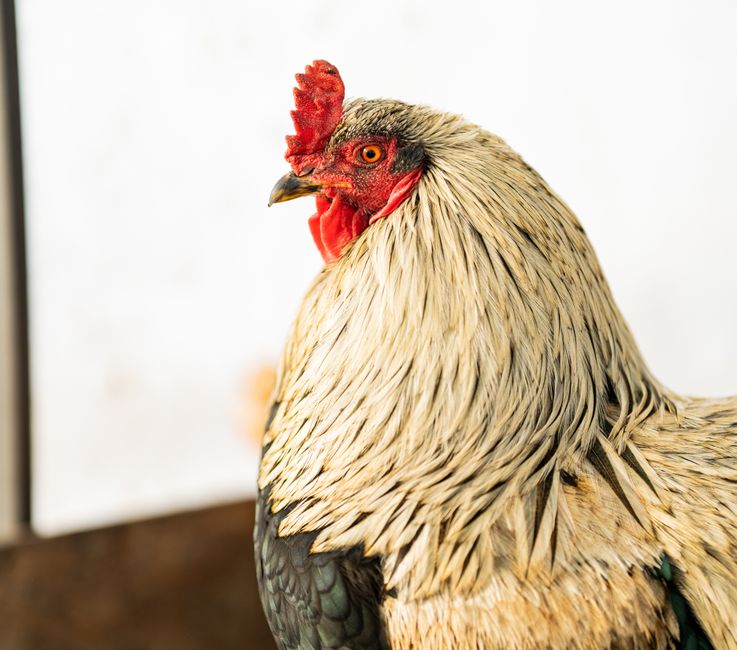
Scenario: My Barred Rock hen “Bucket” developed Grade 2 bumblefoot after the run got wet and muddy over a three-week rainy stretch in spring. Action: Ten days of daily Epsom salt soaks, Vetericyn application, fresh pine shavings replacing muddy ground. Result: Full resolution with no surgical intervention, back to normal gait by day 12.
When the Leg Looks Normal But She Won’t Walk Right
This is the category that trips people up the most, including me for years.
Vitamin B2 (riboflavin) deficiency causes something called “curled toe paralysis,” where the toes curl inward and the bird walks on its hocks. It’s more common in chicks raised on unfortified feed, or in adult hens on restricted or poor-quality diets. The good news is that it responds rapidly to supplementation, riboflavin drops at 6mg per bird per day can show visible improvement in 72 hours. The research on recovery timelines is reasonably consistent: birds treated within the first two weeks of symptom onset typically recover fully; those treated later may have permanent damage.
Articular gout is something I’d estimate gets misdiagnosed as bumblefoot in at least 20-30% of older backyard hens, based on conversations in keeper communities. The swollen joints look infected but the tissue is firm and whitish, and if you’ve ever opened one (I haven’t, but an avian vet showed me photos), it’s chalky uric acid deposits. It’s associated with high-protein diets, kidney issues, and some medications, particularly prolonged Amprolium use. Management focuses on diet, hydration, and pain relief, not antibiotics.
Scenario: A reader named Patricia emailed me last October about her 4-year-old Rhode Island Red who’d been limping for six weeks with no visible wound. Two vets had treated for bumblefoot without improvement. Third vet diagnosed articular gout. Action: Switched from 20% protein layer pellets to 16% Purina Layena, increased fresh water access, added Meloxicam (prescription) short-term. Result: Significant improvement in mobility within three weeks, though not complete resolution.
Roost Height and Hardware Injuries: The Preventable Ones
A lot of limping cases in backyard flocks come from completely preventable injuries. Roosts that are too high for heavier breeds are a consistent problem. Orpingtons, Brahmas, and Cochins should not be roosting at 36 inches. I keep my big girls at 18-24 inches max, with a step-up perch at 10 inches for easier dismount. The landing impact on a 10-pound Buff Orpington coming off a 3-foot roost, day after day, does cumulative damage to the hock joints that shows up as chronic low-grade limping by age 2 or 3.
Hardware injuries from rough wire or exposed staples are another one. Check your run floor and walls annually. I run my hand slowly along the interior fencing every spring, you’ll feel snags and sharp points that birds can catch a toe on.
Scenario: My Black Australorp flock went through a phase where I was seeing a new limping bird every few weeks. Couldn’t figure it out. Turned out a section of hardware cloth had pulled away from the frame at ground level, and the birds were catching their toes in the gap. Action: Resecured the wire and added a wood baseboard along the bottom 6 inches of interior run walls. Result: Zero new limping injuries over the following eight months.
Sources
- Merck Veterinary Manual, Poultry, Lameness and Leg Disorders: Comprehensive clinical reference on causes of limping in poultry including Marek’s, gout, and bacterial infections.
- UC Davis School of Veterinary Medicine, Poultry Health Program: Research and extension publications on Marek’s disease vaccination efficacy and Mycoplasma synoviae.
- The Chicken Health Handbook by Gail Damerow (Storey Publishing): Still the single best practical reference for backyard flock health, I keep a copy in my coop. (Disclosure: affiliate link, the site may earn a commission.)
- Poultry DVM, Bumblefoot Grading Scale: Practical clinical grading guide for bumblefoot severity and treatment protocols.
- Avian Diseases journal, riboflavin deficiency in poultry: Peer-reviewed research on B-vitamin deficiency presentations and recovery outcomes in laying hens.
Photo: Bruna Fossile via Pexels