 Dr. Tom Henderson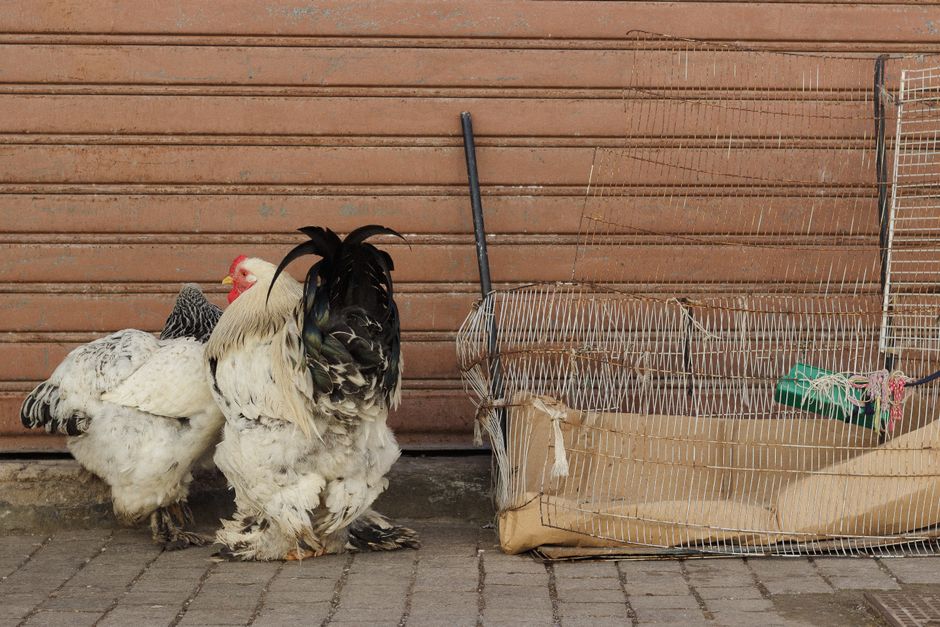
Something shifted in city halls this spring. Not a slow policy drift, but a visible scramble driven by one thing: egg prices. Stuart, Florida commissioners advanced a backyard chicken proposal on June 10, 2026. Edgewater, Florida passed its first reading unanimously on June 1. Westminster, Colorado votes on June 22 to expand flock limits significantly. Kentucky’s HB 276 cleared the House in February to stop cities from banning small backyard flocks outright. These aren’t scattered incidents. They’re a cluster, and they’re happening because HPAI-driven egg price volatility finally made backyard hens a kitchen-table political issue instead of just a hobby-farmer ask.
If you’ve been waiting for your city to change its rules, this is the moment to pay attention.
What These Ordinances Actually Say
| City/Jurisdiction | Ordinance Status | Flock Cap | Key Framing | Vote Date |
|---|---|---|---|---|
| Edgewater, FL | First reading passed unanimously | Not specified | Hens as household pets for personal egg harvesting | June 1, 2026 |
| Stuart, FL | Advanced to second reading | 4 hens | Starter flock; ~2 dozen eggs/week | June 22, 2026 |
| Westminster, CO | Up for vote | Up to 30 hens (2+ acres) | Scale by lot size; serious laying operation | June 22, 2026 |
| Kentucky (HB 276) | Cleared House | 6 hens max | State-level ban on municipal bans | Awaiting Senate vote |
Edgewater’s new ordinance frames hens explicitly as household pets for personal egg harvesting. Roosters banned. Commercial sale banned. That framing, pets rather than livestock, is a deliberate legal move that makes the whole thing easier to pass in suburban contexts. It sidesteps zoning codes written around farm animals and puts a hen legally closer to a dog than a cow.
Stuart is more cautious: up to four hens per property, with a second reading scheduled June 22. Four hens is a starter flock. Four good layers in peak production might give you two dozen eggs a week. That’s meaningful. It won’t replace a grocery run.
Westminster’s proposal is the most interesting of the three. Their current cap is 12 hens. The new ordinance scales by lot size and would allow up to 30 hens on parcels of two acres or more. Thirty hens is a serious laying operation, enough to feed a family, give away to neighbors, and still have surplus. Westminster Councilor Obi Ezeadi put it plainly: “Many people are suffering,” citing fresh eggs as direct relief from high grocery costs. That’s not the language of a backyard-hobby ordinance. That’s food policy.
Kentucky’s HB 276 takes a different approach entirely. Rather than a single city writing its own rules, the bill prohibits any Kentucky municipality from banning six or fewer hens on residential property for personal use. If it clears the Senate, city-by-city fights become irrelevant across the whole state. That’s a significant structural change for anyone in Kentucky who’s been told no by local zoning.
Why Egg Prices Are Driving Municipal Politics
Backyard chicken ordinances have been quietly expanding for years. What’s different in 2026 is explicit and economic, not just lifestyle-driven.
HPAI outbreaks have hammered commercial laying flocks repeatedly, and the price volatility hit consumers hard enough that elected officials started hearing about it constantly. When a Westminster city councilor cites food affordability by name in a chicken ordinance discussion, that’s the grocery store showing up in local government. The connection isn’t subtle anymore.
For the reader trying to start a flock: this policy window is real and it’s moving fast. Votes scheduled for June 22 in both Stuart and Westminster means these rules could be live before July. If you’re in a city that’s been resistant, now is the time to show up to a council meeting, find out what’s on the agenda, or check your current municipal code. Most people find out these things passed weeks after the vote.
The Biosecurity Gap Nobody Wants to Talk About
Here’s what should be attached to every one of these ordinances but isn’t: a CDC survey published in May 2026 found that roughly one-third of backyard flock owners don’t know the signs of avian flu in birds or people. One in three.
As cities actively recruit new chicken keepers by loosening restrictions, that gap gets wider before it gets smaller. HPAI H5N1 is still circulating. The same outbreak pressure that’s driving egg prices is the reason new flock owners need to know what sudden death, neurological symptoms, and respiratory distress in their birds actually look like, and what to do about it. The CIDRAP survey coverage from May 16, 2026 is worth reading before you order your first chicks, not after something goes wrong.
Wild birds are the primary transmission vector. If your run isn’t covered and your feeders attract sparrows and starlings, you’ve got a problem that no ordinance can fix. New keepers who enter the hobby because eggs got expensive are not automatically thinking about this. The cities writing these ordinances aren’t requiring biosecurity training. That’s on you.
What to Actually Do If Your City Is on the Edge
Get specific about your current code before you assume anything. “Agricultural animals” and “livestock” in zoning language often catches hens even when no one intended to ban them. Some people have kept illegal flocks for years without incident. Others get a complaint-driven visit the first month. Knowing exactly what your code says is different from assuming.
When cities do pass ordinances, setback requirements, distance from property lines and structures, are where most backyard keepers run into trouble. A four-hen limit is fine until you find out the coop needs to be 25 feet from any structure and your yard is 40 feet deep. Read the full text, not the headline.
Flock size caps in new ordinances tend to be conservative. Stuart’s four-hen limit is a political compromise, not a best-practices recommendation. If your city passes a similar cap and you want more birds eventually, show up and be a good-neighbor data point for two years. Ordinances get revised. The keepers who do it well make the case for expansion.
The current policy movement is real, it’s economically motivated, and it’s happening faster than the usual pace of municipal land-use change. Four cities in June alone. Whether that momentum reaches your zip code depends partly on whether you’re paying attention and partly on whether you make the case to someone who votes.
Sources
- Stuart commissioners advance backyard chicken proposal (June 10, 2026)
- Edgewater moves closer to regulating backyard chickens (June 2, 2026)
- Westminster rule could allow more backyard chickens (June 9, 2026)
- Kentucky Backyard Chicken Laws 2026 (March 2026)
- Survey: a third of US backyard flock owners don’t know signs of avian flu (May 16, 2026)
Photo: Hassan Bouamoud via Pexels