 Janet Wilson
Most new chicken keepers walk into the feed store, grab whatever bag has a chicken on the label, and call it done. I did the same thing my first year. Then I watched my Rhode Island Reds go through a rough molt, my egg production crater in November, and my rooster develop a limp I later traced back to a calcium-phosphorus imbalance. Twelve years and 200-plus birds later, I can tell you that what you put in that feeder matters far more than most people realize. Chickens aren’t complicated, but they’re not as forgiving as the “just toss them scratch” advice would have you believe.
The Foundation: Commercial Layer Feed and Why It’s Non-Negotiable
Start here. A quality commercial layer feed should make up 85 to 90 percent of what your birds eat. Not because I’m beholden to the feed industry, but because a good layer feed hits very specific nutritional targets that are genuinely hard to replicate any other way.
A standard layer feed contains 16 to 18 percent protein, which supports consistent egg production in most breeds. It also delivers calcium at around 3.5 to 4 percent, which is what your hens need to produce eggs with strong shells day after day. Without adequate calcium, a hen pulls it directly from her own bones. Do that long enough and you’ve got a bird with serious skeletal problems.
Three main forms exist: crumble, pellet, and mash. Pellets are my go-to. They produce less waste, are harder for birds to fling out of the feeder, and hold up better in a covered feeder like the RentACoop Automatic Chicken Feeder (affiliate link). Mash gets wet and disgusting fast. Crumble works fine for younger birds or smaller bantam breeds but tends to crumble into powder at the bottom of the bag, which birds waste enthusiastically.
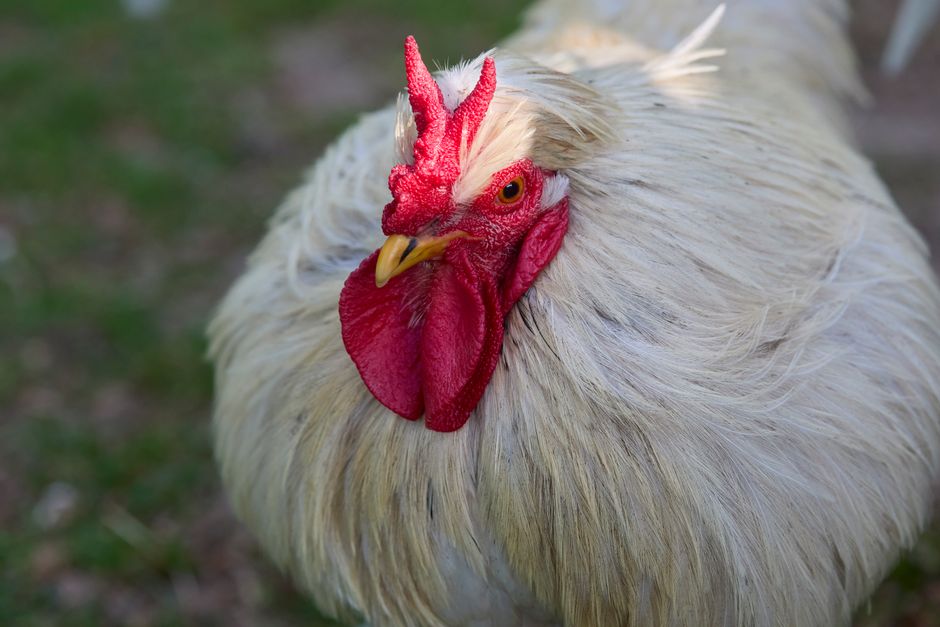
One thing people miss: layer feed is specifically for laying hens. Don’t feed it to chicks under 18 weeks. The calcium levels are too high for developing kidneys. And don’t feed it to roosters long-term if you can avoid it. Same reason. More on that in a minute.
Chicks and Pullets: Getting the First 18 Weeks Right
| Feed Type | Protein % | Primary Use | Age/Birds |
|---|---|---|---|
| Chick Starter | 20-24% | Growth & development | Chicks (0-8 weeks) |
| Grower Feed | ~18% | Transition to laying | Pullets (8-18 weeks) |
| Layer Feed | 16-18% | Egg production & maintenance | Laying hens (18+ weeks) |
Baby chicks need starter feed, and this is where the protein conversation gets serious. Chick starter runs 20 to 24 percent protein because those little bodies are building muscle, bone, and organ tissue at a rate they’ll never match again. Skimp on protein in the brooder and you’ll see feather picking, slow development, and birds that never quite reach their genetic potential.
You’ll see both medicated and unmedicated starter on the shelf. Medicated starter contains amprolium, which helps prevent coccidiosis, an intestinal parasite that kills a lot of chicks, especially in warm, damp conditions. If your chicks came from a hatchery and were vaccinated for Marek’s disease but not cocci, medicated starter is worth using. If you hatched your own eggs and your birds weren’t vaccinated, some vets recommend unmedicated starter paired with a clean, dry brooder. Honestly, for most backyard keepers buying chicks in spring, medicated starter is fine and probably prevents a lot of heartbreak.
Around 8 to 10 weeks, transition to a grower feed, which steps the protein back to around 18 percent. Hold here until your pullets reach laying age, roughly 18 to 20 weeks depending on the breed. Then switch to layer feed. Don’t rush it. I’ve seen people switch their pullets to layer too early thinking it would speed up laying. It doesn’t. It just stresses their kidneys.
Treats, Scraps, and What You Can Feed From the Kitchen
10 Chicken Coop Mistakes you DON'T want to Make ! · Carolina Coops® on YouTube
Here’s where chicken keeping gets fun, and where people accidentally cause problems. Chickens will eat almost anything you put in front of them. That doesn’t mean everything is a good idea.
Safe and genuinely beneficial treats include:
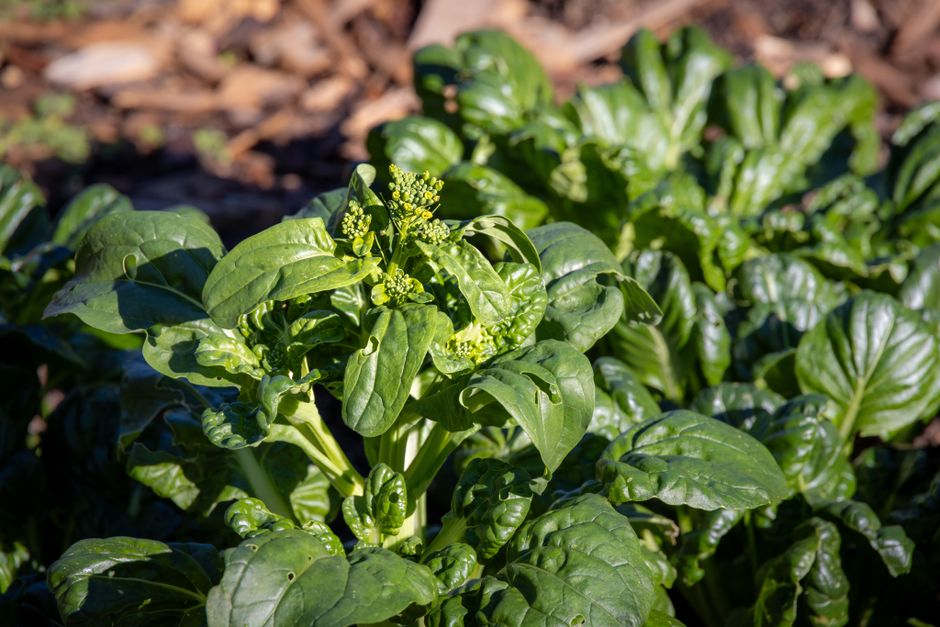
- Leafy greens: Kale, spinach, Swiss chard, lettuce. Chickens love these and they provide vitamins A and K.
- Cooked eggs: Yes, feed them eggs. Scrambled eggs are one of the highest-quality protein sources you can give during molt or stress recovery.
- Mealworms: Dried mealworms are about 53 percent protein. A small handful per bird goes a long way. Don’t overdo it; too much protein causes loose droppings and, in extreme cases, kidney damage.
- Plain cooked rice, oatmeal, or pasta: Fine in small amounts. Low nutrition, but not harmful.
- Most vegetables and fruit: Squash, cucumber, watermelon, berries. Watermelon rinds in summer are something my flock absolutely loses its mind over.
Things to avoid:
- Avocado: Persin in the skin and pit is toxic to chickens.
- Raw dried beans: Contain hemagglutinin, which is genuinely dangerous.
- Onions and garlic in large amounts: Small amounts are fine, but a lot of alliums can cause Heinz body anemia.
- Chocolate or anything with caffeine: No.
- Anything moldy: I know it seems obvious, but some people think chickens have iron guts. They don’t.
The 10 percent rule is real. Treats and scraps should not exceed 10 percent of your birds’ total daily intake. Every bite of treat is a bite they’re not taking of balanced feed. That math catches up with you over time, especially in egg production and feather quality.
Grit, Oyster Shell, and the Supplements Worth Using
Two things every chicken keeper needs to have on hand, and many don’t: grit and oyster shell.
Chickens don’t have teeth. They grind their food in their gizzard, and they need small stones or grit to do that. If your birds free range, they’ll pick up grit naturally. If they’re in a run with a dirt floor, they probably find enough. If they’re on a solid floor or in a confined space, you need to supply it. Insoluble granite grit, sold in small, medium, and large sizes for different ages, is what you want. Manna Pro Poultry Grit (affiliate link) is what I’ve used for years. Just keep a small container in the coop and let them free-feed it.
Oyster shell is a calcium supplement, and it’s separate from grit. Layer feed does contain calcium, but high-producing breeds like ISA Browns or Leghorns often need more, especially in peak laying season. I keep a small hanging feeder cup (affiliate link) of oyster shell in every coop and let hens take what they need. They’re smarter about this than you’d think. A hen who needs more calcium will eat it; one who doesn’t will largely ignore it.
For roosters and non-laying birds, a separate feeder of all-flock feed (around 18 to 20 percent protein) with oyster shell on the side lets everyone eat together without the hens getting shortchanged on calcium or the roosters getting too much.
Probiotics and electrolytes are worth having in your supply cabinet for times of stress: shipping, heat waves, illness recovery, or a particularly brutal molt. I use Rooster Booster Vitamins & Electrolytes (affiliate link) dissolved in water a few days per week during summer. It’s not something birds need year-round, but it makes a real difference during challenging periods.
Seasonal Feeding Adjustments That Actually Matter
Chickens’ nutritional needs shift with the seasons, and most guides gloss right over this.
In winter, laying hens need more energy to stay warm. You can bump this by offering a small amount of cracked corn or black oil sunflower seeds in the late afternoon. These are higher in fat and carbohydrates, and the digestive process generates heat overnight, which genuinely helps birds in cold climates. Don’t go heavy on it; a small handful per bird is plenty. Think of it as a warm blanket, not a meal.
In summer, feed consumption often drops because birds are hot and not inclined to eat as much. Their protein needs stay the same, but intake goes down. This is when fermented feed can help. Fermenting your layer pellets in water for 48 to 72 hours increases digestibility, makes nutrients more bioavailable, and the slightly sour smell actually encourages eating in heat. I ferment about 30 percent of my flock’s feed from June through August and see noticeably better condition through the hot months.
During molt, which typically happens in fall and can last 8 to 16 weeks, bump your protein. Feathers are about 85 percent protein. A molting hen is not laying, and she’s putting everything into regrowing her coat. Switch to a 20 percent protein flock raiser or grower feed temporarily, add a few tablespoons of dried mealworms daily, and ease off treats that dilute protein intake. Birds come out of molt faster and in better condition when you support them this way.
Feeding Schedule and Quantities: A Practical Breakdown
Sources
- RentACoop Automatic Chicken Feeder
- Manna Pro Poultry Grit
- hanging feeder cup
- Rooster Booster Vitamins & Electrolytes
- poultry waterer
A lot of new keepers ask how much to feed. Here’s what actually works:
| Bird Type | Daily Feed Intake | Notes |
|---|---|---|
| Adult laying hen | 0.25 lbs (about 4 oz) | More in cold weather |
| Growing pullet (8-18 weeks) | 0.15 to 0.20 lbs | Increase gradually |
| Day-old to 8-week chick | 0.05 to 0.10 lbs | Free-feed is fine at this age |
| Adult rooster | 0.25 to 0.30 lbs | Higher if free-ranging |
| Bantam hen | 0.10 to 0.15 lbs | Half of standard hen roughly |
For most backyard flocks, free-choice feeding works fine. Fill the feeder, keep it clean and dry, and let birds self-regulate. The one exception is if you have obese birds or breeds prone to over-eating. Some production Cochins and very docile breeds can get chunky fast. If your hens are waddling and laying soft-shelled eggs, check the feed but also check whether they’re getting too much scratch or corn.
Fresh water is critical. A hen who can’t access clean water will reduce feed intake within hours. A good poultry waterer (affiliate link) that stays clean and doesn’t tip over is one of the best investments you can make in the coop.
Feeding chickens well doesn’t require a nutrition degree or an expensive setup. It mostly requires paying attention: to your feed quality, to what your birds actually look like and how they’re laying, and to the season. A flock that’s eating right shows it in their feathers, their activity level, and the eggs they produce. Get the basics right and they’ll reward you for it in ways that make the whole endeavor genuinely worth doing.
Photo: Erwin Bosman via Pexels