 Carol Thompson
If you’re keeping backyard chickens right now, you might be wondering whether H5N1 is something you actually need to worry about or just another thing the news is blowing out of proportion. I get it. Every few years there’s a new headline about bird flu, and most of the time your flock is fine. But a CDC survey published in the Morbidity and Mortality Weekly Report in May 2026 stopped me cold, because the data shows something specific and uncomfortable: the majority of backyard flock owners don’t know what they’re looking for, at a moment when not knowing has already cost people their lives.
The survey pulled responses from 638 backyard flock owners across 48 states, conducted between July and December 2025. Only 32% of respondents could correctly identify all the signs of H5N1 infection in birds. Thirteen percent said they didn’t know the signs at all. Meanwhile, three of the 71 human H5N1 cases reported in the U.S. since March 2024 have been linked to backyard flocks, and two of those cases were fatal. This isn’t hypothetical risk. It’s already happened, and the people it happened to were probably a lot like you.
What H5N1 Actually Looks Like in Your Flock
Here’s what I tell people who ask about bird flu symptoms: the list sounds scarier than it is to recognize, but you have to know what you’re looking for before you can see it.
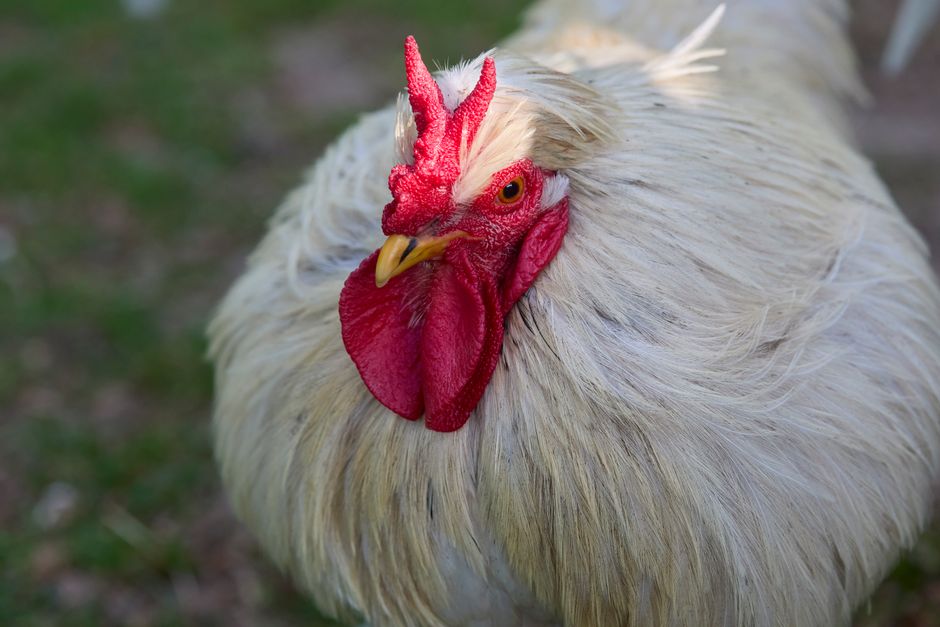
Infected birds typically show sudden, severe neurological signs: twisted necks, loss of coordination, trembling, or what keepers sometimes describe as a bird that “just doesn’t know where it is.” You might see a dramatic, rapid drop in egg production, sometimes overnight. Respiratory distress, swollen heads, purple or darkened combs and wattles, and watery diarrhea are also common. The mortality can be staggering and fast. H5N1 can wipe out an unvaccinated flock in 48 hours.
The problem is that some of these symptoms overlap with other diseases: Marek’s, Newcastle disease, even severe stress from a predator scare. That overlap is exactly why the CDC survey findings are so concerning. If you don’t know what distinguishes H5N1 from a respiratory infection or a vitamin E deficiency, you might wait. And waiting is the one thing you can’t afford to do.
If you see multiple birds going down with neurological signs and high mortality in a short window, stop handling the birds without protection and contact your state veterinarian’s office immediately. That’s not overreacting. That’s the protocol.
The Wild Bird Problem Nobody Wants to Deal With
| Finding | Percentage | Implication |
|---|---|---|
| Backyard flock owners who could correctly identify all H5N1 signs | 32% | Majority lack critical identification skills |
| Owners unaware of H5N1 signs | 13% | Knowledge gap extends to complete lack of awareness |
| Flocks with wild bird access to food or water | 54% | Over half exposed to primary H5N1 reservoir |
| Flock owners with no avian veterinarian | 71% | Diagnostic and advisory resources severely limited |
| Households with at-risk members (age, pregnancy, immunocompromised) | 58% | Majority face elevated personal health risk |
The survey found that 54% of backyard flock owners reported that wild birds could access their flock’s food or water. That number should be a wake-up call, because wild waterfowl, particularly migratory ducks and geese, are the primary reservoir for H5N1. As CIDRAP reported in May 2026, this knowledge gap around exposure risk is one of the most actionable findings in the entire study.
I know the reality: most backyard setups aren’t designed with biosecurity in mind. You’ve got an open-air run, a feeder hanging outside, maybe a water station that robins and sparrows treat like a public bath. Fixing this doesn’t require rebuilding everything, but it does require being honest about your setup.
Move feeders and waterers inside a covered area or under hardware cloth. Feed only what your birds will finish in a day so you’re not leaving anything out overnight to attract wild birds. If you free-range, understand that right now, during an outbreak of this scale, free-ranging carries real risk. Over 15 million birds were confirmed infected across 86 flocks, including 38 backyard flocks, in a single 30-day window in early 2026. That’s not a commercial industry problem anymore.
The Veterinarian Gap and Why It Matters More Than You’d Think
Seventy-one percent of the surveyed flock owners said they had no veterinarian to consult about their birds. I’ve heard every version of this: there’s no avian vet nearby, the one who exists doesn’t see chickens, or the cost feels disproportionate to the value of the birds. All of that is understandable. It’s also a serious gap when something goes wrong fast.
You don’t need a specialist on retainer. What you need is a relationship established before a crisis. Many large animal vets and some general practice vets will consult on poultry, especially for flock health questions. Your state’s land-grant university extension program almost always has a poultry specialist you can reach by phone or email. The Ohio State Poultry Team, for example, hosted a public webinar in May 2026 specifically walking through the CDC survey findings and practical next steps for flock owners. These resources exist. Using them before you have sick birds is the whole point.
The other thing worth knowing: if you suspect H5N1, you don’t need a private vet to get diagnostic help. Your state veterinarian can direct you to free or low-cost testing through USDA’s National Poultry Improvement Plan. Cost shouldn’t be the reason you wait.
The Household Risk You May Be Underestimating
The CDC survey found that 58% of respondents said at least one person in their household was at increased risk for flu complications due to age, pregnancy, or underlying health conditions. That’s a majority of backyard flock households. Children, elderly parents, anyone on immunosuppressants, pregnant family members, people with asthma or heart disease. These are not rare edge cases. These are the people standing next to you at the coop.
H5N1 has a documented history of severe outcomes in people with risk factors, and the two fatal cases among backyard flock owners are a reminder that this virus doesn’t stay in the barn. Basic protective habits matter: wash your hands before and after handling birds or eggs, don’t bring chickens inside the house, change your shoes before coming in, and don’t let high-risk household members collect eggs or handle sick birds without gloves and a mask. That last one sounds extreme until it doesn’t.
As MyVetCandy noted in their coverage of the MMWR findings, the survey data points to a community that cares deeply about their birds but hasn’t yet connected that care to the kind of systematic awareness that keeps both flocks and families safe.
The backyard flock community has always figured things out by sharing hard-won knowledge. The CDC data doesn’t mean you’ve been doing everything wrong. It means there’s a specific gap, right now, at exactly the wrong time, and you can close it. Learn the symptoms, fix the wild bird access, find a vet contact before you need one urgently, and have a conversation with your household about who handles the birds and how. That’s not panic. That’s just keeping chickens in 2026.
Sources
- The CDC Surveyed Backyard Flock Owners About H5N1. The Knowledge Gaps Are a Problem, MyVetCandy (May 15, 2026)
- Survey: A Third of US Backyard Flock Owners Don’t Know Signs, Symptoms of Avian Flu, CIDRAP (May 16, 2026)
- CDC MMWR: Knowledge, Attitudes, and Practices Regarding Avian Influenza Among Owners of Backyard Flocks (May 14, 2026)
- Bird Flu Detected in Iowa Backyard Chicken Flocks as Migration Raises Risk, Sentient Media (March 23, 2026)
- CDC Backyard Poultry Survey Results Webinar, OSU Poultry Team (May 14, 2026)
Photo: Lilly Grace via Pexels