 Dr. Tom Henderson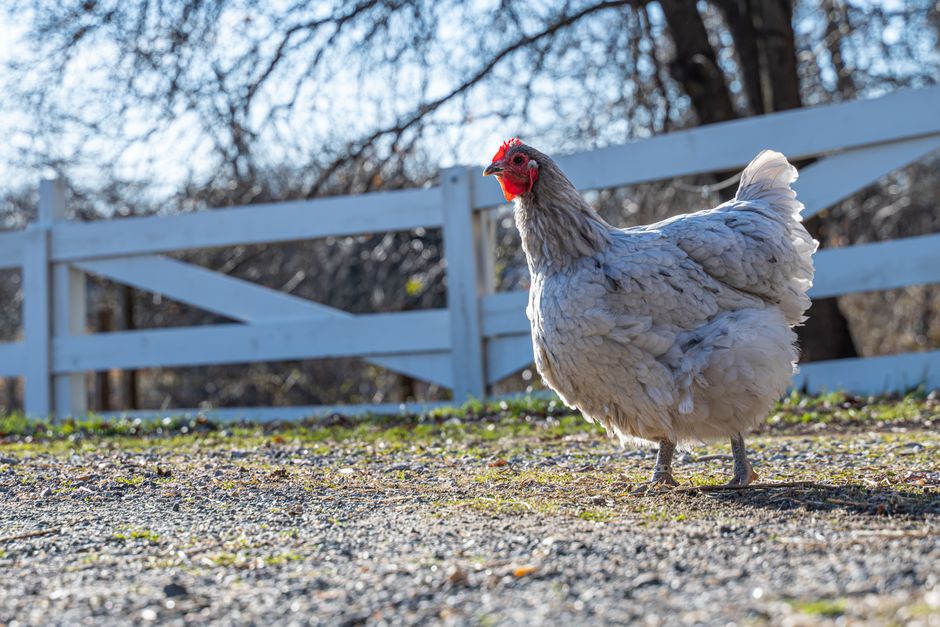
Most people pick their first flock based on looks, and there’s nothing wrong with that. But here’s something I wish someone had told me before I ordered my first batch of chicks: Sussex chickens are one of the few breeds where the looks and the performance actually match up.
I’ll be honest, I came to Sussex hens late. Spent years obsessing over Orpingtons and Plymouth Rocks before a neighbor let me spend an afternoon with her small Speckled Sussex flock. I left convinced. Within six months I had eight of my own, and they’ve been a fixture in my backyard ever since.
So let me give you the real picture, because most of what you’ll read about Sussex is either too vague to be useful or suspiciously cheerful.
What Kind of Bird Are We Talking About?
| Variety | Color Pattern | Availability in U.S. | Notes |
|---|---|---|---|
| Speckled Sussex | Red-brown with black speckles | Widely available | Most common, improves with age |
| Light Sussex | White with black hackle and tail | Moderately available | Second most common |
| Red Sussex | Red | Rare | Requires dedicated breeders |
| Coronation Sussex | Cream/buff | Rare | Requires dedicated breeders |
| Other varieties | Various | Very rare | Typically requires U.K. imports |
Sussex is an old English breed, documented back to the early 1900s, though the type was being kept long before anyone formalized a standard. The Speckled Sussex is by far the most common variety you’ll find in the U.S. today, followed by the Light Sussex (white with black hackle and tail markings). There’s also the Red Sussex, Coronation Sussex, and a handful of others, but good luck finding quality breeding stock for those outside of dedicated breeders or imports from the U.K.
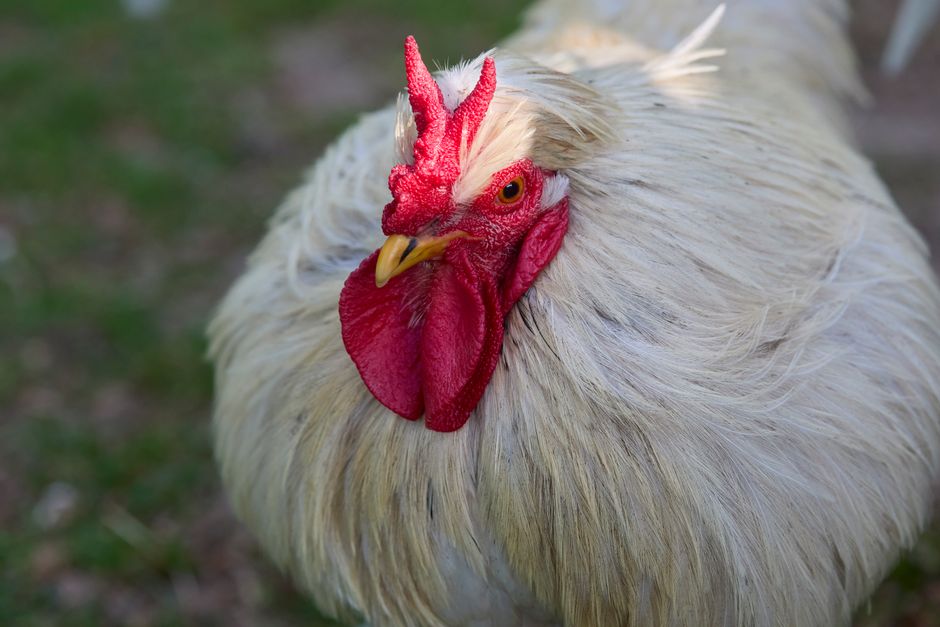
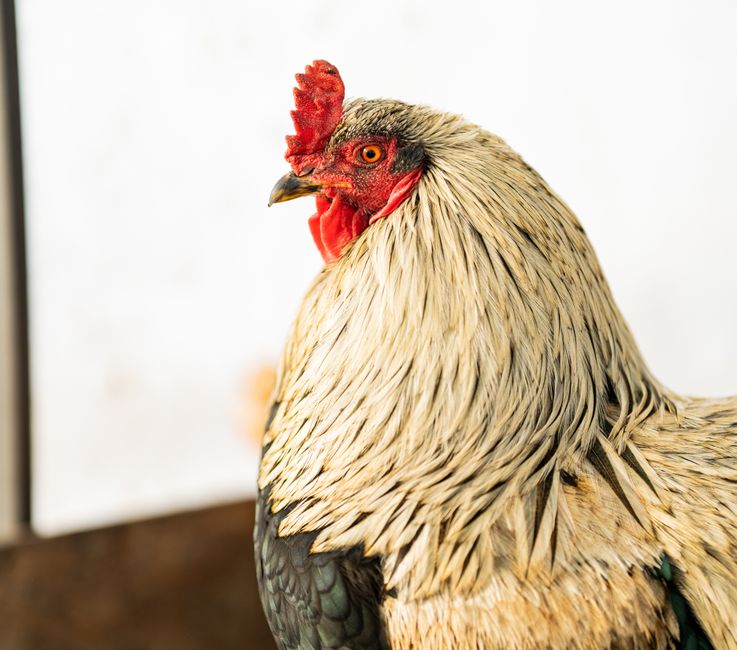
The breed standard calls for a large, broad-backed bird with a single comb, red earlobes, and a calm, upright bearing. In practice, what you notice first is just how personable they are. My Speckleds will follow me around the yard like dogs. Not in an anxious, food-desperate way, but genuinely curious. They’ll watch what you’re doing. It’s a little uncanny.
Size-wise, you’re looking at a heavy breed: hens typically run 6 to 7 pounds, roosters 8 to 9. That dual-purpose classification (eggs plus meat) is accurate, though most backyard keepers today are using them strictly for eggs.
Egg Production: The Numbers You Actually Need
Here’s where I want to push back on the hatchery marketing a little.
Most hatchery websites will put Sussex egg production at 250 to 300 eggs per year. That’s technically possible, but I’d call it optimistic for the average backyard flock. In my experience, a well-fed, well-managed Sussex hen from hatchery stock (not exhibition lines) will land closer to 200 to 240 eggs per year. Still excellent. Still better than many “heritage” breeds you’ll pay more for.
What surprised me was how well they hold production through winter. My eight Speckleds last winter (central Tennessee, temperatures dipping into the low 20s Fahrenheit for two weeks in January) barely skipped a beat. I was pulling 5 to 6 eggs per day through December and most of January without supplemental lighting. That’s not universal experience, and the research on cold-tolerance and production consistency is honestly mixed, but I’ve heard similar reports from other Sussex keepers in the upper Midwest.
The eggs themselves are large, cream to light brown, with good shell quality. Nothing exotic, but consistent.
Temperament and Flock Dynamics
3 BEST CHICKEN BREEDS | Backyard & Family Flocks | Favorite Poultry Varieties For Beginners | Chicks · Oak Abode on YouTube
This is the part most articles gloss over, and it’s where Sussex really earns its reputation.
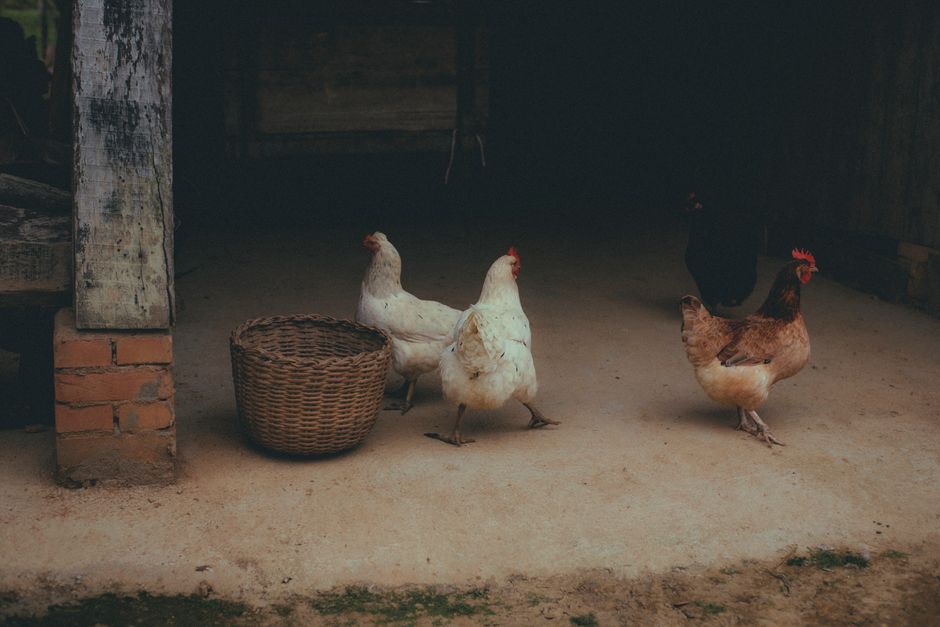
For mixed flocks, they’re about as easygoing as a heavy breed gets. They’re assertive enough to hold their own against aggressive breeds (I’ve kept them with Easter Eggers and Australorps without drama), but they’re not bullies. I had a reader in Nashville email me earlier this year who had tried three different breeds in her backyard flock before adding a pair of Light Sussex. Her words: “They just calmed everything down.” I’ve seen that same effect.
The one caveat: they can be lower in the pecking order if you mix them with something truly aggressive, like a Cornish or a particularly nasty Leghorn. They’re calm, not doormats, but they won’t fight hard. If you’re dealing with a bully situation, that’s a separate problem to solve, not something a Sussex will fix by itself.
Roosters. I should say something here. Sussex roosters have a better-than-average temperament reputation, and in my experience that holds up, but “better than average” still means you can get a bad one. Don’t let the breed reputation make you complacent. Give any rooster until 6 months old before you trust him around kids.
Feeding and Care: Where People Spend Too Much (and Where They Skimp)
Sussex are not finicky eaters, but they are prone to obesity if you let them. This trips up a lot of new keepers who see that big, broad body and assume they need high-protein feed. They don’t, not after the laying phase kicks in. I keep my layers on a 16% layer pellet year-round (currently using Nutrena NatureWise Layer, about $22 for a 40-lb bag at Tractor Supply as of July 2026), and I add scratch grains in winter as a warming treat, not as a feed supplement.
Free-range access makes a real difference with Sussex. They’re good foragers, better than Orpingtons in my observation. A hen that spends 4 to 6 hours a day ranging will eat noticeably less pellet feed and will show better feather condition. If you’re in a confined run situation, budget for extra greens and protein sources (mealworms, fermented feed) to keep them occupied. Boredom shows up in feather-pecking behavior with this breed more than some others.
One thing nobody warned me about: Speckled Sussex feathering gets more striking each molt. The speckles increase with age. A two-year-old Speckled Sussex is genuinely more beautiful than a pullet. Worth knowing if you’re attached to the look.
For coop setup, Sussex do fine in a standard 4 square feet per bird inside and 10 square feet in the run. Given their size, I’d lean toward the larger end. I use Simple Cozy Chicken Coop Nesting Pads in my boxes (the site may earn a commission), and they’ve held up well through three laying seasons.
Where to Buy and What to Watch Out For
Hatchery Sussex are widely available (Meyer Hatchery, Cackle Hatchery, and Murray McMurray all carry them as of 2026). Expect to pay $4 to $6 per straight-run chick, $6 to $9 for sexed pullets. Minimum orders usually start at 3 to 6 birds depending on the hatchery.
Exhibition-quality Sussex from dedicated breeders will run you significantly more, $20 to $40 per chick is not unusual, and you’ll be on waiting lists. For production layers, hatchery stock is fine. For breeding true to the standard or showing, find a breeder through the American Poultry Association directory.
Worked example: I ordered 10 Speckled Sussex pullets from Meyer Hatchery in spring, paying $7.50 each. Eight survived to laying age (one died of unknown causes at 3 weeks; one was culled at 5 months due to a leg deformity). Those eight hens averaged 218 eggs per bird in their first full laying year. At my local farmers market rate of $6 per dozen, that’s roughly $873 in egg value from an $87 chick investment, before feed costs.
That math gets less impressive when you run the real numbers on feed, bedding, and coop maintenance, but the point stands: Sussex are productive enough to justify their keep.
Predator Vulnerability: An Honest Assessment
Heavy breeds can’t fly. Sussex are no exception. If you free-range them without secure overhead protection, you will lose birds to hawks. I lost a Speckled hen to a red-tailed hawk in my second year of keeping them. My fault, not the breed’s.
They’re also slower on the ground than lighter breeds, which means aerial and ground predators both have an easier time with them. If your property has fox, raccoon, or coyote pressure, a fully hardware-cloth-enclosed run with a covered top is non-negotiable. Chicken wire keeps chickens in; hardware cloth keeps predators out. Don’t let anyone convince you otherwise.
Sources
- American Poultry Association, Standard of Perfection (current edition): The official breed standard for Light, Speckled, Red, and other Sussex varieties in the U.S.
- Lewis, C.G. (2013), The Sussex Breed Club History: Detailed documentation of Sussex breed development in England and export to North America.
- Damerow, Gail, The Chicken Health Handbook (Storey Publishing, 2nd ed.): Widely referenced for poultry disease, nutrition, and flock management, including heavy breeds.
- Nutrena NatureWise product nutrition data (current as of July 2026): Used for feed protein percentages cited above.
- The Livestock Conservancy breed profile on Sussex: Covers conservation status and population notes for heritage Sussex lines in the U.S.
Photo: Styves Exantus via Pexels