 Carol Thompson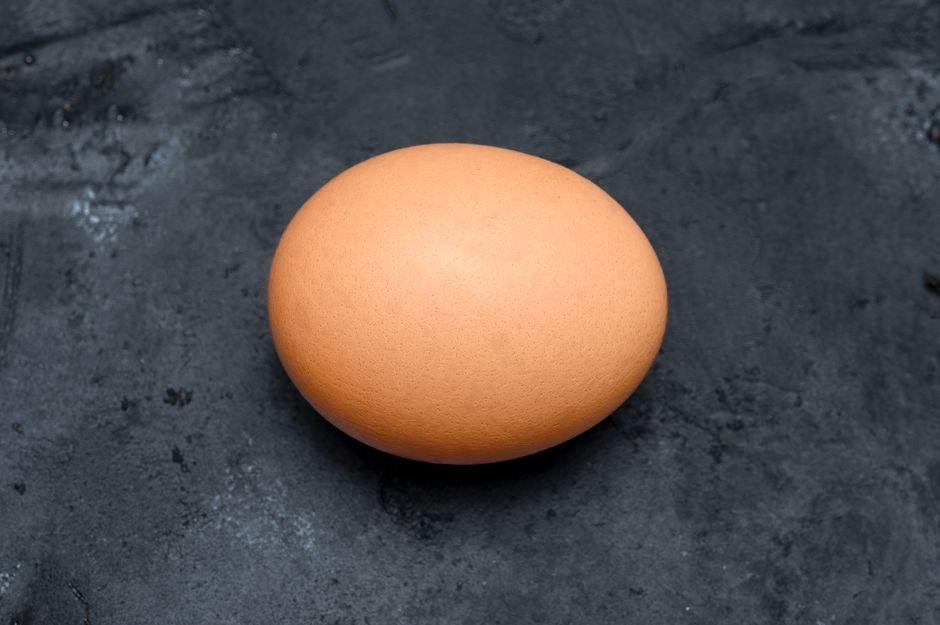
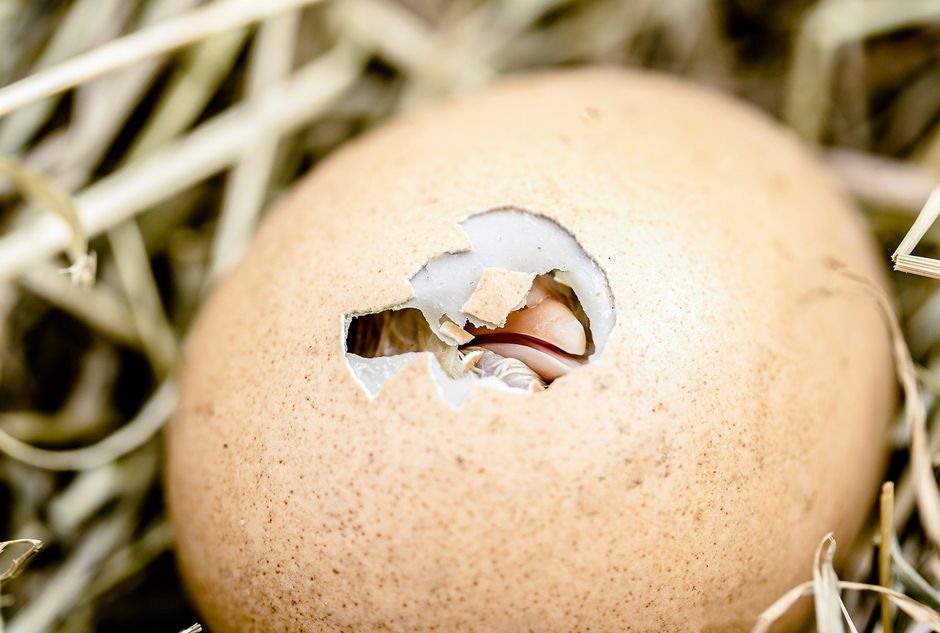
You pull an egg from the nest box and it collapses in your hand. Not cracked. Not thin-shelled. Fully soft, like a water balloon covered in membrane. The first time it happened to me, I genuinely thought something was wrong with my hen. I panicked, Googled for an hour, and came away more confused than when I started. So if you’re standing there right now with a deflated egg wondering what went wrong, you’re in exactly the right place.
Soft shell eggs happen more often than most chicken-keeping resources let on, and the causes range from completely fixable (diet) to “watch carefully for a few weeks” (age and stress) to “get your hen to a vet” (disease). The trick is figuring out which situation you’re actually in, because the answer determines everything you do next.
Here’s what I tell people right off the bat: most soft shell eggs are a calcium problem, and most calcium problems are a feeding problem. Not always. But start there.
- Calcium deficiency is the most common cause; offer oyster shell free-choice in a separate dish, not mixed into feed.
- A pullet's first few eggs are often soft or shell-less, this is normal and usually self-corrects within 2-3 weeks.
- Infectious Bronchitis and Egg Drop Syndrome both cause soft shells; if multiple hens are affected simultaneously, think disease first.
- Excess phosphorus, vitamin D deficiency, and certain medications (especially sulfa drugs) block calcium absorption even when intake looks adequate.
- One or two soft eggs per month per hen is within the range of normal; daily soft eggs are a problem that needs attention.
The Calcium Question (and Why It’s More Complicated Than You Think)
Everyone knows hens need calcium. What fewer people realize is that the shell of a single egg contains roughly 2 grams of calcium carbonate, and a laying hen needs somewhere between 4 and 5 grams of calcium per day just to shell eggs properly. Layer feed is formulated to provide around 3.5 to 4 grams, which is close but not always enough for high-production birds.
Here’s the thing I got wrong for my first two years: I thought layer feed was sufficient on its own. It usually is for average producers. But I kept Black Sex-Links, which are egg-laying machines, and during peak production in summer, a few of my girls were laying so fast that their bodies couldn’t deposit enough calcium before the egg moved through the shell gland. The fix was simple. I added a separate dish of oyster shell (I use Manna Pro Crushed Oyster Shell, currently about $14 for an 8-pound bag on Amazon) and within ten days the soft shells stopped.
The key detail that matters here: oyster shell should be offered in a separate dish, not mixed into feed. Hens self-regulate calcium intake based on their own needs, and mixing it in removes that ability. A high-production hen on a hot day might consume twice the calcium of a lower-production hen in the same flock. Let them choose.
Vitamin D is calcium’s silent partner, and most backyard keepers ignore it entirely. Without adequate D3, hens can’t absorb calcium from their gut even if you’re providing plenty. Hens that free-range get reasonable sun exposure and are usually fine. Hens in shaded runs or kept confined through long winters can become D3 deficient without you ever suspecting it. A supplement like Rooster Booster Vitamins and Electrolytes mixed into water once or twice a week during low-light months is something I started doing a few winters ago and I’m convinced it’s part of why my winter soft-shell rate dropped noticeably.
Young Pullets and the First Few Weeks of Lay
If your hen just started laying in the last month, soft shells are almost expected. The reproductive system takes time to calibrate. The shell gland (technically the uterus, which is a deeply weird thing to think about) needs several laying cycles before it gets reliable timing down. The first 2 to 4 weeks of production from a new pullet commonly include shell-less eggs, soft-shelled eggs, double yolkers, and eggs the size of marbles.
I had a batch of Buff Orpingtons come into lay last fall, and three of them laid soft or shell-less eggs for nearly three weeks before everything normalized. No interventions needed. They were eating layer feed, had oyster shell available, and were healthy. They just needed time.
The scenario where you should worry with pullets: if soft shells continue past the 6-week mark, or if the hen seems uncomfortable, stops eating, or you notice her straining. That moves from “normal startup” territory into possible reproductive issue territory.
Stress, Disruption, and the Nervous Hen
Chickens are creatures of rigid routine and they fall apart when it’s disrupted. A predator attack at night, a new flock member introduced, moving coops, extreme heat, a neighborhood dog running the fence line, any of these can throw off a hen’s laying cycle badly enough to produce soft shells for days afterward.
This is the cause that most people never connect, because the stressor happened 18 to 24 hours before the bad egg appears. The shell is deposited in the last 15 to 20 hours of egg formation. If a hen was stressed during that window, the shell may not form correctly even if her calcium levels are perfectly fine.
Example scenario: A reader named Patty from central Missouri emailed me in spring of this year. Three of her hens suddenly started laying soft eggs. No dietary changes, no new feed, oyster shell always available. Turned out her neighbor had started letting their dog roam free at night, running along the fence line. Patty installed motion-activated lights and worked out the dog situation. Soft shells stopped within a week. Total time from problem to fix: about 12 days.
Disease: When Multiple Hens Are Affected at Once
One hen with occasional soft shells? Almost certainly dietary or stress. Three hens simultaneously dropping shell-less eggs over several days? Think disease.
Infectious Bronchitis is the big one. It’s a highly contagious respiratory virus that also attacks the reproductive tract and causes classic soft, wrinkled, or shell-less eggs. If you’re seeing respiratory symptoms alongside the shell problems (rattling, sneezing, nasal discharge), IB should be high on your list. There’s no treatment, but most flocks recover on their own over several weeks. The frustrating part is that even after a hen recovers from IB, her shell quality may never fully return to normal.
Egg Drop Syndrome 1976 (EDS-76) causes sudden drops in egg production plus shell abnormalities, though it’s less common in backyard flocks in North America than in commercial operations. Newcastle Disease can also produce soft shells as part of a broader set of symptoms.
As of August 2026, avian influenza remains a real concern in many parts of the country, and any sudden widespread laying disruption alongside illness warrants a call to your state veterinarian’s office. I don’t say that to scare you, but to be honest about where we are right now.
Common Causes at a Glance
| Cause | How Many Hens Affected | Timeline | Fix |
|---|---|---|---|
| Calcium deficiency | Usually 1 (sometimes more) | Gradual onset | Add oyster shell free-choice |
| Vitamin D deficiency | Can affect whole flock | Often seasonal | Add D3 supplement, improve sun access |
| New pullet starting to lay | Just the new layer | First 2-6 weeks | Wait; normal calibration |
| Stress / disruption | 1-3 hens | 1-5 days after stressor | Remove stressor, allow recovery |
| Infectious Bronchitis | Multiple hens, sudden | Days to weeks | Supportive care; no cure |
| Old age / reproductive decline | Older hen (3+ years) | Progressive | Management only; may not improve |
| Medications (sulfa drugs) | Hens being treated | During treatment | Expected; resolves when treatment ends |
The Hen That Just Keeps Laying Soft Shells
Some hens, particularly those over three years old, develop chronic soft-shell problems because the shell gland itself is aging. High-production commercial breeds like Leghorns and ISA Browns are particularly prone to this because they were bred to lay so heavily that the reproductive system wears out faster than heritage breeds.
I’ve had two hens reach a point where the soft shells were just… their normal now. Both were ISA Browns, both were around four years old. I didn’t cull them. They were still laying (softies and all), seemed comfortable, and were otherwise healthy. But if a hen is uncomfortable, consistently unable to pass eggs properly, or showing signs of internal laying or egg peritonitis (bloated abdomen, walking like a penguin), that’s a quality-of-life conversation worth having with a vet.
Sources
- Merck Veterinary Manual: “Egg Production and Shell Quality in Poultry” – detailed overview of calcium metabolism and shell gland function
- Poultry Science journal (Cornell University): Research on calcium requirements in laying hens across production cycles
- University of Florida IFAS Extension: “Common Causes of Poor Egg Quality in Backyard Chickens” – practical diagnostic framework for small flock keepers
- Penn State Extension: “Feeding Chickens for Egg Production” – nutrient requirements including calcium, phosphorus, and vitamin D ratios
- The Chicken Health Handbook by Gail Damerow (Storey Publishing): Comprehensive reference for disease identification and reproductive health in backyard flocks
FAQ
How quickly will soft shells resolve after I add oyster shell?
Most hens show improvement within 7 to 14 days once oyster shell is available free-choice. If you’re not seeing any change after three weeks, calcium absorption may be the issue rather than intake, check your vitamin D situation.
Can a hen die from laying soft shell eggs?
Occasionally, yes. Soft eggs are more likely to break inside the hen, which can cause egg binding or yolk peritonitis, both of which are serious and sometimes fatal. A hen who seems strained, lethargic, or is walking oddly after an expected laying time needs attention quickly.
Is it safe to eat a soft shell egg?
Yes, if you collect it promptly and the membrane is intact. The lack of a hard shell doesn’t affect what’s inside. That said, they’re fragile and bacteria can penetrate the membrane more easily than a hard shell, so don’t let them sit in the nest box.
Does the breed of chicken affect soft shell egg frequency?
Yes, significantly. High-production hybrid breeds (ISA Browns, Golden Comets, Hy-Line hens) lay so many eggs that they’re more prone to calcium depletion and shell gland issues over time. Heritage breeds like Dominiques or Australorps tend to have fewer chronic shell problems, though any hen can have occasional soft eggs.
Could my layer feed be the problem even if I’m using a quality brand?
It could be contributing. Layer feeds are formulated for average production rates, not high-producers or flocks under heat stress (when hens eat less and drink more, throwing off nutrient intake). Always supplement with free-choice oyster shell regardless of which feed you’re using.
Photo: Christopher Welsch Leveroni via Pexels