 Sarah Mills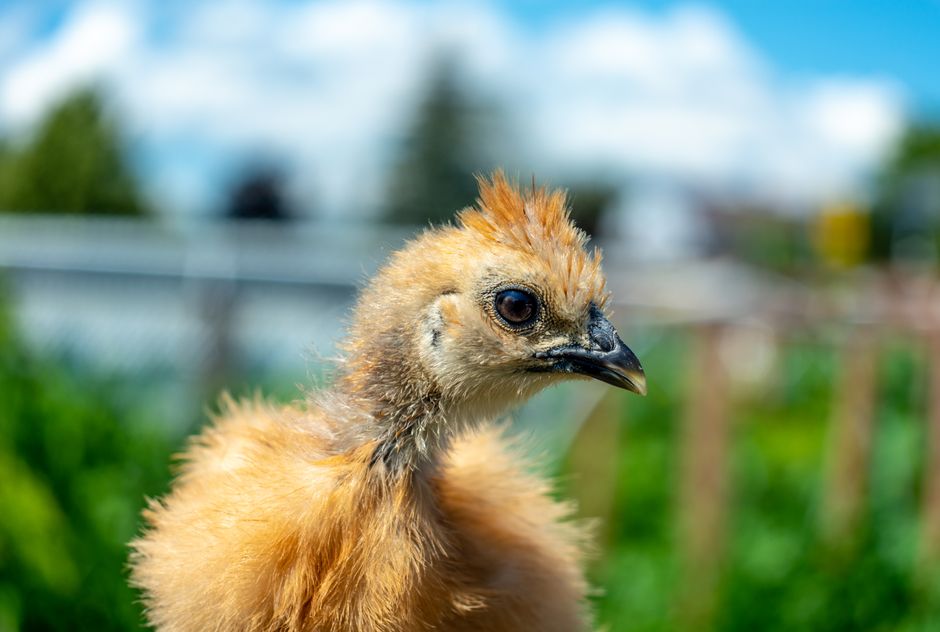
Nobody warns you that Silkies are basically the golden retrievers of the chicken world until you’ve already got three of them sleeping in a pile on your lap while you’re trying to read. Friendly, gentle, completely unbothered by children, and absolutely useless in a mixed flock where anything with a peck order instinct exists. That combination is either perfect or a disaster, depending on what you actually want from backyard chickens.
Let me give you the real picture.
What You’re Actually Getting
Silkies are small. Not bantam-tiny, but light: typically 2 to 3 pounds for a standard Silkie, under 2 for the true bantam variety. Their signature is that fiber-like plumage, which lacks the barbicels that give normal feathers their flat, interlocking structure. The result looks like fur, feels like fur, and acts like fur in rain, which is where the problems start.
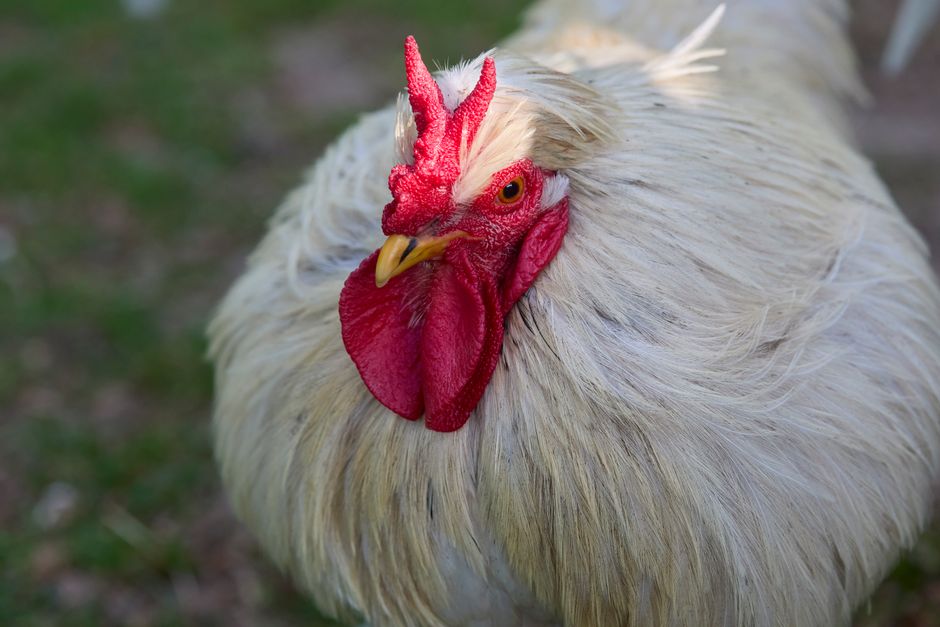
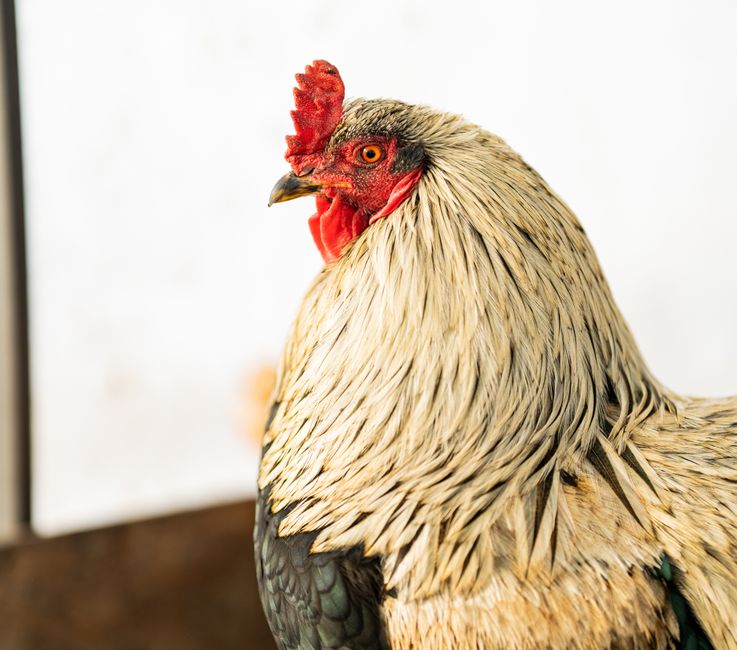
You’ll find them in white, black, blue, buff, partridge, splash, and a handful of rarer colors. The crest on their heads is dramatic enough that it blocks their vision, which is charming until a hawk arrives. They’ve also got five toes instead of four, feathered feet, dark skin and bones, turquoise earlobes, and a walnut comb that’s low and wide. Visually, they read as “definitely a chicken, but someone customized it.”
Personality-wise: they’re genuinely calm. Not just compared to, say, a Leghorn. Calm in an absolute sense. I’ve seen roosters that were genuinely pleasant. Hens that let toddlers carry them around a yard without a single squawk. That calmness is consistent enough across the breed that you can actually count on it, which you can’t say about most breeds.
Egg Production: Manage Your Expectations
| Breed | Eggs Per Year | Size | Temperament | Best For |
|---|---|---|---|---|
| Silkie | 100-120 | 2-3 lbs | Calm, docile | Brooding, families, pets |
| Black Sex-Link | 280 | 5-6 lbs | Active | Egg production |
| Rhode Island Red | 250 | 6-8 lbs | Alert | Egg production |
| Cochin | 150 | 8-10 lbs | Broody, docile | Brooding, mixed flocks |
| Brahma | 150 | 10-12 lbs | Calm, large | Cold climates, mixed flocks |
| Orpington | 200 | 8-10 lbs | Friendly, docile | Mixed flocks, eggs |
Here’s where some hatchery descriptions go soft. Silkies are not egg layers in any meaningful production sense. You’ll get roughly 100 to 120 small, cream-colored eggs per year from a good layer. A Black Sex-Link does 280. A Rhode Island Red hits 250. The gap is real. If eggs are the point, Silkies are the wrong breed.
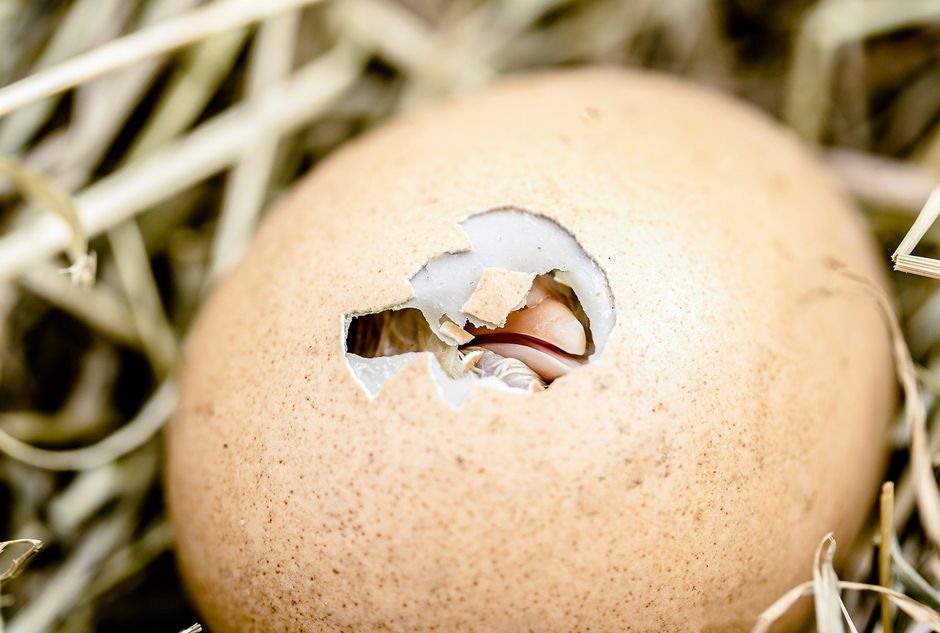
What Silkies are exceptional at is going broody. Relentlessly, enthusiastically, almost aggressively broody. This is a feature or a flaw based entirely on your goals. Want to hatch eggs, including eggs from other breeds or even ducks? A Silkie hen is one of the best surrogate mothers you can find. They’ll sit for weeks without complaint, rarely abandoning the nest, and they’re attentive mothers once chicks hatch. I’ve used Silkie hens to hatch Marans eggs when I didn’t want to run an incubator in the summer heat. Works great.
If you just want eggs, all that broodiness means your hen is sitting on an empty nest instead of laying, and she’ll do this multiple times a year. You can break a broody hen, but it takes consistency and time, and Silkies are stubborn about it.
Housing: Where Most People Get This Wrong
10 Chicken Coop Mistakes you DON'T want to Make ! · Carolina Coops® on YouTube
Silkies cannot tolerate wet conditions the way other breeds handle them. Normal feathers shed water. Silkie feathers absorb it. A soaked Silkie loses body heat fast and is a candidate for hypothermia even in temperatures that wouldn’t stress a Plymouth Rock.
Your coop needs to stay dry. Covered runs matter more with Silkies than almost any other breed. I run a 10x12 covered run attached to the main coop, and on rainy days my Silkies stay in voluntarily. Good drainage under the run helps, but the cover is non-negotiable.
Roost height is another adjustment. Silkies aren’t great fliers and their fluffy feet make gripping a round roost awkward. Keep roosts low, 12 inches off the ground at most, and wider than typical: 2x4 lumber laid flat works better than a round dowel. I’ve seen Silkies give up on roosts entirely and sleep in a pile on the coop floor, which is fine if your bedding is clean.
The feathered feet also collect mud and wet litter fast. Check them regularly. Compacted mud between the toes can cut off circulation. In wet seasons I trim the foot feathers back a bit, which is easier than it sounds and makes a real difference.
Predator Risk and Mixed Flock Problems
Silkies are at the bottom of almost every threat assessment. Their restricted vision from that head crest means they don’t spot aerial predators until it’s too late. Their docile nature means they won’t run when other chickens scatter. And their size makes them easy targets.
Hawks are the main concern in most suburban settings. I’ve lost Silkies to red-tails that ignored my larger hens entirely. A covered run solves this, but free-ranging Silkies in open areas is genuinely risky in a way that a bigger, more alert breed isn’t.
In mixed flocks, Silkies get bullied. Not sometimes. Reliably. Their fluffiness obscures their posture, making them terrible communicators in chicken body language, and other breeds will peck them down the order fast. If you want to mix Silkies with other breeds, choose equally docile companions: Cochins, Brahmas, or Orpingtons tend to coexist without too much drama. Mixing them with Easter Eggers, Australorps, or production breeds usually ends with the Silkies hiding in corners and losing weight.
Keeping Silkies in a separate, dedicated pen is the cleaner solution and the one I’d recommend if you’re serious about the breed.
Health and Grooming
Sources
- Tilly’s Nest Organic Coop Refresher
- Precision Pet Excelsior Nesting Pads
- Marius-Laurentiu Butan
- definitely a chicken, but someone customized it. Personality
The crest needs periodic trimming. Let it grow unchecked and your hen can’t see well enough to find her food and water reliably, let alone spot danger. A small pair of poultry scissors and a straight trim across the front of the crest every few months is enough. Some people find this distressing aesthetically. Do it anyway.
Silkies are more susceptible to Marek’s disease than many other breeds, so vaccination at hatch matters. If you’re buying from a local breeder, ask specifically about Marek’s vaccination. Hatcheries like Cackle and Meyer routinely vaccinate, but backyard breeders sometimes skip it.
Lice and mites are a more pressing concern with Silkies than most breeds because the thick plumage is ideal habitat for parasites. Check the skin under the fluff around the vent area every few weeks. I use Elector PSP when I find an infestation: about $55 for a 6oz bottle, and it works fast without the residue issues of permethrin-based products. The Tilly’s Nest Organic Coop Refresher or food-grade diatomaceous earth in dust bath areas helps as ongoing prevention.
A good nesting box setup matters too. I like the Precision Pet Excelsior Nesting Pads for Silkies specifically because they stay drier than pine shavings and are easier on those feathered feet.
Photo: Marius-Laurentiu Butan via Pexels