 Carol Thompson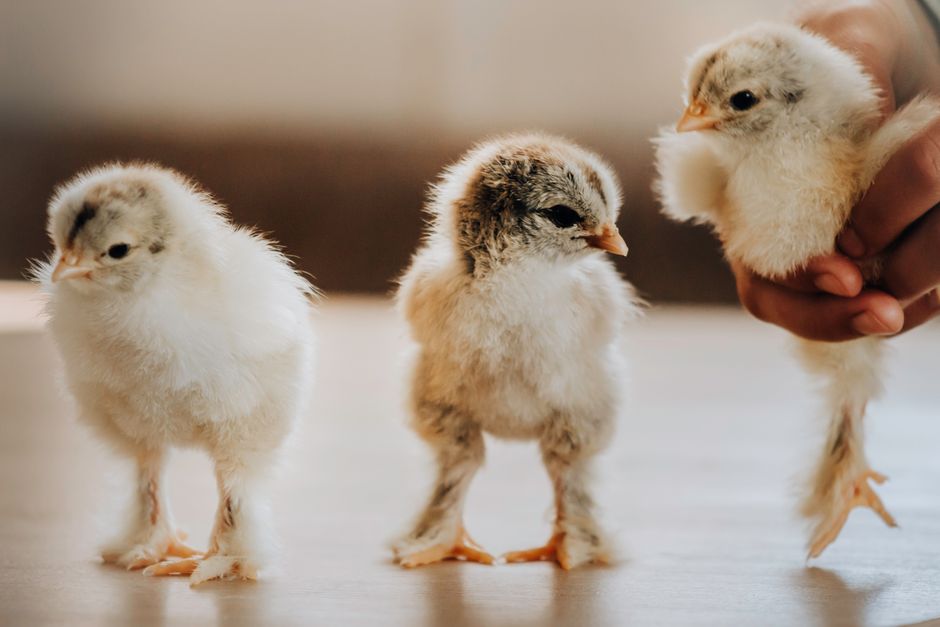
Every spring, someone in one of my local chicken groups posts a photo of their “all-hen” order from a hatchery, and there’s a rooster standing right in the middle of the picture. You can almost feel the disappointment through the screen. They did everything right. They ordered pullets. They paid the extra sexing fee. And still.
That rooster didn’t appear because the hatchery was negligent. It appeared because sexing baby chicks is genuinely hard, even for professionals, and most beginners have no idea how inexact the process is until they’re staring down a bird that’s started crowing at 5am.
Here’s what actually goes on when someone tries to figure out whether a day-old chick is male or female, which methods work, which ones are mostly nonsense, and what your realistic odds are depending on where you got your birds.
Why This Is So Much Harder Than It Sounds
A day-old chick does not have obvious external sex organs. The difference between male and female at hatch is internal, or in some breeds, visible only through very subtle feather or vent differences. Unlike mammals, you can’t just look. Commercial hatcheries have developed methods to sort chicks before they ship, but those methods have real error rates, and some of them only work on specific breeds.
What most people don’t realize is that “pullet” on a hatchery order form typically means 90% accuracy at best for the methods available, and some sources put that number lower for certain breeds. The hatchery industry standard hovers around 90-95% for vent sexing, which sounds good until you’ve ordered 12 chicks and two of them turn out wrong. That’s not a failure. That’s just math.
The Four Real Methods, Ranked by Reliability
| Method | Accuracy | Speed | Requirements | Best For |
|---|---|---|---|---|
| Vent sexing | 90-95% | Slow | Professional training, years of experience | Commercial hatcheries |
| Feather sexing | 98-99% | Fast | Sex-linked feathering gene present | Specific purpose-bred strains |
| Color sexing | ~100% | Very fast | Sex-link hybrid breeds | Black/Red Sex-Links, reliability-focused keepers |
| DNA sexing | 100% | 3-5 days | Lab processing ($19-25/bird) | Rare breeds, valuable birds, definitive answers |
Vent sexing is what hatcheries use. A trained specialist gently everts the chick’s cloaca and looks for a tiny bump that indicates a male. This takes years of training to do accurately without injuring the chick, and even experienced sexers work at accuracy rates in the 90-95% range. You are not going to learn this from a YouTube video. I mean that. The technique requires a specific feel that takes thousands of repetitions to develop, and a botched attempt can kill a chick. Don’t try it at home on your backyard flock.
Feather sexing is faster and, when it applies, more accurate, sometimes hitting 98-99%. It works only on breeds that have been specifically developed for it through a sex-linked feathering gene. You’re looking at the primary wing feathers at hatch: pullets have alternating long and short feathers, cockerels have feathers that are roughly even in length. The catch is that this only works on purpose-bred feather-sexable strains. Most heritage breeds don’t carry the gene. If your hatchery doesn’t specifically note that a breed is feather-sexable, this method is useless on them.
Color sexing works on certain sex-linked hybrid breeds where males and females hatch out different colors. Black Sex-Links and Red Sex-Links are the most common examples. At hatch, a Black Sex-Link female is black with a gold or reddish head spot; males are black with white wing tips. This is essentially 100% accurate when you’re working with a true sex-link cross, because it’s genetics, not interpretation. If accuracy matters more than breed flexibility, honestly, ordering sex-link hybrids is the most reliable approach most backyard keepers have access to.
DNA sexing is the gold standard. A small feather sample or a drop of blood, sent to a lab, and you get a definitive answer. Avian Biotech charges around $19-25 per bird currently, with turnaround time of a few days. For most backyard flock owners adding 6 chicks, the cost adds up fast. But if you’re hatching your own rare breed chicks from an expensive breeding flock, or you’ve got a bird you’re emotionally attached to before you know its sex (it happens), this is worth every penny. I’ve used it twice. No regrets either time.
The Old Wives’ Tales Section (Which I Know You’re Here For)
Hanging a needle over the chick. Egg shape predicting sex before hatch. Holding the egg up to a light. The way a chick holds its head. None of these work. They perform at chance level. I’ve watched people swear by the needle method and be right, which is exactly what happens when you flip a coin enough times.
I’d push back on one popular belief specifically: that you can predict sex by behavior in young chicks. The idea is that cockerels are bolder, more upright, more confrontational even at a few days old. I’ve seen this claim repeated constantly, and honestly, there’s a grain of truth in it for some individuals, but it is wildly unreliable as a method. I raised a Speckled Sussex pullet who was the most confrontational, chest-forward bird in the brooder for the first three weeks. She laid her first egg in October. Behavior gives you a hunch. It does not give you an answer.
What Actually Helps When You’re Watching Chicks Grow
Sources
If you’re hatching your own eggs or buying straight-run chicks, you’re waiting for secondary sex characteristics to develop. By 3-4 weeks, cockerels in most breeds will start showing slightly thicker legs, a more upright posture, and early comb development that’s pinker and larger than the pullets’. By 6-8 weeks it becomes fairly obvious in most dual-purpose breeds like Rhode Island Reds, Plymouth Rocks, and Wyandottes.
Silkies and a few other breeds are genuinely difficult even at 12 weeks. I’ve seen experienced keepers get Silkie sexes wrong at 3 months. If you want Silkie hens and can’t tolerate any roosters, buy DNA-sexed birds or sex-link hybrids. The Silkie situation is its own special chaos.
One useful trick: photograph your chicks weekly and compare the comb and wattle development side by side. What looks subtle in the moment becomes obvious when you line up week 3 next to week 6. I started doing this after I convinced myself I had five pullets and ended up with three cockerels. The photos made it clear in retrospect that I’d been ignoring obvious signs.
The honest reality is that even experienced keepers end up with surprise roosters sometimes. What matters is knowing which method applies to your situation, understanding the real accuracy rates before you get attached, and having a plan for what you’ll do if your “pullet” starts crowing. In most areas, that plan needs to exist before the chick arrives. Not after.
Photo: Lauren Heaton via Pexels