 Carol Thompson
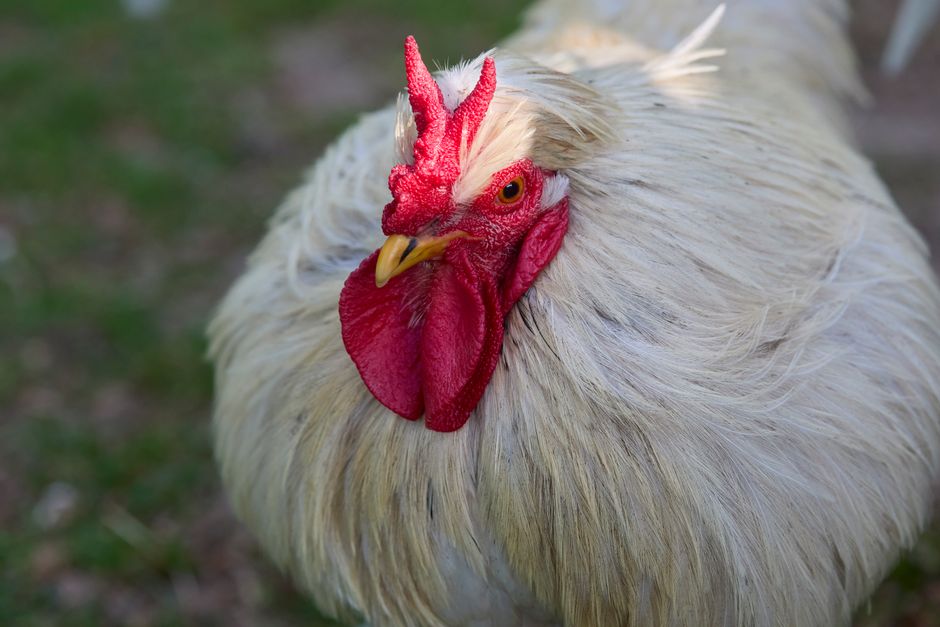
My neighbor got a rooster by accident in 2021. Ordered a straight-run batch of Buff Orpingtons from Meyer Hatchery, and three of the six turned out to be cockerels. By the time those boys started crowing at 4:47 a.m., she’d already received two noise complaints and a letter from the city. She had to rehome all three within 10 days. The whole thing could have been avoided with about 20 minutes of research before the chicks arrived.
Rooster laws are genuinely confusing. Most of the information online is either outdated, too vague to actually use, or specific to one county that has nothing to do with you. Here’s what I want to do: walk you through how these laws work, where to find the real rules for your address, and what your options are when the rules aren’t in your favor.
How Rooster Laws Are Actually Structured (And Why Google Won’t Give You the Answer)
Here’s what most people don’t realize: there’s no federal or state-level law governing backyard roosters in the U.S. It’s entirely local. Someone in unincorporated Bexar County, Texas has completely different rules than someone three miles away inside San Antonio city limits. Same state, same zip code sometimes, wildly different outcomes.
The layers go like this. Your state sets some broad agricultural guidelines, but almost none of them restrict backyard poultry at the residential level. Below that, your county has ordinances. Below that, your city or municipality has ordinances. And below that, if you’re in an HOA, you have CC&Rs that can be stricter than anything the government requires.
Most people search “can I have a rooster in [city name]” and get a result from 2016 on a forum that may or may not still be accurate. Ordinances change. Lots of cities loosened their backyard chicken rules after 2020 but kept rooster restrictions tight because of noise complaints. I’ve seen people get confident about an old Reddit thread and end up on the wrong side of animal control six months later.
The only source you should trust is your actual municipal code. Go to Municode.com, type in your city or county name, and search for terms like “poultry,” “fowl,” “rooster,” or “livestock.” It’s free. It’s the actual ordinance. Read it yourself instead of relying on what someone at the feed store told you.
If you’re in unincorporated rural area, you probably fall under county jurisdiction only, and many rural counties have no restrictions at all on roosters. Lot size often matters more than location in those cases.
What the Ordinances Actually Say
| Ordinance Type | Description | Common in | Enforcement |
|---|---|---|---|
| Flat Prohibition | “No rooster, male chicken, or cockerel shall be kept on any residential property” | Cities over 50,000 people | Clear violation; no gray area |
| Noise/Nuisance Based | Hens legal; crowing treated as noise violation similar to barking dog | Denver, Colorado and similar cities | Complaint-triggered enforcement |
| Lot-Size Based | Roosters permitted on parcels of 2+ acres; hens only on smaller lots | Semi-rural and transitional zoning areas | Determined by parcel size documentation |
| Permit Systems | Rooster-friendly with permit requirements | Austin, Texas (subject to code changes) | Permit approval required before keeping rooster |
Most suburban rooster bans are written one of three ways.
The first is a flat prohibition: “No rooster, male chicken, or cockerel shall be kept on any residential property.” Short, no room for interpretation. These are common in cities over 50,000 people.
The second type allows hens but bans roosters specifically by referencing noise or nuisance ordinances. Denver, Colorado has historically used this approach. The chicken is legal; the crowing is treated as a noise violation, similar to a barking dog complaint. Technically you might get away with a rooster for a while, but one complaint can trigger enforcement.
The third type is lot-size based. Something like: “Roosters permitted on parcels of 2 acres or more.” This is pretty common in semi-rural areas and transitional zoning. One acre might get you hens only; two or more acres and a rooster is allowed. If you’re sitting on 1.8 acres, don’t assume you’re fine.
A few cities, Austin, Texas being one of the better-known examples, have made genuine efforts to be rooster-friendly with permit systems, though the rules have shifted there over the years and it’s worth checking current code rather than relying on what was true in 2018.
Before You Get That Rooster: The Practical Checklist
10 Chicken Coop Mistakes you DON'T want to Make ! · Carolina Coops® on YouTube
If you’ve done your research and roosters are legal where you are, here’s what actually matters before you commit:
Check your specific parcel, not just your general area. If you’re inside city limits, use Municode. If you’re outside city limits, call the county planning or zoning office directly. Ask: “What zoning designation is my property, and what are the poultry rules for that designation?” Write down the name of the person you spoke with and the date. That documentation matters if there’s ever a dispute.
Read your HOA documents if you have one. This is where people get blindsided most often. Your HOA’s rules are a private contract and they can ban roosters even if city code allows them. Some HOAs have the authority to fine you and force removal of animals. Check Section 4 or 5 of your CC&Rs under “Animals” or “Livestock.”
Talk to your immediate neighbors before you bring a rooster home. I know this feels unnecessary, especially if you’re technically legal. But a rooster crowing at 5 a.m. is a social problem as much as a legal one, and a neighbor who feels consulted is far less likely to file a complaint than one who woke up to surprise noise. Bring them a dozen eggs. It works.
Consider whether your setup is actually rooster-appropriate. A rooster in a small urban backyard with 4 hens is different from a rooster on half an acre with 15 hens. Roosters can be aggressive, they crow constantly (not just at dawn, that’s a myth), and they’re hard on hens if the ratio is off. One rooster per 8-12 hens is reasonable. Fewer hens and you’ll have overbred, stressed birds with bare backs.
When You’re in a No-Rooster Zone and You Want One Anyway
A few options that actually work.
Rehome to a farm sanctuary or rural keeper. This is genuinely the best outcome for the bird and for you. Post on local Facebook farming groups, Craigslist farm & garden section, or your county’s extension service bulletin board. Most healthy roosters find homes within a week or two. Dual-purpose breeds like Barred Rocks and Rhode Island Reds rehome faster than ornamental ones.
Petition for a variance or ordinance change. This is slow and usually unsuccessful, but it’s worked in some cities. If your municipality has an active backyard poultry community, organizing with other keepers and presenting to your city council is a real path. It’s worked in places like Portland, Oregon and parts of Colorado. Expect a 6-24 month process.
Don’t rely on no-crow collars as a long-term solution if you’re in a strict enforcement area. No-crow collars (the most well-known brand is the No-Crow Rooster Collar, about $12-15 on Amazon) reduce volume, they don’t eliminate crowing. At close range a collared rooster is still audible, still potentially complaint-worthy. They’re useful for buying time, not for pretending you don’t have a rooster.
Frequently Asked Questions
Sources
- Municode.com
- @ Prestige by Nature
- Livestock. Talk
- before the chicks arrived
- and roosters are legal where you are
Can I keep a rooster if I have a backyard chicken permit?
Not necessarily. Many cities issue permits specifically for hens only. Read the permit language carefully; it will usually say “female chickens” or “laying hens” and explicitly exclude roosters. Assuming your hen permit covers a rooster is one of the most common mistakes I see.
What happens if I get reported for having an illegal rooster?
It varies. Most cities start with a warning and a compliance deadline, often 10-30 days. If you don’t comply, fines can range from $50 to several hundred dollars per day depending on the municipality. In rare cases, animal control can remove the bird. You’re almost never criminally liable, but the fines add up fast.
How do I tell if my chick is going to be a rooster before it starts crowing?
Sexing chicks is genuinely hard unless you’re buying sexed pullets from a reliable hatchery. By 6-8 weeks, you can start watching for saddle feathers (pointed, narrow feathers on the lower back), larger combs with more color, and leg thickness relative to the other chicks. By 12 weeks it’s usually obvious. If you’re in a no-rooster zone, buy sexed pullets from a reputable source and accept that you’ll occasionally still get a wrong-sex bird (even the best hatcheries have a 2-5% error rate).
My neighbor has an illegal rooster and it’s driving me crazy. What can I do?
File a complaint with your city’s code enforcement or animal control office. Most municipalities have an online complaint portal. You don’t have to give your name in many jurisdictions. If noise is the issue, check whether your city has a general noise ordinance you can cite in addition to any poultry-specific rule.
Are there any rooster breeds that crow less?
Honestly, not really. Some individuals are quieter than others and certain bantam breeds like Sebrights or Silkies tend to have softer, higher crows, but every rooster crows. Volume varies more by individual bird than by breed. Don’t choose a breed based on the hope of a quiet rooster. It’s the wrong strategy.
The 20 minutes you spend on Municode and your HOA documents right now will save you a lot of grief later. If the rules aren’t in your favor, there are real paths forward that don’t involve hoping nobody notices. Your flock, and your neighbors, will be better off for it.
By Dana Hargrove
Photo: @ Prestige by Nature via Pexels