 Janet Wilson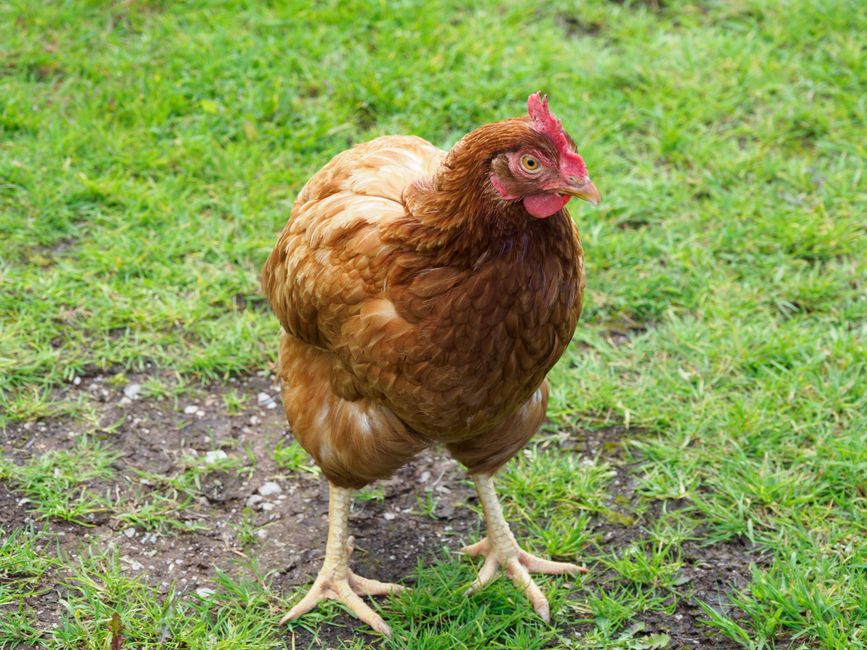
Walk into almost any farm store during chick days and ask which breed beginners should start with. You’ll walk out with a Rhode Island Red in your brooder box. After 12 years keeping chickens across 14 different breeds, I can tell you that reputation is earned. But I’ve also watched plenty of new keepers get blindsided by things nobody mentioned. Let’s talk about the whole picture.
Where Rhode Island Reds Come From (and Why It Matters)
Late 1800s, Rhode Island and Massachusetts. Breeders crossed Malay, Shanghai, Java, and Brown Leghorn stock over several decades to create a bird that could handle brutal New England winters while still laying through them. The American Poultry Association admitted the Rhode Island Red to their Standard of Perfection in 1904, and the breed hasn’t needed much fixing since.
Here’s why that history matters in practice: this breed was created by farmers who needed food and eggs, not hobbyists chasing show ribbons. That working-class origin runs through the genetics. RIRs are hardy, productive, and they don’t complain. They’re one of the breeds that built the commercial egg industry before production strains took over, which means there are now two completely different types you need to understand before you buy.
Production Reds vs. Heritage Rhode Island Reds. This is where most people get confused. Production Reds are what you’ll find at farm stores. They’ve been selectively bred for maximum egg output, period. Expect 280 to 300 eggs per year from a good one. Heritage-type RIRs, bred closer to the original Standard, lay maybe 200 to 250 eggs annually but live longer, weigh more, and often have calmer dispositions. If you’re ordering from Murray McMurray or Cackle, read the description. Many just list them as “Rhode Island Red” without saying which type you’re actually getting.
Egg Production and What to Realistically Expect
| Characteristic | Production Reds | Heritage Rhode Island Reds |
|---|---|---|
| Eggs per year | 280-300 | 200-250 |
| Eggs per week | 5-6 | 4-5 |
| Lifespan (productive years) | 2-3 years peak | 4-5 years |
| Body weight | Standard | Heavier |
| Temperament | More driven for production | Calmer, longer-lived |
| Breeding focus | Maximum egg output | Original Standard traits |
A Production Red pullet in her first year will typically hit 5 to 6 eggs per week. That’s roughly 260 to 300 eggs annually. Heritage birds run closer to 4 to 5 per week. Either way, you’re getting genuinely excellent production of large to extra-large brown eggs.
Production peaks in the first two years. By year three, most hens drop to about 70 to 80 percent of their peak. Year four? Significantly fewer eggs. That doesn’t mean you cull every bird at three years old. I’ve had Production Reds laying adequately at four years, and heritage birds still contributing at five. But if production is your main goal, plan for flock rotation.
A few real things that cut into your egg count:
- Molt. Hens go through a hard molt around 16 to 18 months, then annually after that. Expect a 6 to 8 week laying pause each time.
- Light. Hens need roughly 14 to 16 hours of daylight to lay consistently. Without supplemental winter light, even an excellent RIR will slow way down.
- Nutrition. Low-quality feed without adequate calcium tanks your production and leads to thin-shelled eggs or internal laying problems. Stick with a quality 16 to 18 percent protein layer feed and offer oyster shell free choice.
Manna Pro Layer Pellets are solid and affordable. I’ve used them reliably for years. (This site may earn a commission on purchases made through links here.)
Temperament: Friendly, But Not a Lap Bird
3 BEST CHICKEN BREEDS | Backyard & Family Flocks | Favorite Poultry Varieties For Beginners | Chicks · Oak Abode on YouTube
I need to be straight with you here because the marketing around RIR temperament is misleading. They’re not Buff Orpingtons. They won’t squat down and let your six-year-old scoop them up without complaint. They’re confident, sometimes bossy, and they tend to land near the top of the pecking order when mixed with gentler breeds.
But they’re not aggressive toward people. The hens, anyway. I’ve found that RIR hens handled frequently from chick age become genuinely friendly birds. They’ll follow you around the yard, they’re curious and alert, and they don’t spook easily. That makes routine health checks much easier than with flightier breeds like Leghorns.
RIR roosters are another thing entirely. I’ve had genuinely sweet RIR cockerels and some of the meanest birds I’ve ever managed from this breed. If you’re keeping a rooster, watch carefully during the first year. An RIR rooster that decides to challenge humans can be relentless and will draw blood. Never turn your back on one you don’t fully trust.
In a mixed flock, pair RIRs with breeds of similar assertiveness. Plymouth Rocks, Wyandottes, and Easter Eggers hold their own reasonably well. Avoid mixing them with Silkies, Polish, or other docile breeds unless your coop has enough space for the lower-ranked birds to escape harassment.
Feeding, Housing, and Basic Care Requirements
Rhode Island Reds aren’t difficult to house, but they do have real needs.
Space. The standard recommendation is 4 square feet per bird inside the coop and 10 square feet per bird in the run. In my experience, RIRs on the low end of that get bored and nippy. Push closer to 6 square feet inside and 15 outside, and you’ll see calmer behavior and fewer feather-picking issues.
Feed. For laying hens, a quality layer pellet or crumble with 16 to 18 percent protein is the base. Offer oyster shell on the side. Scratch grain is fine as an occasional treat, not a dietary staple. Scratch is low in protein and high in carbs, so too much means fat hens with reproductive problems.
Water. RIRs drink more than you’d expect, especially in summer. A 3-gallon waterer handles about 6 to 8 birds comfortably. In hot weather, I add a second waterer and drop a few ice cubes in on truly hot days. A sturdy poultry waterer like this Harris Farms model keeps things clean and reduces refill frequency. (Commission disclosure applies.)
Nesting boxes. One box per 4 hens is the guideline, though you’ll find every hen wants the same box regardless of how many you build. Line boxes with quality nesting pads to keep eggs clean and reduce breakage. Replace them regularly. Dirty nesting material is one of the fastest routes to egg-eating behavior.
Cold hardiness. RIRs handle cold well. Their single comb can get frostbitten in severe winters. If you’re in a climate that drops below 10 degrees Fahrenheit regularly, apply a thin layer of plain petroleum jelly to the comb and wattles before a cold snap. Adequate ventilation in the coop matters more than insulation. Moisture buildup causes respiratory problems and frostbite faster than cold air alone.
How Rhode Island Reds Compare to Similar Breeds
Trying to decide between a few popular options?
| Breed | Eggs/Year | Temperament | Cold Hardy | Heat Hardy | Dual Purpose |
|---|---|---|---|---|---|
| Rhode Island Red | 260-300 | Assertive, curious | Yes | Moderate | Yes |
| Buff Orpington | 200-240 | Calm, gentle | Yes | Poor | Yes |
| Plymouth Rock | 200-250 | Calm, friendly | Yes | Moderate | Yes |
| Leghorn | 280-320 | Flighty, skittish | Moderate | Good | No |
| Sussex | 220-260 | Docile, friendly | Yes | Moderate | Yes |
| Black Australorp | 250-280 | Calm, quiet | Yes | Moderate | Yes |
The RIR sits in a sweet spot: near the top of the production charts with more calm and cold tolerance than a Leghorn, and more eggs than most dual-purpose breeds. If maximum egg production is your priority, only the Leghorn beats it. If temperament matters equally, the Australorp or Plymouth Rock might actually suit you better, especially in a family flock.
Health Issues Specific to Rhode Island Reds
Sources
- Manna Pro Layer Pellets
- A sturdy poultry waterer like this Harris Farms model
- quality nesting pads
- Vetericyn Plus Poultry Care Spray
- Brett Jordan
RIRs are generally a healthy breed. They don’t carry the genetic issues you see in heavily modified breeds, but they’re not bulletproof.
Marek’s Disease. Order vaccinated chicks. Non-negotiable for any breed, but especially if you’re buying from a hatchery and adding birds to an existing flock. Most hatcheries vaccinate by default. Confirm before you order.
Egg-laying disorders. High-production hens, and RIRs are right at the top of that list, have elevated risk of reproductive issues: internal laying, egg peritonitis, and prolapse. The more eggs a hen lays over her lifetime, the higher the cumulative risk. I’ve lost Production Reds to egg peritonitis as young as three years old. It’s one of the real costs of working with highly productive breeds.
Bumblefoot. Common in heavier birds. Check the bottom of your hens’ feet during routine handling. A small dark scab with a hard core underneath is bumblefoot and needs treatment. Caught early, you can often treat it with Epsom salt soaks, Vetericyn spray, and a bandage. Left alone, it becomes a serious infection. Vetericyn Plus Poultry Care Spray is something I keep in my coop kit year-round. (Commission disclosure applies.)
Parasites. Mites and lice affect every breed. RIRs’ dark feathering actually makes it harder to spot mites during a quick visual check. Part the feathers near the vent and base of the tail every month. Dustbathing is the hens’ own defense, so make sure they have access to dry dirt or a dedicated dust bath area.
Twelve years in, Rhode Island Reds still hold a regular place in my flock. They’re not glamorous. No feathered feet like a Cochin or striking plumage like an Easter Egger. What they have is reliability, and in a backyard flock, that’s worth a lot. Go in with accurate expectations, a productive, assertive, cold-tolerant bird that will lay eggs through conditions that would sideline fancier breeds, and you’ll almost certainly be glad you started with one.
Photo: Brett Jordan via Pexels