 Mike Carter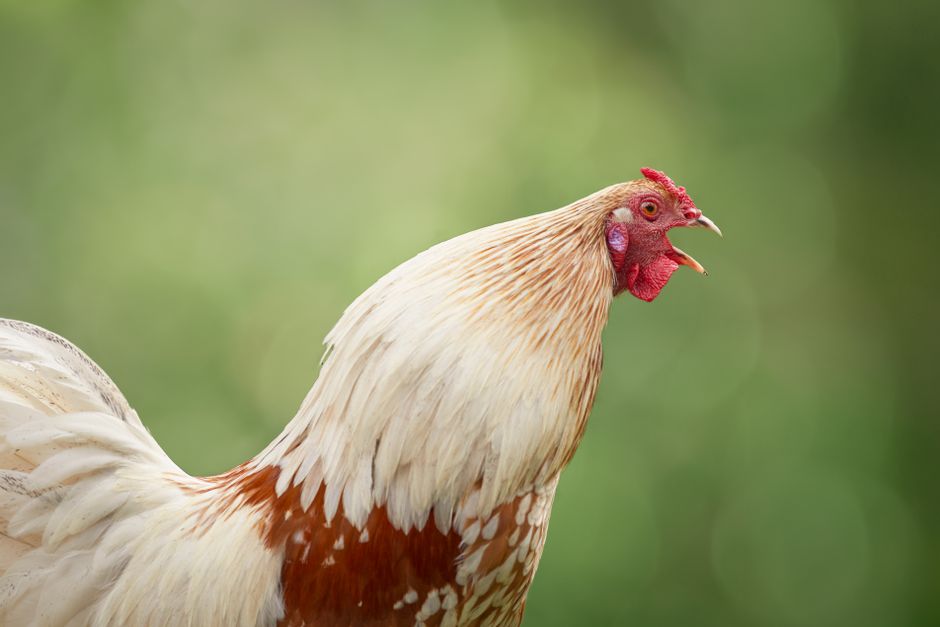
One of my hens sounded like a tiny accordion last October. That wet, rattling wheeze coming out of a bird that had been perfectly fine the week before is something you don’t forget. If you’re reading this because you heard something similar today, or because one of your girls has a puffy eye or a runny nose, I want you to take a breath. You’re not a bad chicken keeper. This happens to everyone eventually, and what you do in the next 24 to 48 hours matters a lot.
Respiratory illness is probably the most common health problem backyard flock owners contact me about. It’s also one of the most confusing, because the symptoms overlap wildly between a handful of very different diseases. A rattling cough could be Mycoplasma gallisepticum. It could be Infectious Bronchitis. It could be Aspergillosis if they got into moldy bedding. Knowing which one you’re dealing with changes everything, including whether antibiotics will help at all.
I’m going to walk you through what I actually do when I see these signs, what’s likely, what’s serious, and where people tend to go wrong.
What You’re Probably Seeing (And What It Means)
Respiratory symptoms in chickens usually show up in a cluster: sneezing, nasal discharge, watery or swollen eyes, a rattling or gurgling sound when they breathe, reduced laying, and general lethargy. Sometimes you get all of those. Sometimes it’s just a single eye that looks off, and two weeks later you’ve got half the flock wheezing.
Here’s how I triage it in my own yard.
One bird, mild symptoms, the rest look fine. This is often early-stage Mycoplasma (also called CRD, or Chronic Respiratory Disease). MG is incredibly common in backyard flocks, and the frustrating truth is that once it’s in your flock, it’s usually there permanently. Stress, cold weather, or an immune hit from something else causes flare-ups. The bird recovers, becomes a carrier, and the cycle continues. This is not a death sentence. Many flocks live with MG for years. It does mean you shouldn’t sell or give away birds without disclosing it.
Multiple birds, symptoms spreading fast, rattling or clicking sounds. You might be looking at Infectious Bronchitis (IB), which is caused by a coronavirus (yes, that class of virus). IB moves through a flock in days. It can also tank egg production dramatically and sometimes permanently, especially in young pullets whose reproductive tracts are still forming. No treatment stops IB itself. Supportive care is all you’ve got.
Swollen sinuses, one-sided facial swelling, frothy eyes. Mycoplasma synoviae or Infectious Coryza both cause this kind of presentation. Coryza has a distinctive, awful smell to the nasal discharge, sort of sweet and rotten. If you smell it, you’ll know it. Coryza responds to antibiotics but it’s highly contagious and re-infection is possible because immunity after illness is incomplete.
Gasping, especially in young birds, or birds that look like they’re stretching their necks to breathe. This is the one that should make you move fast. Gapeworm can cause gasping (you can sometimes see the worms by looking down the bird’s throat with a flashlight), but in vaccinated or adult birds, Newcastle Disease is the nightmare scenario. True virulent Newcastle is reportable to the USDA. If birds are dying rapidly and gasping, call your state veterinarian’s office before doing anything else.
The Mistake Most People Make First
| Symptom Pattern | Likely Disease | Treatment | Contagion Risk |
|---|---|---|---|
| One bird, mild symptoms | Mycoplasma gallisepticum (MG/CRD) | Tylosin (Tylan 50 or Tylan Soluble) | Carrier remains in flock permanently |
| Multiple birds, rapid spread, rattling sounds | Infectious Bronchitis (IB) | Supportive care only (no antibiotic) | Spreads through flock in days |
| Swollen sinuses, facial swelling, frothy eyes | Mycoplasma synoviae or Infectious Coryza | Oxytetracycline or Tylosin; Coryza responds to antibiotics | Coryza highly contagious, incomplete immunity |
| Gasping, neck stretching, rapid mortality | Gapeworm or Newcastle Disease | Contact state veterinarian immediately | Newcastle is reportable to USDA |
Grabbing whatever antibiotic they have on hand and dosing the whole flock.
I understand why. It feels like doing something. It feels responsible. But antibiotics do nothing against viral diseases, which probably account for 60 to 70 percent of backyard respiratory cases. And overusing them contributes to resistance, which matters if you ever have a bacterial infection you genuinely need to treat.
The two antibiotics most commonly used for respiratory illness in backyard chickens are Tylosin (sold as Tylan 50 injectable or Tylan Soluble powder) and Oxytetracycline (sold as Duramycin or Terramycin). Tylosin is specifically good for Mycoplasma. Oxytetracycline has broader spectrum use but weaker Mycoplasma coverage.
Tylan Soluble Powder is available on Amazon and I’ve used it directly, dissolved in drinking water. Note that as of late 2023, there are new FDA rules under VFD (Veterinary Feed Directive) regulations affecting how some of these drugs can be obtained. Depending on your state, you may need a vet relationship to get them. This is worth knowing before you’re in a crisis.
What I’d actually recommend: call a poultry vet before you dose. Even a 20-minute phone consult can save you from treating the wrong thing. Many university extension programs also have poultry diagnostic labs that will test a swab or, in the worst case, a deceased bird for surprisingly reasonable prices. The UC Davis California Animal Health and Food Safety lab, for example, charges around $60 to $80 for a basic respiratory panel. Your state’s land-grant university almost certainly has something similar.
Environment Is Doing More Work Than You Think
Is My Chicken Sick? How to Treat Chickens Naturally · Nature's Always Right on YouTube
A lot of respiratory illness in backyard flocks isn’t purely about pathogens. It’s about ammonia.
If you can smell ammonia when you open your coop door in the morning, your birds are breathing it all night. Ammonia at even 25 ppm (parts per million) causes microscopic damage to the mucous membranes of the respiratory tract, which makes it radically easier for pathogens to take hold. Birds that might shrug off a low-level MG exposure in good conditions develop full-blown illness when their airways are already compromised.
Deep litter that isn’t turned, coops without adequate cross-ventilation, too many birds per square foot: these are the real risk factors that nobody puts on a hatchery website.
My personal minimum: 4 square feet per bird inside the coop, ventilation gaps at the roofline (not at bird height, where drafts hit directly), and litter that I’m turning at least twice a week in wet weather. I like pine shavings over straw because they dry faster and compact less. In winter I add a product called Sweet PDZ (a zeolite mineral sold in feed stores and on Amazon) under the roost bars to absorb ammonia. It genuinely works.
Mold is a separate problem worth mentioning. Aspergillosis, the fungal respiratory infection, comes from moldy feed or bedding and doesn’t spread bird-to-bird. It also doesn’t respond to standard antibiotics. If you see birds with neurological signs combined with gasping, and you’ve recently had wet bedding or questionable feed, mold is worth considering. It’s often fatal and very hard to treat.
When to Separate, When to Treat, When to Cull
Sources
You might be wondering about quarantine. The honest answer is complicated.
If you catch one sick bird early, isolation can slow spread. Set up a hospital area: a dog crate in a heated garage works fine. Keep it warm (around 75 to 80 degrees for a sick bird), make sure it’s eating and drinking, and watch for progression. I use Rooster Booster Poultry Cell as a supportive supplement during illness, given with a dropper directly into the beak. It’s a liquid vitamin and electrolyte supplement that helps birds maintain condition when they’re not eating well.
But if three birds are already symptomatic, you’re probably past the containment stage. The flock has been exposed. At that point, focus on supporting everyone: keep feeders and waterers clean (I run a weak bleach rinse on waterers every other day during an outbreak), improve ventilation, reduce stress from overcrowding or extreme cold, and make the call on whether to treat.
Culling is hard to talk about. I’m not going to pretend it isn’t. But some diseases, especially Marek’s and severe Newcastle, and sometimes Coryza in a flock that keeps cycling through reinfection, reach a point where the kindest and most practical thing is a hard decision. I’ve made that call. I’ve also kept birds alive through illness who went on to lay for two more years. You learn to read each situation.
If your bird makes it through the next 48 hours with support, stable appetite, and a little improvement in breathing, the odds shift in your favor considerably. I’ve watched hens bounce back from some genuinely scary rattling wheezes and go right back to running the yard like nothing happened. It’s not always a disaster. But knowing what you’re actually dealing with, and not just throwing Duramycin at it and hoping, is what separates the people who lose half their flock from the ones who get through it with most of their birds intact.
Stay warm out there. So do your girls.
Maria Vasquez has kept laying hens for ten years in New Mexico and southern Colorado, ranging from a four-bird suburban setup to a 40-bird mixed flock. This article may contain affiliate links.
Photo: Erwin Bosman via Pexels