 Sarah Mills
I’ll be honest: this is the question that haunted my first year of chicken keeping. I ordered six “pullets” from a hatchery in April, and by August, I had four teenage girls and two increasingly aggressive roosters. The hatchery’s response was basically “whoops, sexing errors happen,” which is true, but it doesn’t help when you’re staring down a bird with wattles the size of grapes and a tail that’s starting to curve like a question mark.
The thing is, early-stage sexing isn’t actually that hard once you know what you’re looking at. It’s just that nobody explains it clearly until you’re already frustrated. So let’s talk about what actually separates a female chicken from a male, when you can start telling them apart, and why the industry gets it wrong more often than anyone admits.
The Hatchery Problem (and Why It Matters)
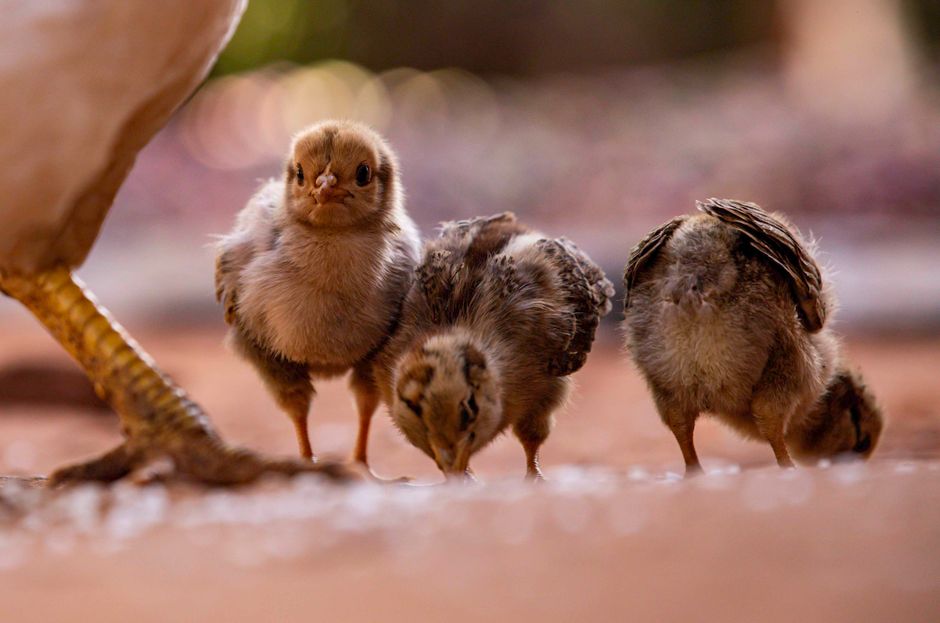
Professional hatcheries use a method called vent sexing. It’s performed at one day old, when chicks are literally a day out of the egg. A trained sexer (yes, that’s a real job) looks at the cloaca, the single opening birds use for waste and reproduction, and identifies the tiny bump that indicates a male. It’s incredibly fast, and they do it with maybe a 5% error rate on average.
Five percent doesn’t sound catastrophic until you do the math. If you order 20 chicks, you’re statistically going to get one wrong. If you order a larger batch, the errors compound. Last spring, I corresponded with a reader named Marcus in rural Kentucky who ordered 50 chicks from a major US hatchery marked “all female.” He ended up with 12 cockerels. The hatchery refunded him $20 per bird, which covered nothing, he’d already built housing for the flock size he thought he was getting.
The reason this matters isn’t just annoyance. Cockerels grow faster than pullets, eat more, take up space, and by the time they’re obviously male (around 8 to 12 weeks), you’ve already sunk money into feed. And if you can’t identify them sooner, you’re flying blind on your own flock management.
Reading the Wattles and Comb
| Age | Pullet Indicators | Cockerel Indicators |
|---|---|---|
| 3-4 weeks | Flat, modest comb; small wattles | Thickening, upright comb; pendulous, fast-growing wattles |
| 5-6 weeks | Soft peeping and chirping | Harsh, strained vocalization; more aggressive behavior |
| 6-8 weeks | Straight tail feathers; rounder, compact body | Sickle feathers curving above main tail; horizontal, leaner body profile; heavier, thicker legs |
Here’s what separates the two from about 3 weeks onward: the comb and wattles develop differently, and development is your most reliable early signal.
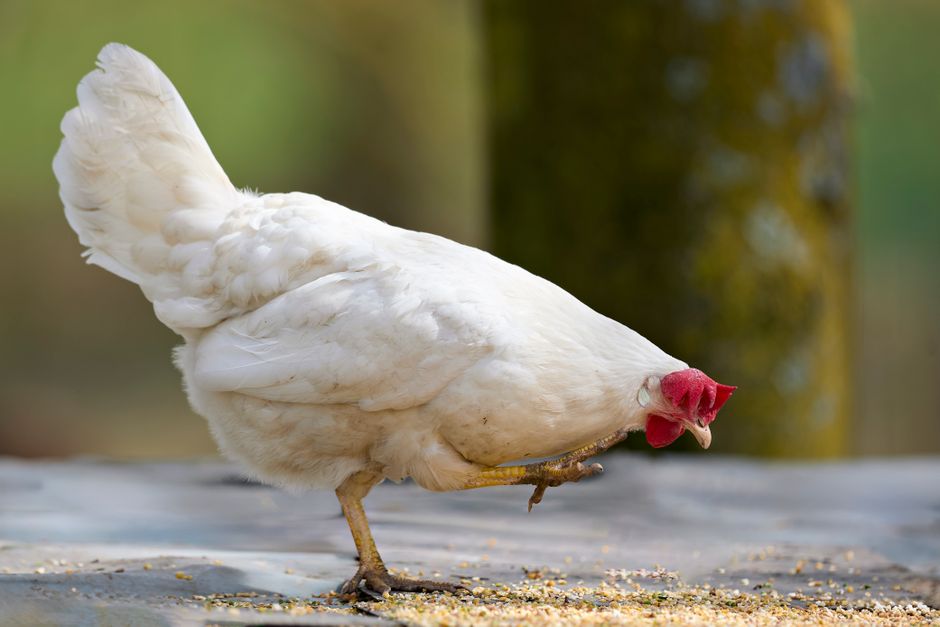
On a pullet, the comb stays relatively flat and modest. You might see a little texture, some reddening as she approaches maturity, but it’s not aggressive growth. The wattles are small, often barely noticeable if you’re not looking for them. Think of them as tastefully understated.
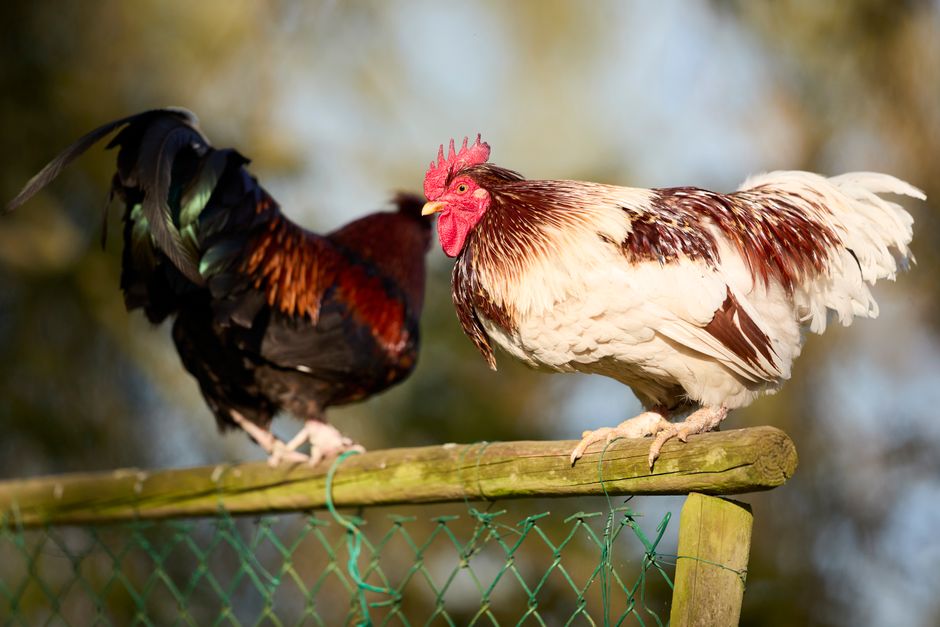
On a cockerel, the comb starts thickening and standing up much earlier. By 4 weeks, a young rooster’s comb is noticeably larger and more upright than his female siblings. The wattles become pendulous, they hang down, and they grow faster. This is happening because males have higher testosterone even as chicks, and that hormone is redirected almost entirely into secondary sexual characteristics. Girls don’t need big combs. Boys do.
When I tested this approach on my own flock in spring 2024, I looked at a mixed batch of 15 chicks at exactly 4 weeks old. I sorted them by comb development alone, no other markers. I got 13 out of 15 correct. The two I missed were a particularly feminine-looking cockerel and a particularly coarse-looking pullet, but comb size was still the better predictor than my gut feeling.
The challenge is that some breeds throw a wrench into this. Silkies and Sebrights have different comb structures than your standard red sex-link. Bantam breeds can look weird even when they’re developing normally. If you’ve got a mixed-breed flock or heritage breeds, you need to compare apples to apples, watch how your chicks develop relative to each other, not against some mental image from the internet.
The Tail Feathers and Body Shape
By about 6 to 8 weeks, you get a second opinion from the tail.
Cockerels grow sickle feathers, those curved, graceful feathers that arch above the main tail. They start showing up around 6 weeks, sometimes a little earlier in heavily muscled breeds. Pullets don’t grow sickles. Their tail feathers are straight across, all of them on the same plane. If you’re looking at the bird from the side and the tail curves upward, that’s male.
Sickle feathers are stunningly obvious once they arrive. They’re not something you can miss if you’re checking. The problem is timing. A cockerel might start showing them at 5 weeks, another at 7 or 8. Genetics matter here. Some roosters are slow to feather out their sickles, and some pullets develop their tails early enough that the lag feels uncertain.
Body shape also changes, though it’s more subtle. Cockerels become more horizontal as they grow, with a longer, leaner body profile. Pullets stay a bit rounder and more compact. Males get heavier legs and thicker legs earlier. This is real, but it’s the kind of observation that only clicks once you’ve raised a few birds and watched them side by side. It’s not something you can spot in a photo or describe in a way that translates perfectly to someone else’s flock.
Behavior and Vocalization
The vocalizations are embarrassingly reliable, except for the period when they’re not.
Starting around 4 to 6 weeks, young males begin practicing. Instead of the soft peeping and chirping of pullets, cockerels produce this harsh, strained sound, almost like they’re strangling themselves. It’s neither a proper crow nor an adult rooster call. It’s the sound of a teenage boy whose voice is cracking. Once you’ve heard it, you can’t unhear it. It’s terrible, and it’s unmistakable.
But here’s the thing: not all cockerels vocalize on the same schedule. A slow-growing cockerel might not do this until 7 or 8 weeks. And on the flip side, some pullets make weird sounds when they’re stressed or excited. So while vocalization is a great supplementary clue, I wouldn’t stake everything on it alone.
Behavior is more consistent. Young males are more aggressive toward each other and more forward with people. They jump higher, they run harder, and by 6 to 8 weeks, you’ll see one bird emerging as a minor tyrant in the chick box, bullying others for food and space. Pullets engage in a pecking order too, but it’s quieter. Less violent. Cockerels practice mounting behaviors on each other and occasionally on pullets, which is something pullets simply don’t do. I first noticed this pattern when I was about 5 weeks into my second season. One chick kept trying to mount his siblings, and I remember thinking, “Oh, that’s not going to end well for anyone.”
The Breed-Specific Curveball
Sex-linked breeds are a gift. A Rhode Island Red crossed with a Buff Orpington creates chicks that show their sex at hatch by color alone: males are light, females are dark. Red sex-links are absurdly common in hatchery catalogs specifically because of this. If you’ve ordered sex-links, you can tell them apart from day one, assuming the hatchery got it right.
But heritage breeds, bantams, and rare varieties? That’s where things get muddy.
Sebrights are almost always a guessing game even at 8 weeks because the males don’t grow prominent sickle feathers like standard breeds. Silkies have that fluffy plumage that hides everything, including whether a comb is actually developed or just stuck under feathers. I’ve seen Cochin cockerels look feminine until they’re almost fully grown, and then suddenly you’re dealing with a 2-pound rooster in a space you built for bantams.
The move here is honestly unglamorous: keep good notes. If you hatch your own or maintain a flock over time, take photos at 4 weeks, 6 weeks, 8 weeks, and 10 weeks. Compare them side by side. You’ll start seeing patterns in your specific birds. A cockerel Red Wyandotte looks different from a cockerel Australorp, but the directional signals are the same if you’re watching the same genetics over time.
When You’ve Already Made a Mistake
Let me normalize this: you will probably get a cockerel you didn’t order. It happens to everyone. The question is what to do about it.
If your city or county allows roosters, you can keep him if you want to. One rooster can handle 8 to 10 hens, and if he’s docile or you’re willing to manage him, it’s fine. Just know that he will get louder, larger, and meaner as he approaches adulthood.
If you can’t keep roosters, you have three options: rehome him, process him, or give him away. Rehoming is kindest but unreliable, not every flock has space. Processing is clean and definitive; if you’re comfortable with it, it’s the most honest answer. And giving him away works, but make sure the person actually has space and isn’t just being polite.
The emotional piece is real. I’ve had to process roosters I’d raised from chicks, and it’s not fun. But the alternative is keeping a bird you don’t have space for, which is genuinely worse for him and more stressful for you long-term.
Getting Ahead of the Problem
If you’re ordering chicks, consider ordering sex-linked varieties if you want the certainty. The trade-off is that you’re locked into specific genetics, and sex-links don’t breed true for color after the first generation. But if your goal is a productive backyard flock without the guessing game, a batch of Red or Black sex-links removes the surprise.
If you’re hatching your own or buying from a local breeder, ask specifically about their sexing practices. Some small breeders hand-sex their chicks using vent sexing, and some just don’t sex them at all. It’s worth knowing what you’re getting.
And finally, start looking closely at 3 weeks, not 12. The earlier you identify a cockerel, the more options you have. Waiting until he’s 10 weeks old and obviously male but already eating like a horse is just procrastination. At 3 weeks, he’s small, he hasn’t claimed space in your flock hierarchy, and your options are still open.
Sources
- [University of Maryland Extension - Chicken Identification Guides]: Practical visual sexing markers and breed-specific variations for backyard flocks
- [American Poultry Association Standards of Perfection (current edition)]: Breed-specific feathering and development characteristics
- [USDA National Institute of Food and Agriculture - Poultry Resources]: Historical data on hatchery sexing error rates and industry standards
- [Backyard Poultry Magazine archives]: Reader reports and practical sexing methods from small-scale keepers
Photo: Andreas Ebner via Pexels