 Janet Wilson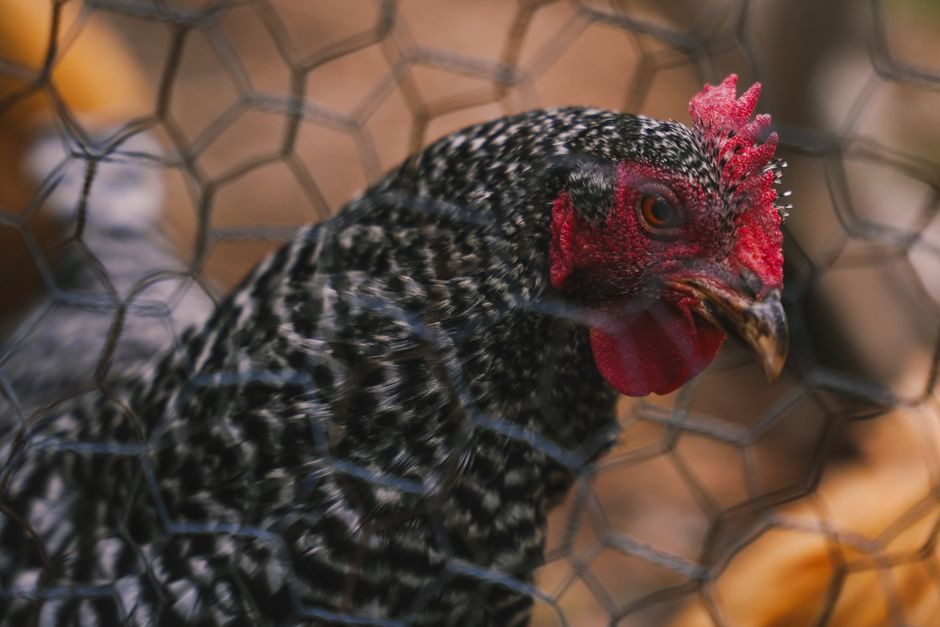
Most chicken-keeping guides treat Plymouth Rocks like a footnote between the flashier heritage breeds. That’s a mistake. After a decade of keeping a rotating flock that’s included everything from temperamental Marans to egg-machine ISA Browns, I keep coming back to Barred Rocks as my baseline recommendation for almost everyone. They’re not the most productive layer, not the prettiest bird, not the one that wins at the fair. But they might be the most reliably livable chicken you can keep in a suburban backyard, and that matters more than most new keepers realize.
The breed itself is American, developed in Massachusetts sometime around the mid-1800s, and the Barred Plymouth Rock was the dominant farm chicken in the United States for most of the early 20th century. That kind of longevity isn’t marketing. It means generations of selection pressure toward calm temperament, decent egg production, edible meat, and the ability to survive a northeastern winter without a heated coop. Those traits didn’t evaporate.
- Barred Plymouth Rocks lay roughly 200-280 large brown eggs per year, peaking in years 1-2.
- Dual-purpose use is real: cockerels dress out at 6-8 lbs live weight by 16-20 weeks.
- Cold-hardy down to -10°F without supplemental heat when the coop is dry and draft-free.
- Hens average 7-8 lbs; roosters 9-10 lbs, making them easy to handle for beginners.
- Expect 18-20 weeks to first egg, slightly slower than production breeds.
What You Actually Get in the Egg Carton
Two-hundred to 280 eggs per year is the honest range. Hatchery stock from Cackle or McMurray tends to hit the upper end of that. Heritage-line birds from smaller breeders, especially if they’re breeding for the show standard, often land closer to 200 or a bit under. I ran a small side-by-side one year with four hatchery Barred Rocks and three heritage-line birds from a local breeder, and the hatchery birds averaged 249 eggs in the first 12 months versus 218 for the heritage pullets. Not a massive gap, but worth knowing if production is your priority.
The eggs are large, consistently shaped, and a warm medium-brown. Shell quality is good through the second year, then starts to thin a bit, same as most breeds.
One thing nobody tells you: Barred Rock hens go broody less often than breeds like Orpingtons or Cochins, but they’re not broodiness-proof. I’ve had hens who never went broody in three years and one who went broody twice in a single season and turned into a feathered goblin about it. It’s individual, not predictable from the breed description.
The Seven Color Varieties (and the One That Actually Matters)
Plymouth Rocks come in seven American Poultry Association-recognized varieties: Barred, White, Buff, Partridge, Silver Penciled, Columbian, and Blue. The Barred is roughly 90% of what you’ll find available, and the others are specialty territory. White Rocks see some use in commercial broiler programs as the maternal line in Cornish Cross crosses, which is why hatcheries sometimes carry them. Buff Rocks are genuinely pretty birds but harder to source. The others are mostly for exhibitors.
If someone’s selling you “Plymouth Rocks” and they’re not Barred, ask specifically what you’re getting. The temperament profile I’m describing here is drawn from Barred and White Rock experience. I can’t speak with confidence to Partridge or Silver Penciled lines because I haven’t kept them long-term.
Breed Comparison: Where Rocks Sit Against the Competition
3 BEST CHICKEN BREEDS | Backyard & Family Flocks | Favorite Poultry Varieties For Beginners | Chicks · Oak Abode on YouTube
This is where it helps to just put the numbers side by side.
| Breed | Annual Eggs | Egg Size/Color | Temperament | Cold Hardy | Dual-Purpose |
|---|---|---|---|---|---|
| Barred Plymouth Rock | 200-280 | Large, brown | Calm, curious | Excellent | Yes |
| Rhode Island Red | 250-300 | Large, brown | Can be assertive | Good | Marginal |
| Buff Orpington | 180-220 | Large, brown | Very docile | Good | Yes |
| ISA Brown | 280-320 | Large, brown | Friendly | Moderate | No |
| Black Australorp | 250-300 | Large, brown | Calm | Good | Marginal |
| Delaware | 200-260 | Large, brown | Calm | Good | Yes |
| Easter Egger | 180-240 | Medium, blue/green | Variable | Good | No |
Current as of July 2026, based on hatchery-reported production data and keeper surveys from BackyardChickens.com community threads.
The ISA Brown lays more eggs, full stop. If max egg production is your only metric, get ISA Browns. But they’re a hybrid that burns out faster (often declining sharply after 18-24 months), doesn’t go broody reliably enough to hatch replacements, and isn’t worth processing for meat. Plymouth Rocks don’t have any of those limitations.
Rhode Island Reds are the other common comparison. RIRs lay about the same or slightly more, but production-line RIR roosters are notoriously aggressive. If you’ve got kids or you’re a beginner, a Barred Rock rooster is a much safer starting point.
Coop and Space Requirements
The standard guidance is 4 square feet per bird inside and 10 square feet per bird in the run. For Plymouth Rocks, I’d call that a floor, not a target. These are large birds. An 8x8 coop that “fits” 16 chickens by that math is going to feel crowded with Barred Rocks, especially through a long winter when they’re spending more time inside.
I run mine at roughly 6-7 square feet per bird indoors, and the difference in behavior is noticeable. Less pecking, less feather pulling, less general chicken misery.
Roost height matters with heavier breeds. Plymouth Rocks need roosts they can reach without acrobatics, ideally no higher than 24-30 inches. I’ve had hens injure their feet landing awkwardly from a 4-foot roost in a coop I designed before I knew better. Lower is fine. They don’t need to feel like they’re roosting in a tree.
Nesting boxes: one box per 4-5 hens is plenty. Barred Rocks aren’t dramatic about nesting preferences, but they will all decide to use the same two boxes regardless of how many you provide. Premier 1 Supplies makes nesting pads that hold up well and cut down on egg breakage, which I’ve been using in my current coop for about two years now.
Feeding Through the Seasons
Layer feed at 16% protein handles most of the year. Bump to a 18-20% feed (or supplement with black soldier fly larvae) during molt, because Barred Rocks are a heavy-feathered bird and regrowing all that takes protein they’re not putting into eggs. I made the mistake early on of keeping them on plain 16% layer right through a hard October molt and ended up with hens that took almost 14 weeks to come back into production instead of the usual 8-10.
Scratch grains are a treat. I know some keepers who use them as a primary winter feed supplement to generate body heat, and there’s logic to that, but don’t let scratch exceed 10% of diet or you’ll see protein deficiency over time, especially in winter when the birds can’t forage.
Free-range Plymouth Rocks are good foragers. Not as manic about it as Leghorns, who will strip your yard in a summer, but they’ll cover ground methodically and find bugs, seeds, and the occasional unlucky frog. That foraging behavior is one of the things I genuinely like about the breed. They’re engaged and curious without being flighty.
Predator Considerations Specific to This Breed
Barred Rocks are calm, which reads as “easy prey” to a fox or a hawk. They don’t have the paranoid edge that keeps some flighty breeds alive longer in a free-range situation. I lost two hens to a red-tailed hawk in a single afternoon years ago before I added overhead netting. That’s not unique to the breed, but calm birds don’t take cover as fast.
Hardware cloth instead of chicken wire. Always. Chicken wire keeps chickens in. It does not keep predators out. A raccoon can reach through standard chicken wire openings without effort, and I’ve seen coon-pulled injuries that you don’t want to think about. 1/2-inch hardware cloth on every opening, buried 12 inches underground at the perimeter if you can manage it. This is the single highest-value infrastructure investment in chicken keeping, and it’s non-negotiable.
Sources
- [American Poultry Association, Standard of Perfection (current edition)]: Official breed standards for all Plymouth Rock varieties, including Barred, White, and Buff.
- [Cackle Hatchery breed data (2025-2026)]: Production estimates, temperament ratings, and availability for Plymouth Rock varieties.
- BackyardChickens.com community breed reviews: Aggregated keeper experience across thousands of documented flocks.
- [Storey’s Guide to Raising Chickens, Gail Damerow (4th edition)]: Dual-purpose breed management, molt nutrition, and coop design reference.
- [USDA NASS Poultry Production Data]: Historical context on Plymouth Rock’s role in 20th-century American egg and broiler production.
Photo: Emma Cate via Pexels