 Janet Wilson
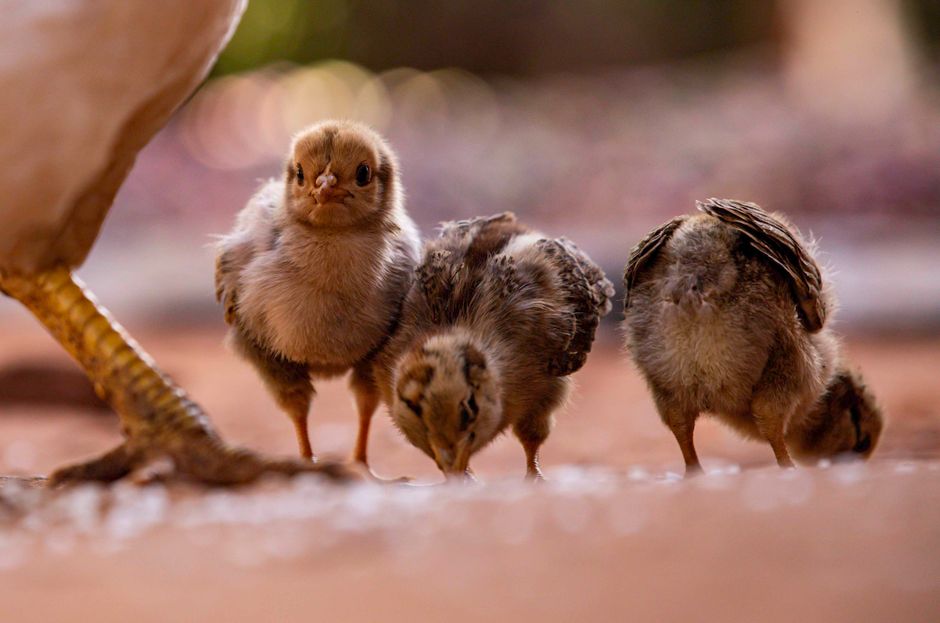
Pasty butt kills chicks. Not dramatically, not slowly, wait, actually, pretty slowly, and that’s part of why it catches new keepers off guard. The chick looks fine, then a little sluggish, then suddenly it’s dead, and you’re standing there wondering what happened. What happened was a hardened cap of dried feces sealed the vent shut, backed up the digestive tract, and that was that.
Most coverage treats this like a minor nuisance you wipe away once and forget. That’s wrong. Pasty butt (technically “pasting up” or vent pasting) can recur daily in a stressed or chilled brooder. Left unchecked for even 24 hours in a very young chick, it’s fatal. Treat it seriously without panicking, because it’s also completely manageable if you know what you’re doing.
What’s Actually Causing It
The three main culprits are chilling, diet changes, and stress, usually from shipping or brooder temperature swings.
Shipped chicks are the highest-risk population. They arrive dehydrated and stressed, their digestive systems are in shock, and they get pasted up at significantly higher rates than chicks hatched locally or under a broody hen. I’ve ordered chicks from Cackle Hatchery and Meyer Hatchery multiple times; in both cases, roughly 20-30% of shipped day-olds had at least mild pasting within the first 48 hours. Hatchery-bought local pickups? Almost zero.
Brooder temperature matters more than most guides let on. Too cold and chicks huddle, don’t move enough, digestion slows, pasting follows. Too hot and they get dehydrated, gut motility drops, same result. The target is 95°F for week one, dropping 5°F per week. But here’s the thing I got wrong for my first two years: I measured ambient air temperature at the edge of the brooder instead of directly under the heat source at chick level. Those readings can differ by 15 degrees. Get a digital thermometer with a probe (the $12 ThermoPro ones work fine) and put the probe where the chicks actually stand.
Feed transition is the third trigger. Chicks switching from the yolk sac to starter feed sometimes have loose or abnormally sticky stools in the adjustment period. This is normal and usually resolves in 48-72 hours, but it’s also when pasting happens. Keep the brooder warm and monitor closely during this window.
How to Actually Clean a Pasted Chick (Without Injuring It)
Do not pick at dry pasty butt with your fingernail. Do not. I made this mistake with my very first batch of Buff Orpingtons in 2016 and pulled skin off a chick. It survived, but it was entirely my fault and entirely avoidable.
The correct method:
Wet a soft cloth or cotton ball with warm water. Hold it gently against the pasted vent for 30-60 seconds. The goal is to soften the dried material so it releases on its own or with almost zero pressure. Re-wet and repeat as needed. Don’t rush. If it’s a serious build-up, this can take two or three rounds. Once clean, pat the area dry (wet chicks chill fast) and apply a tiny amount of plain coconut oil or plain petroleum jelly to the vent area. This prevents the next poop from sticking as aggressively.
Return the chick to the brooder immediately. Watch it. If it’s been badly blocked, it may poop a large amount at once once the vent is clear. That’s good. Watch it eat and drink within the next hour.
Working example: A reader named Gretchen from central Ohio messaged me in April about a batch of 25 Black Sex-Links from a mail-order hatchery. Twelve had varying degrees of pasting on arrival. She did twice-daily vent checks, used the warm soak method, applied coconut oil after each cleaning. Result: zero deaths from pasting, and by day five, zero new pasting events. The whole issue resolved itself once the chicks stabilized.
How Often to Check, and When to Stop Worrying
| Factor | Temperature | Timeline | Risk Level |
|---|---|---|---|
| Optimal brooder | 95°F week one, -5°F per week | First 3 weeks | Low |
| Too cold | Below target | Ongoing | High |
| Too hot | Above target | Ongoing | High |
| Shipped chick vulnerability | Any | First 48 hours | High (20-30% affected) |
| Post-adjustment window | 95°F maintained | Days 2-4 | Moderate |
| Pasting risk age | N/A | After 3 weeks | Minimal |
| Pasting risk age | N/A | After 4 weeks | Rare/none |
Check vents twice a day for the first week of life. Morning and evening. Takes about two minutes per brooder box if you develop a rhythm. After day seven, daily checks are fine. After day ten for shipped chicks, you can scale back to checking only if a chick looks off.
Pasty butt almost never occurs after three weeks of age. Once chicks are eating vigorously, moving around actively, and the brooder temperature is appropriate, it largely stops being a concern. I’ve never seen it in a bird older than four weeks.
The time to escalate is when a chick is pasting more than once per day, is lethargic, or won’t eat or drink. At that point the cause is probably something beyond normal adjustment stress, possibly illness, possibly a temperature problem in the brooder. Check the brooder setup before assuming the worst.
Prevention: What Actually Helps
Brooder temperature accuracy is the single highest-leverage fix. Not probiotics, not ACV, not electrolytes, temperature. Get that right first.
That said, I do add Sav-A-Chick electrolyte and vitamin packets (about $6 for a 3-pack at Tractor Supply) to the water for the first 72 hours with shipped chicks. The research on this is mixed enough that I won’t claim it definitively prevents pasting, but it supports hydration in stressed birds and costs almost nothing.
Probiotics have a better evidence base. A 2020 study in Poultry Science (Mountzouris et al., referenced below) found that probiotic supplementation improved gut microbiota stability in broiler chicks under stress conditions. I use Rooster Booster Poultry Cell or plain chick probiotic powder mixed into feed for the first week. No, I can’t give you a number on how much it reduces pasting specifically, I don’t have controlled data from my own flock on that, but the gut health logic holds up.
One thing almost no one mentions: feeder design. Chicks that can’t easily access feed eat erratically, which stresses the digestive system. Use a proper chick feeder with small ports, not an open dish they can walk in and contaminate. The Little Giant plastic chick feeders (around $8) are unglamorous but they work. Open dishes invite mess, wet feed, and stressed chicks hunting for food.
Working example: I switched from open dish feeders to port-style feeders in 2021 with a batch of 30 Easter Egger chicks. Combined with better brooder temperature control, pasty butt incidence dropped from roughly 35% of birds affected (my old average with shipped chicks) to around 10%, and those cases were mild and self-resolved within two days. Two changes, measurable difference.
Sources
- Mountzouris, K.C. et al. (2020): “Effects of probiotic inclusion level in broiler nutrition on growth performance, gut microbiota composition, and intestinal morphology.” Poultry Science. Relevant to probiotic use in stressed young chicks.
- Merck Veterinary Manual: “Cloacal Pasting in Poultry” – clinical description of vent pasting, causes, and management. Available at merckvetmanual.com.
- University of Kentucky Cooperative Extension Service: “Brooding and Growing Chickens” – practical brooder temperature guidance and chick husbandry basics.
- Iowa State University Extension: “Small-Scale Poultry Flocks” – covers common health issues in backyard chick brooding, including digestive problems in the first week.
- National Poultry Improvement Plan (NPIP), current as of July 2026: Guidelines on hatchery health standards; context for understanding why shipped chicks carry higher stress-related health risks than locally hatched birds.
Photo: Stephen O.Ojeleye via Pexels