 Janet Wilson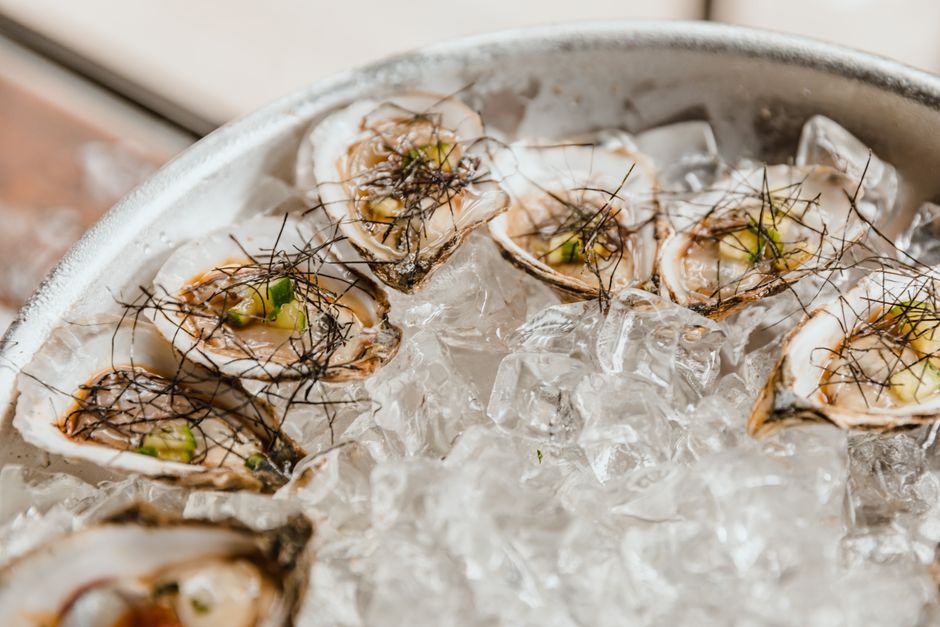
You crack open an egg from your backyard flock and the shell crumbles in your fingers before you can even get it into the pan. Thin, fragile eggshells are one of the most common complaints among backyard chicken keepers, and there’s almost always the same culprit: calcium deficiency. The fix? Oyster shell. It’s cheap, it’s simple, and it works, yet a surprising number of chicken owners either skip it entirely or get it wrong.
What Is Oyster Shell and Why Do Chickens Need It?
Oyster shell is crushed shells from oysters, processed into small, gritty pieces. You’ll find it at most feed stores and online, sold in 5-pound bags up to 50-pound sacks. The active ingredient is calcium carbonate, which makes up about 96% of the product.
Here’s the calcium math: each egg contains roughly 2 grams of calcium in the shell alone. A laying hen needs around 4 grams daily to produce properly formed eggs. Standard layer feed typically supplies 3.5 to 4 grams, but that drops when hens eat inconsistently, when feed quality varies, or when production is high. A Leghorn or ISA Brown laying 300-plus eggs a year puts enormous strain on calcium reserves.
When dietary calcium falls short, the hen’s body pulls it from her own bones. This isn’t theoretical. You end up with a flock producing eggs while slowly depleting skeletal calcium, which leads to brittle bones, mobility problems, and a condition called “cage layer fatigue”, even in free-range birds. Oyster shell is the safety net that stops this from happening.
One thing people constantly mix up: oyster shell isn’t the same as grit. Grit is insoluble (usually granite or flint) and stays in the gizzard to grind food. Oyster shell is soluble and gets absorbed as a nutrient. They serve completely different purposes, and understanding grit for chickens separately will save you confusion.
Signs Your Hens Are Calcium Deficient
Thin shells are obvious, but calcium deficiency shows up in other ways too.
Thin or soft shells. Eggs that crack easily on the counter, flex when you hold them, or have a papery texture. You might see pits or rough spots on the surface.
Shell-less eggs. These “rubber eggs” have the membrane but no hard shell. One soft egg isn’t a crisis. If it’s happening more than once or twice a week from the same bird, calcium is almost certainly the problem.
Egg eating. Hens sometimes break and eat their own eggs. While this can become a behavioral habit, it often starts because thin shells crack accidentally and the hen discovers the yolk inside. Weak shells invite the problem.
Lethargy or lameness. Advanced calcium deficiency shows up in movement, not just eggs. A hen moving stiffly, reluctant to walk, or spending unusual time sitting may have depleted bone calcium.
Decreased production. Calcium-stressed hens often reduce laying. Their bodies protect themselves by producing fewer eggs rather than continuing to strip bone calcium.
If you’re seeing any of these in your flock, audit what you’re feeding overall. Our chicken feed types explained guide is a good place to start before adding supplements.
How to Feed Oyster Shell: A Step-by-Step Approach
8 Beginner Chicken Care Mistakes To Avoid | Backyard Chickens 101 | Egg Laying Hens and Chicks · Oak Abode on YouTube
The good news: this is genuinely simple. The best approach for most backyard flocks is free-choice supplementation. You offer it separately so each hen can self-regulate her intake.
Step 1: Get a dedicated container. A small hanging feeder, a rubber dish, or even a recycled plastic container works. Keep it separate from main feed. I’ve used everything from a clip-on rabbit feeder to a ceramic flower pot saucer with good results.
Step 2: Place it somewhere accessible. Put it inside the coop or in a covered section of the run where it won’t get soaked by rain. Wet oyster shell can clump and grow mold.
Step 3: Fill it and leave it. Don’t mix it into the feed unless you have a specific reason to. When mixed, some hens eat too much and others get none. Free-choice lets each bird take what she needs.
Step 4: Replenish when it runs low. Check every few days. A small flock of 4-6 hens might go through half a cup a week during peak laying. Heavy layers consume more.
Step 5: Keep roosters in mind. If you have males, don’t stress about them eating oyster shell. They’ll typically ignore it. But if you’re concerned, use a feeder that requires hens to reach up slightly, roosters are less likely to do this by habit.
Step 6: Don’t stress about exact amounts. The self-regulating system works because hens are surprisingly good at sensing what their bodies need. A hen in peak lay eats more oyster shell than one taking a winter break.
Coarse oyster shell is available from most farm supply stores and online retailers. A 50-pound bag typically costs $15 to $25 and lasts a small flock most of the season. (Disclosure: we may earn a small commission on Amazon purchases.)
Oyster Shell vs. Crushed Eggshells: Which One Wins?
| Feature | Oyster Shell | Crushed Eggshells |
|---|---|---|
| Calcium content | ~96% calcium carbonate | ~90-95% calcium carbonate |
| Particle size control | Consistent (coarse or fine) | Variable unless processed |
| Cost | Low ($0.30-0.50/lb) | Free |
| Disease risk | None | Potential if not heated |
| Egg-eating association | None | Possible if shells recognized |
| Availability | Year-round from stores | Depends on your usage rate |
| Solubility | Excellent | Good |
A lot of backyard keepers ask whether they can just save and feed back their own eggshells instead of buying oyster shell. It’s fair to ask, and the answer is: yes, with conditions.
| Feature | Oyster Shell | Crushed Eggshells |
|---|---|---|
| Calcium content | ~96% calcium carbonate | ~90-95% calcium carbonate |
| Particle size control | Consistent (coarse or fine) | Variable unless processed |
| Cost | Low ($0.30-0.50/lb) | Free |
| Disease risk | None | Potential if not heated |
| Egg-eating association | None | Possible if shells recognized |
| Availability | Year-round from stores | Depends on your usage rate |
| Solubility | Excellent | Good |
Crushed eggshells can work as a calcium supplement, but you need to prepare them properly. Rinse the shells, bake them at 250°F for about 10 minutes to kill bacteria, and crush them finely enough that hens don’t associate them with whole eggs. Coarsely broken shells that still look like eggs can encourage egg eating. The baking step kills any Salmonella traces and removes the smell.
For most people with small flocks, buying oyster shell is just easier and more reliable. But if you have a large flock producing plenty of shells, combining both is a reasonable approach.
When to Start, When to Stop, and Special Circumstances
Sources
Most hens start laying between 18 and 24 weeks old, depending on breed. Have oyster shell available by the time pullets approach laying age, usually around 16-18 weeks for faster-maturing breeds. There’s no harm in offering it earlier, but they won’t really need it until production begins.
During molt. When hens go through their annual molt, they stop laying and calcium needs drop significantly. Some keepers remove the oyster shell during molt, but leaving it available doesn’t cause harm, hens simply stop eating as much. I’ve found it easier to just leave it out year-round.
Older hens. As hens age past 3-4 years, shell quality often declines naturally. Extra calcium can help, but it won’t fully reverse age-related changes to the shell gland. Manage expectations here.
High-production breeds. Leghorns, Golden Comets, and ISA Browns bred for extraordinary egg output benefit more noticeably from oyster shell than heritage breeds with moderate production. Our best egg laying chickens guide covers these high-output breeds in more detail.
Hot weather. Hens often reduce feed intake during heat waves, which means less calcium from layer feed. Keeping oyster shell available becomes even more important in summer.
Broodies and chicks. Don’t give oyster shell or high-calcium supplements to chicks under 16 weeks. Their kidneys aren’t equipped to handle the calcium load. Use chick starter, which has age-appropriate calcium levels. Once they transition to layer feed, add oyster shell on the side.
Oyster shell isn’t glamorous, but it’s one of the simplest and most effective things you can do for a laying flock. A properly stocked oyster shell feeder costs almost nothing to maintain, takes ten seconds to refill, and can be the difference between beautiful, strong-shelled eggs and a frustrating parade of cracked disasters.
Photo: RDNE Stock project via Pexels