 Janet Wilson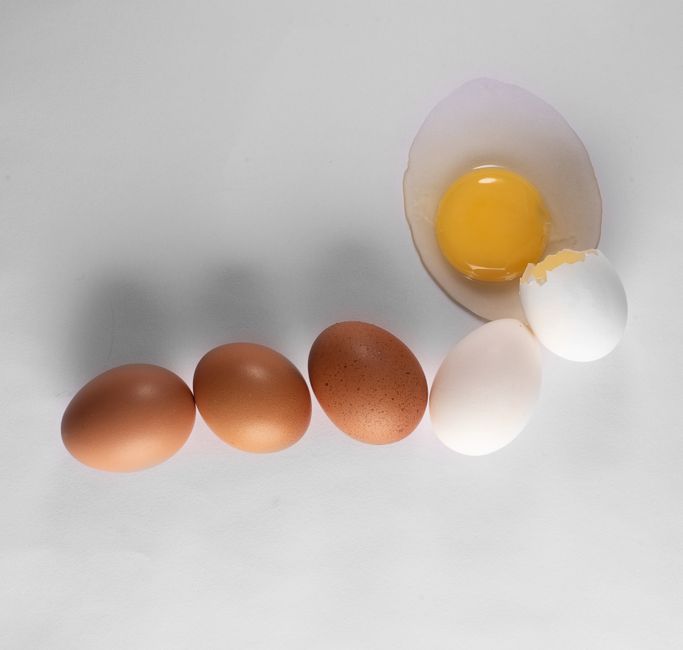
If you cracked a dozen eggs from your neighbor’s backyard flock this morning and handed over $5, you probably didn’t think twice about the word “local” on the carton she scrawled with a Sharpie. But starting January 1, 2026, that informal claim got a lot more weight behind it, and a lot of commercial competitors just lost ground they didn’t even know they were standing on.
The USDA’s tightened “Product of USA” rule is now in active enforcement. For decades, importers could slap that label on eggs and poultry simply by doing the final processing step on American soil, even if the birds were hatched and raised overseas. That loophole is gone. As of this year, the label only applies to animals born, raised, slaughtered, and processed entirely in the United States. If you hatched your Buff Orpingtons from a domestic hatchery, raised them in your backyard in Ohio or Georgia, and collected eggs this morning, you are, for the first time, formally on the right side of a labeling rule that actually means something. The commercial guys playing shell games with foreign-sourced birds can’t say the same thing anymore.
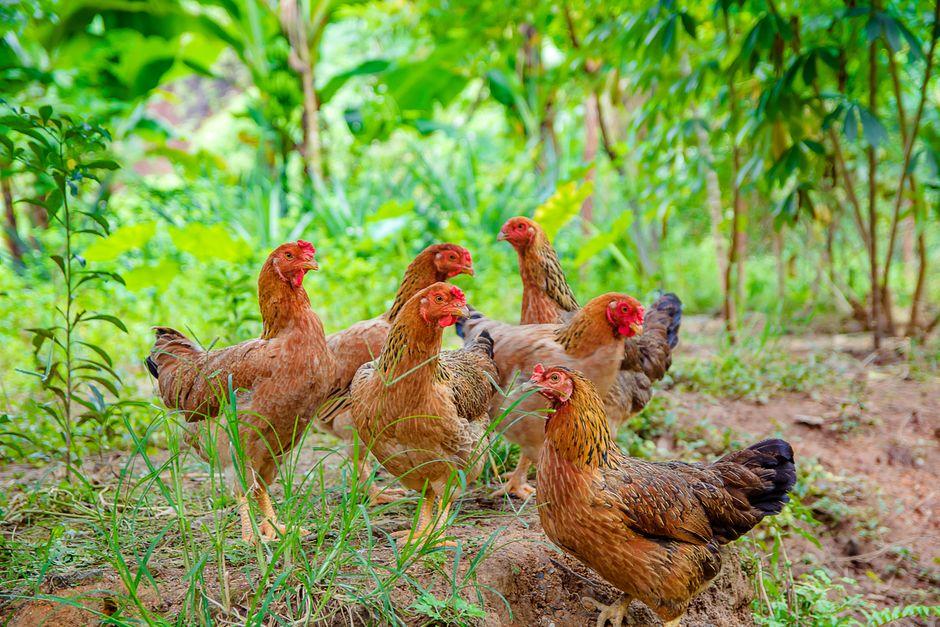
That matters right now because people are paying attention. Retail egg prices crashed back down to $2.19 per dozen by May 2026, off the gut-punch high of $6.23 per dozen in March 2025, according to reporting from Yahoo Life. You’d think that would cool interest in backyard flocks. It hasn’t. Google Trends data shows searches for “backyard chickens” and “how to build a chicken coop” surging again in 2026. Eleven million U.S. households now keep chickens, with roughly 85 million birds total as of a 2024 study. People aren’t keeping flocks to compete with Walmart. They’re keeping them because they actually want to know what they’re eating.
- USDA's "Product of USA" rule, enforced since January 1, 2026, now requires hens be born, raised, and processed entirely in the U.S.
- Retail egg prices fell to $2.19/dozen by May 2026, down from a record $6.23/dozen in March 2025.
- An estimated 11 million U.S. households now keep backyard chickens, with 85 million birds total as of 2024.
- Maine's 2025 law created a statewide right to keep hens, driving a new wave of first-time keepers in 2026.
- Backyard flock keepers who hatch domestic chicks now hold a legitimate labeling advantage over some industrial competitors.
What the Rule Actually Changed, and Why It Matters to You
Here’s what most people don’t realize: the old “Product of USA” claim was essentially unenforceable in any meaningful way. Processors had enormous flexibility. A bird hatched in Chile, raised in Mexico, and packed in a U.S. facility could legally carry an American flag on the carton. The USDA’s revision, which was finalized and took effect January 1, 2026 per coverage from Backyard Poultry magazine, closes that gap completely. Born here. Raised here. Processed here. All three boxes have to be checked.
For backyard keepers buying chicks from hatcheries like Meyer Hatchery in Ohio or McMurray Hatchery in Iowa, both domestic operations, this is a genuinely straightforward compliance win. You were already doing it right. The rule is just now catching up to you.
What this does not mean: you’re going to start printing official USDA labels and selling eggs at the grocery store. The rule governs commercial labeling. But the conversation it enables is real. If you’re selling at a farmers market, supplying a small restaurant, or just talking to your neighbors, you can now point to a federal standard and say, honestly, that your eggs meet a traceability requirement that some commercially sold eggs don’t.
The Price Crash Didn’t Kill the Flock-Keeping Boom
Retail dropping to $2.19 a dozen does create a real question: is there any financial argument left for backyard eggs? Honestly? The math was never the primary reason most people did this, and the Yahoo Life piece from July 1, 2026 makes that case plainly. Feed, bedding, waterers, coop repairs, veterinary costs for a sick hen, all of it adds up fast. Most small flocks don’t break even on egg production alone.
But here’s a comparison worth looking at honestly:
| Factor | Commercial Carton ($2.19/dozen) | Backyard Eggs (home flock) |
|---|---|---|
| Labeling transparency | Often vague or misleading | Born/raised on-site, fully traceable |
| “Product of USA” eligibility | Varies, some do not qualify | Qualifies if chicks from U.S. hatchery |
| Feed control | Unknown inputs | You choose: layer pellets, corn, scratch |
| Yolk quality | Pale yellow typical | Deep orange common with pasture access |
| Cost per dozen (estimated) | $2.19 retail | $3-$7+ depending on flock size and feed |
The backyard flock doesn’t win on price. It wins on every other column. And with the labeling rule now backing that up formally, the transparency argument just got harder to dismiss.
Maine Opened the Door. Other States Are Still Arguing About It.
One of the more interesting policy stories driving new flock owners this year is Maine’s 2025 law establishing a baseline statewide right to keep backyard hens, even in municipalities that previously banned them. The Bangor Daily News covered the impact in February 2026, noting a new class of first-time chicken keepers celebrating the expanded access. It’s a meaningful shift because zoning battles have historically been the single biggest barrier for suburban keepers. If the town says no, a good coop design doesn’t matter.
Meanwhile, Kingsburg, California shows how uneven this still is. On July 15, 2026, the city council voted to table and revise a proposed ordinance that would have allowed residents to keep up to five backyard hens, according to Mid Valley Times coverage from July 21, 2026. Five hens. Still being debated. That’s the reality in a lot of smaller cities right now, one council vote away from yes or no, and that vote can swing on one or two opinionated neighbors showing up to a meeting.
I’ve seen people invest $800 in a beautiful coop and then discover their HOA or city code makes the whole thing illegal. Check your local ordinances before you buy a single chick. Maine’s law is a model. Most states aren’t there yet.
The Conversation You Can Now Have at the Farmers Market
Here’s the practical upside for anyone already selling eggs locally or thinking about it. The USDA rule gives you a real talking point that isn’t just vibes. You can explain, accurately, that commercial “Product of USA” labels were often applied to eggs from birds with no verified domestic origin, and that your eggs don’t have that problem because your hens never left your property.
That’s not a marketing spin. It’s a factual distinction backed by federal labeling standards. Customers who care about food sourcing, and there are a lot of them, respond to specifics. “My hens are Black Australorps from a hatchery in Ohio, they’ve been on this property since March, and they eat a 16% layer pellet plus whatever they scratch up in the yard” is a story that $2.19 cartons from a warehouse in New Jersey genuinely cannot match.
The label rules don’t make backyard eggs automatically profitable. They do make the honest conversation easier to have.
The flock-keeping wave isn’t slowing down, egg prices at $2.19 notwithstanding. If you’re already in it, the regulatory ground just shifted in your favor. If you’re thinking about starting, this is a reasonable moment to take the question seriously, check your local ordinances first, get your chicks from a domestic hatchery, and understand what you’re actually getting into before you build anything.
Sources
- 2026 USDA Poultry Rule Changes – Backyard Poultry (May 27, 2026)
- New USDA Meat, Poultry, and Egg Product Labeling Standards Take Effect January 1, 2026 – Dailyfly News (December 30, 2025)
- Raising Backyard Chickens Won’t Guarantee a Profit – Yahoo Life (July 1, 2026)
- Backyard Chickens for Everyone: Maine’s Expanded Access – Bangor Daily News (February 6, 2026)
- Kingsburg Continues Backyard Chicken Consideration – Mid Valley Times (July 21, 2026)
Photo: BlvckArt Studio via Pexels