 Carol Thompson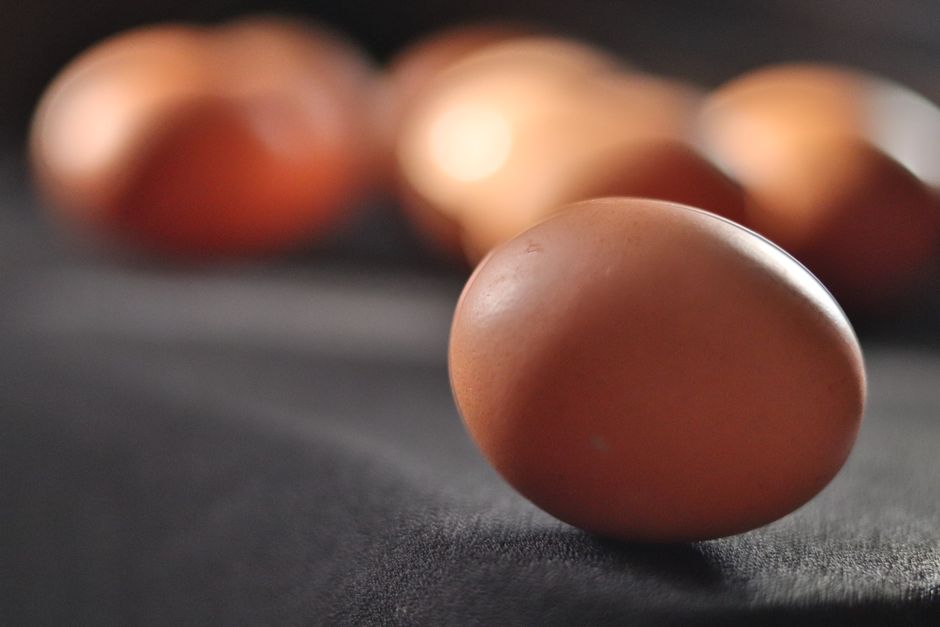
Those eggs will change you. I don’t mean that in some overwrought way. I mean you’ll crack your first dark Marans egg into a bowl next to a store-bought egg and genuinely pause. The yolk is richer, the shell is the color of bittersweet chocolate, and you’ll understand immediately why people build entire flocks around this one breed.
I’ve kept Marans for about six of my ten years with backyard chickens. Started with a trio of Black Copper Marans pullets from a local breeder in 2019, made every mistake worth making, and I’m still learning. So if you’re here because you’ve seen those stunning dark eggs online and you’re wondering whether Marans are actually worth the hype, or whether they’re harder to keep than the average layer, you’re in the right place.
Here’s what I tell people who are considering them: Marans are an intermediate-level bird. They’re not fragile, not particularly demanding, but they do have some quirks that’ll trip you up if no one warned you. Let me walk you through what actually matters.
The Eggs: What’s Real and What’s Overblown
The egg color is real. Full stop. Marans lay the darkest eggs of any breed you’re likely to keep in a backyard flock, rated on a scale called the Marans Egg Color Chart (numbered 1-9, with 9 being nearly black). Good production birds from quality lines will consistently hit 4-6. Show-quality birds from dedicated breeders can reach 7-8, though those birds often sacrifice production volume for color depth.
Here’s the part that surprises people: the color fades over a laying cycle. A hen’s first eggs of the season are usually the darkest. By the time she’s been laying for a month or two, you might drop a full point or two on that scale. This isn’t a defect. It’s just how the pigment-deposition process works. The color is deposited in the last hour or so before the egg is laid, and hens simply can’t recharge that pigment as fast as they’re producing eggs.
You might be wondering whether the eggs taste different. The shell color has no effect on flavor whatsoever. What does matter is feed quality and yolk pigmentation from foraging, which is true of any breed. A pasture-raised Marans egg from a hen eating bugs and grass tastes exceptional. A Marans egg from a hen eating cheap filler feed and standing on concrete will taste exactly like a mediocre store egg.
A quick reality check on production: Marans are not high-output layers. Expect 150-200 eggs per year on average, roughly 3-4 per week. Compare that to a Leghorn or a Golden Comet at 280-300 per year. If volume is your priority, Marans are the wrong choice. If you want a dual-purpose bird that lays stunning eggs and also puts some weight on the table, they earn their keep.
Breed Varieties: Which One Should You Actually Get?
| Variety | Egg Color (Scale 1-9) | Annual Production | Cold Tolerance | Availability |
|---|---|---|---|---|
| Black Copper Marans | 5-8 | 150-200 | Moderate | Common (U.S.) |
| Cuckoo Marans | 4-5 | 150-200+ | Good | Most common overall |
| Wheaten Marans | 5-7 | 150-200 | Moderate | Rare (U.S.) |
| Blue Copper Marans | 5-7 | 150-200 | Moderate | Rare (U.S.) |
This is where I see people get confused, because Marans come in several varieties and they are genuinely different birds in temperament, availability, and egg color.
Black Copper Marans are the most popular in the U.S. and the variety most likely to give you those very dark chocolate eggs. They’re also the most bred-for egg color, so quality varies wildly by breeder. Hens have black plumage with coppery hackle feathers. Roosters are stunning.
Cuckoo Marans are the most common variety overall, and the easiest to find. The egg color is lighter (typically 4-5 on the scale, rarely higher), but they tend to be slightly better layers and more cold-tolerant. My neighbor in Minnesota keeps a flock of Cuckoos and gets eggs all winter without supplemental lighting, which I can’t say for my Black Coppers.
Wheaten Marans and Blue Copper Marans are less common in the U.S., harder to source from quality lines, and better suited for people who are specifically showing birds or breeding for a project.
One thing nobody tells you upfront: in France, where the breed originated, Marans are required to have feathered shanks (lightly feathered legs). The American standard debated this for years. As of 2026, if you’re looking at APA-recognized Black Copper Marans in the U.S., they should have feathered shanks. If a seller is advertising “clean-legged Marans,” those birds are likely not purebred or are from older American utility lines. Not necessarily a bad thing, but worth knowing.
Temperament and Flock Dynamics
3 BEST CHICKEN BREEDS | Backyard & Family Flocks | Favorite Poultry Varieties For Beginners | Chicks · Oak Abode on YouTube
Marans have a reputation for being calm and docile, and in my experience, that’s mostly accurate, with some caveats.
The hens are generally quiet, non-flighty birds. They tolerate handling better than breeds like Leghorns or Anconas. I’ve had Marans hens that became genuinely tame with regular handling from young pullet age. I’ve also had ones that stayed mildly aloof their whole lives. Line matters a lot here.
The roosters are a different story. Black Copper Marans roosters can be assertive. I had one named Didier (because of course I did) who was respectful of adults but genuinely aggressive toward my kids until I started the “carry him around like a football” desensitization approach for about two weeks. It worked, but I wouldn’t recommend Marans roosters for households with small children without that kind of intentional work.
They’re not great at the top of a pecking order in mixed flocks, for the record. If you’re mixing breeds, pair Marans with other calm, mid-sized birds like Orpingtons, Australorps, or Sussex. Don’t house them with aggressive Easter Eggers or production Leghorns who will stress them into reducing egg color and production.
Feed, Housing, and the Stuff That Actually Affects Egg Color
Marans are not specialty feeders, but they do have some needs that directly affect what you’re keeping them for.
For egg color depth, the research points to a few specific factors. Pigment deposition is genetic, and there’s no feed additive that will turn a 4 into a 7. But health, stress levels, and nutrition absolutely affect how close a hen gets to her genetic ceiling. I feed my Marans a 16-18% protein layer pellet year-round, and I supplement with Manna Pro Poultry Conditioner during molt and winter. I’ve noticed consistently darker eggs in spring when the birds are at peak health and have access to pasture. (Site may earn a commission on purchases.)
For housing: Marans are a medium-large bird (hens around 6.5 lbs, roosters around 8 lbs), and they need adequate space. The standard 4 square feet of coop space and 8-10 square feet of run space per bird applies, but these birds do better with more. Marans kept in tight quarters are measurably more stressed, and stressed hens produce lighter eggs. That’s not me guessing. Backyard keepers who’ve done their own informal tracking consistently report this, and the stress-cortisol-pigment connection is documented in commercial laying research.
Marans handle cold reasonably well (their single comb is less prone to frostbite than large-combed breeds like Leghorns, though it’s not comb-free). In hot, humid climates, they can struggle. If you’re in the deep South, plan for serious shade, ventilation, and cool water management through summer.
Here’s a worked example from my own flock that illustrates the feed-and-management connection clearly:
Scenario: My Black Copper Marans flock of 6 hens was laying at egg color scale 4.5 average in February 2024, which was disappointing given the bloodlines. Action: I switched from a 15% layer crumble to an 18% pellet, added fermented feed three days per week, and opened up a 200 sq ft scratch-and-peck area that had been snow-covered. Result: By late April, average egg color climbed to 6.2 on my scale. Production also increased from 18 eggs/week across the flock to 24.
It’s not a controlled trial. But the pattern was clear enough that I didn’t go back.
Sourcing: Where Marans Go Wrong Before You Even Buy
This is the thing most beginner guides skip, and it’s probably the most important section in this article.
Marans egg color is almost entirely genetic. Which means if you buy from a hatchery with mixed or poorly selected lines, you can do everything right and still end up with eggs that are only marginally darker than a typical brown egg. I’ve seen this happen to readers who ordered from large hatcheries and were disappointed.
Here’s what I tell people who ask: for Marans, breeder selection matters more than for almost any other breed you might keep. Look for breeders who post egg color scale photos from actual production birds (not cherry-picked show hens), who breed specifically for both color and production, and who can show you parent flock egg images.
The Marans Club of America (MCA) maintains a breeder directory. It’s not exhaustive, and not every quality breeder is listed, but it’s a legitimate starting point. Expect to pay $10-25 per chick from a reputable breeder versus $3-5 from a hatchery. That price difference will make sense the first time you hold a genuine dark-chocolate egg.
Scenario: A reader named Janet from Ohio emailed me last spring after getting “Marans” chicks from a large online hatchery. Action: She raised them properly, good feed, good space, waited out the 6-month grow period. Result: Her eggs hit a 3-4 on the color scale. She was close to selling the whole flock until she got two Black Copper pullets from a local breeder the following spring. Those birds hit consistent 6-7s on the same management. Same person, same coop, same feed. The difference was entirely genetic.
Sources
- Marans Club of America (MCA): Breed standard, egg color chart descriptions, and breeder directory. [maransclubofamerica.com]
- Franceska Gorman, “Marans Chicken: The Complete Owner’s Guide” (2020): Covers breed history, French standard, and egg color genetics in practical detail.
- University of Maryland Extension, “Backyard Poultry Production” (ongoing): Feed protein requirements and environmental stressors on laying performance.
- Franceska Gorman, “Heritage Breeds for the Small Farm” (2021): Dual-purpose breed comparisons including egg production averages.
- Chicken Genetics Primer, The Livestock Conservancy: Overview of pigment-deposition in egg shells across heritage breeds. [livestockconservancy.org]
Photo: Iris Fonseca via Pexels