 Carol Thompson
Most backyard chicken keepers figure out the same thing in their first few weeks: those birds will eat almost anything. A wilted head of lettuce tossed into the run disappears in under two minutes, and suddenly you’re standing at your kitchen counter wondering what else from the compost bucket is fair game. The good news is that kitchen scraps can genuinely supplement your flock’s diet, stretch your feed budget, and give your hens something to stay active and engaged. The catch is that a few common kitchen items can make chickens seriously ill, and some can even kill them. Knowing the difference isn’t complicated, but it does matter.
What Chickens Can Eat From Your Kitchen (The Good List)
The list of safe, beneficial kitchen scraps is long, and most of it is stuff you’d otherwise throw away.
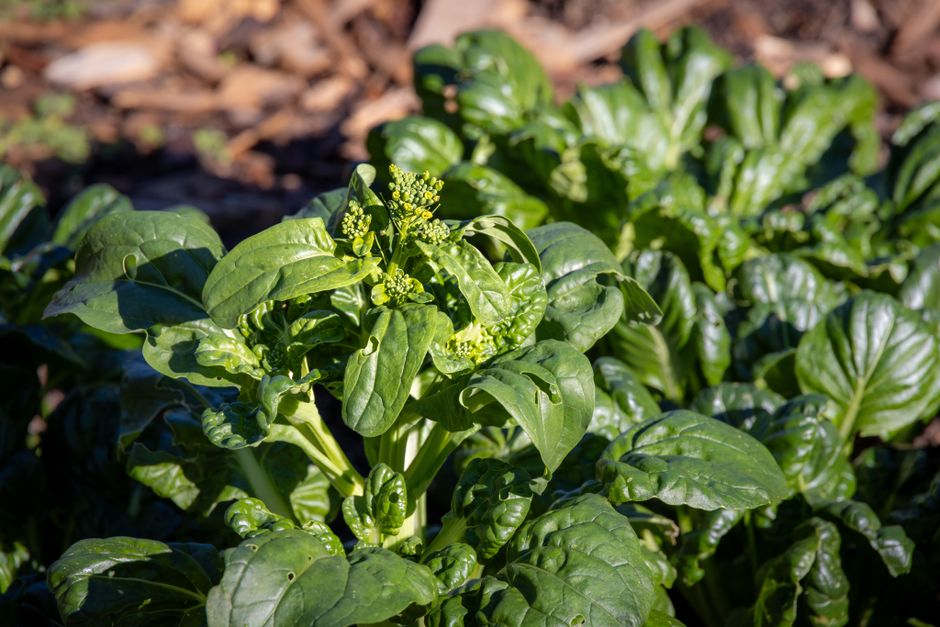
Vegetables and greens are a flock favorite. Cooked or raw, most vegetables are safe. Leafy greens like kale, spinach, chard, and lettuce go fast. Broccoli, cauliflower, and cabbage can be hung from the coop ceiling on a string for entertainment. Carrot peels, squash guts, pumpkin seeds, and corn cobs are all fair game. Cooked sweet potato, beets, and peas are gobbled up quickly. The only vegetable category to avoid is the allium family, which includes onions, garlic, and leeks in large amounts. Small quantities of garlic occasionally are usually fine and some keepers use it as a natural health supplement, but feeding large or frequent amounts of onion can cause hemolytic anemia in chickens.
Fruits are a great treat, especially in summer heat when the high water content helps with hydration. Watermelon, strawberries, blueberries, apple slices (without the seeds), bananas, peaches, and grapes are all popular. Citrus is a gray area. It won’t kill your birds, but many chickens dislike it, and some research suggests high amounts can interfere with calcium absorption. Occasional small amounts are probably fine, but it’s not something to make a habit of.
Cooked grains and starches are genuinely useful. Plain cooked rice, oatmeal, pasta, bread, and cooked potatoes can supplement your flock’s energy intake, especially in winter. Keep portions reasonable since these are calorie-dense but nutrient-poor. A handful per bird is plenty. Avoid heavily salted or seasoned versions.
Protein scraps are where things get interesting. Chickens are not strictly vegetarian animals. In nature, they eat insects, worms, and small lizards without hesitation. Cooked meat, cooked fish, scrambled eggs, hard-boiled eggs, and plain yogurt are all beneficial and high in protein. Egg scraps can feel strange to feed back to your hens, but they won’t recognize cooked egg as eggs, and the protein is excellent, especially during molt.
The No-Go List: Kitchen Scraps That Can Harm Your Flock
A few items on this list might surprise you.
Avocado is the most important one to know. The leaves, skin, and pit contain persin, a toxin that can cause respiratory distress, weakness, and death in chickens. The flesh is generally considered lower risk, but it’s not worth experimenting with when there are so many safer alternatives.
Raw or green potatoes and tomato leaves contain solanine, a glycoalkaloid that’s toxic to chickens. Cooked potatoes are fine. Ripe tomato flesh is fine. But green, unripe tomatoes and the leafy parts of tomato plants should stay out of the run.
Chocolate and anything with caffeine are a hard no. Theobromine and caffeine are toxic to chickens just as they are to dogs and cats.
Salty or heavily processed foods can cause salt toxicity, which leads to excessive thirst, wet droppings, and in serious cases, neurological symptoms. A small piece of plain cracker here and there won’t hurt, but salty chips, cured meats, and seasoned snack foods shouldn’t become regular treats.
Moldy food is something people debate. The thinking is “chickens will just pick around it,” but that’s not reliable. Some molds produce mycotoxins that cause liver damage and immune suppression. Don’t feed anything you wouldn’t eat yourself. If it’s visibly moldy, compost it instead.
Raw dry beans contain phytohaemagglutinin, a lectin that’s extremely toxic to chickens. Even a small number of raw kidney beans can kill a bird. Cooked beans are completely safe.
How to Feed Scraps the Right Way
Feeding scraps is simple, but a few habits make a real difference.
Step 1: Sort before you toss. Keep a small container on your counter and mentally sort as you cook. Vegetable peels, fruit trimmings, leftover cooked grains, and plain cooked meat scraps go in. Onion skins, avocado waste, and moldy bits don’t.
Step 2: Keep portions reasonable. Treats and scraps, including kitchen waste, should make up no more than 10 percent of your flock’s daily intake. The other 90 percent should be a balanced layer feed. If you understand the different types of chicken feed available, you’ll know that commercial layer feed is specifically formulated to give hens the calcium, protein, and vitamins they need for consistent egg production. Scraps add variety but can’t replace that nutritional baseline.
Step 3: Feed fresh and remove leftovers. Don’t leave uneaten scraps in the coop or run overnight. Rotting food attracts rodents and flies, and spoiled food can make birds sick. Give your flock 20 to 30 minutes with scraps, then clean up what’s left.
Step 4: Use a separate feeding spot. Throwing scraps directly onto bare ground can contaminate the soil with bacteria over time. A flat tray, a shallow rubber pan, or even a large flat rock works well and makes cleanup easy. You can find durable poultry feeding trays on Amazon that hold up well in a run environment. (Our site may earn a small commission on purchases.)
Step 5: Offer grit if needed. Chickens that free range pick up small stones naturally. Confined birds need access to insoluble grit to help their gizzard grind down fibrous or starchy foods. If you’re regularly feeding scraps and your birds aren’t ranging, keep a container of chick or hen grit available free-choice.
Quick Reference: Common Kitchen Scraps at a Glance
| Kitchen Item | Safe? | Notes |
|---|---|---|
| Leafy greens (kale, spinach) | Yes | Excellent nutrition, feed freely |
| Cooked rice / pasta | Yes | High carbs, feed in moderation |
| Apple slices | Yes | Remove seeds first |
| Watermelon | Yes | Great summer hydration treat |
| Cooked egg / scrambled egg | Yes | High protein, good during molt |
| Cooked chicken or fish | Yes | Chickens eat meat naturally |
| Plain yogurt | Yes | Probiotics, good for gut health |
| Onions (large amounts) | No | Can cause hemolytic anemia |
| Avocado | No | Contains persin, potentially fatal |
| Raw beans | No | Lectin toxicity, can kill quickly |
| Green/raw potatoes | No | Contains solanine |
| Chocolate | No | Theobromine toxicity |
| Moldy food | No | Mycotoxins cause liver damage |
| Salty snack foods | Avoid | Salt toxicity risk |
| Citrus | Use caution | Small amounts OK, limit frequency |
The Benefits You’ll Actually Notice
| Kitchen Scrap | Safe for Chickens | Notes |
|---|---|---|
| Leafy greens (kale, spinach, chard, lettuce) | Yes | Raw or cooked; fast favorites |
| Broccoli, cauliflower, cabbage | Yes | Can hang on string for enrichment |
| Carrot peels, squash, pumpkin seeds, corn cobs | Yes | Raw or cooked |
| Cooked sweet potato, beets, peas | Yes | Cooked preferred |
| Onions, garlic, leeks | No | Large or frequent amounts cause hemolytic anemia |
| Watermelon, strawberries, blueberries, grapes | Yes | High water content aids hydration |
| Apple slices | Yes | Remove seeds first |
| Citrus | Caution | Occasional small amounts only; may interfere with calcium absorption |
| Cooked rice, oatmeal, pasta, bread, potatoes | Yes | Keep portions to a handful per bird |
| Cooked meat, fish, eggs, yogurt | Yes | Excellent protein source |
| Avocado (leaves, skin, pit) | No | Contains persin toxin; can cause death |
| Raw or green potatoes | No | Contains solanine; cooked potatoes safe |
| Tomato leaves | No | Contains solanine; ripe fruit safe |
| Chocolate, caffeine | No | Toxic to chickens |
| Salty or heavily processed foods | No | Causes salt toxicity |
| Moldy food | No | May contain liver-damaging mycotoxins |
| Raw dry beans | No | Phytohaemagglutinin is extremely toxic; cooked beans safe |
Sources
- Amazon
- suggests high amounts can interfere with calcium absorption
Beyond the obvious perk of reducing food waste, feeding kitchen scraps well has a few real-world payoffs.
Behavior and enrichment are the big ones. Chickens are intelligent birds and get bored in confined spaces. Tossing in a variety of scraps, especially things with different textures like corn cobs, whole grapes, or a halved pumpkin, gives them hours of pecking activity. I’ve seen flocks with regular scrap access show noticeably less feather-pecking and fewer squabbles, simply because they have more to do.
Egg yolk color can actually improve with greens. Hens eating a lot of dark leafy greens and brightly colored vegetables tend to produce eggs with deeper orange yolks. This is because carotenoids in those foods get deposited in the yolk. It doesn’t change the egg’s nutritional profile dramatically, but it’s something many keepers notice and appreciate.
Feed costs do go down, modestly. You’re unlikely to cut your feed bill in half, but if you’re consistent about feeding appropriate scraps, you’ll use less purchased feed over time. For small flocks, this might save $5 to $10 per month. Not life-changing, but not nothing either.
For those just getting started, understanding what your flock can eat is part of a bigger picture. If you’re new to keeping chickens, the Backyard Chickens For Beginners guide covers the essentials of feeding, housing, and flock management in plain language. And if you’re still figuring out which breeds to get, some breeds are notably more food-motivated and adventurous with new treats than others. Breeds like Easter Eggers, Rhode Island Reds, and Australorps tend to be enthusiastic eaters. You can compare options in our rundown of the best egg-laying chicken breeds.
Feeding kitchen scraps to your chickens is one of the most satisfying parts of backyard poultry keeping. You reduce waste, your birds get enrichment and variety, and those eggs can take on a deeper, richer color you’ll actually notice. Keep the no-fly list in mind, stick to the 10 percent guideline, and clean up leftovers promptly. Do those three things and you’ve got a system that works well for both you and your flock for years to come.