 Mike Carter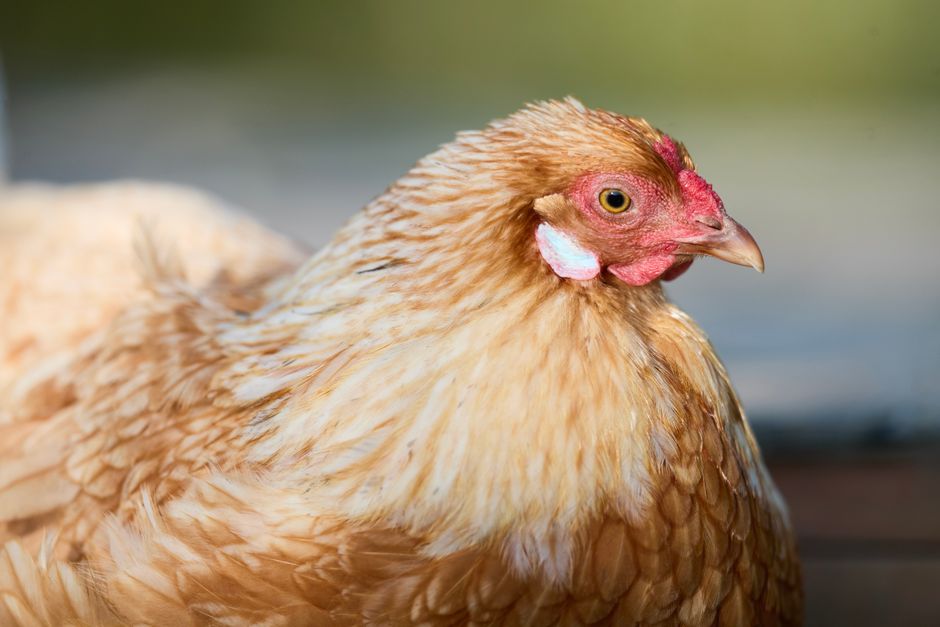
If you’ve spent any time on chicken forums or at a farm supply store in spring, you’ve almost certainly run into someone who swears by ISA Browns. And if you’re here, you’re probably trying to figure out whether the hype is real or whether you’re about to fall for the chicken equivalent of a used car sales pitch.
Here’s what I tell people who ask me about ISA Browns: the hype is mostly real, but it comes with a trade-off that the hatchery websites skim right past. Understanding that trade-off is the whole ballgame.
What an ISA Brown Actually Is
ISA Browns aren’t a breed in the traditional sense. They’re a commercial hybrid, developed in France in the 1970s by Institut de Sélection Animale (hence “ISA”) and originally designed for industrial egg production. The exact cross is proprietary, but it’s generally accepted to involve Rhode Island Reds, Rhode Island Whites, and likely some White Leghorn genetics in the mix. What you’re getting is a bird that’s been selectively optimized, over decades, to do one thing extraordinarily well: lay eggs.
This matters to backyard keepers because it explains both why ISA Browns perform the way they do, and why they wear out the way they do.
Egg Production That Will Actually Surprise You
| Aspect | ISA Brown | Heritage Breed Example | Notes |
|---|---|---|---|
| Eggs per year (peak) | 300-320 | ~200 | First laying cycle; heritage birds maintain production longer |
| Laying lifespan | 2-3 years before health decline | 5-6 years | ISA Browns experience accelerated reproductive wear |
| Protein requirement | 16-18% layer pellet | 16-18% layer pellet | No difference in feed specifications |
| Temperament | Calm, curious, easy to handle | Varies by breed | ISA Browns notably calmer than Leghorns |
| Lifespan (practical) | 3 years or less | 7-8 years | Expected, not edge cases, for production hybrids |
I’ve kept a lot of breeds over the years. Barred Rocks, Black Australorps, Easter Eggers, Buff Orpingtons. I like heritage birds. But the first time I kept ISA Browns, the egg production still caught me off guard.
These hens routinely lay 300 to 320 eggs per year in their first laying cycle. That’s not a marketing claim. That’s a medium-brown egg, nearly every single day, from around 18 to 20 weeks of age through their first molt. A flock of six ISA Browns at peak production will bury you in eggs. I’ve given away more dozens than I can count.
The eggs themselves are medium to large, with a warm brown shell. Nothing unusual there. But the consistency is what people don’t expect. With most heritage breeds, you’ll see noticeable drops in winter even with supplemental lighting. ISA Browns are more resilient to that, especially in their first year. Not immune to it, but more resilient.
Here’s my contrarian take, and I’ll own it: for a suburban keeper who primarily wants eggs, ISA Browns beat almost every heritage breed on a pure production-per-bird basis, and anyone telling you otherwise is probably more attached to their Dominiques than to math.
The Lifespan Problem Nobody Warns You About
3 BEST CHICKEN BREEDS | Backyard & Family Flocks | Favorite Poultry Varieties For Beginners | Chicks · Oak Abode on YouTube
This is the part that gets people.
Commercial hybrids like ISA Browns are bred to produce at such an accelerated rate that it puts enormous strain on their reproductive systems. A heritage hen might lay 200 eggs a year for five or six years. An ISA Brown lays 300+ in year one, noticeably less in year two, and by year three, many keepers are dealing with serious health problems: internal laying, egg yolk peritonitis, reproductive tumors, prolapsed vents. These aren’t rare edge cases. They’re common enough that I’d call them expected outcomes for a significant percentage of ISA Brown hens.
I lost two ISA Browns to reproductive issues before they hit three years old. One to egg yolk peritonitis, one to what the vet suspected was an ovarian tumor. Neither had shown any signs of illness until things were already bad. That’s typical with these birds.
What this means practically: if you’re the kind of keeper who gets deeply attached to individual birds and intends to keep a pet chicken for seven or eight years, ISA Browns may not be the right fit for you. If you’re running a production-focused flock and you’re comfortable cycling birds out after two or three years, they’re outstanding.
There’s no judgment in either approach. You just need to go in knowing.
Temperament and Flock Dynamics
Genuinely one of the nicest production birds you’ll keep. ISA Browns tend to be curious, calm, and quick to bond with their keepers. They’re not as lap-chicken tame as a Silkie, but compared to Leghorns, which can be flighty and high-strung, ISA Browns are remarkably easy to handle. I’ve recommended them to people with kids specifically for this reason.
In a mixed flock, they hold their own without being aggressive. They’re not dominant birds, so if you’re mixing them with assertive breeds like Rhode Island Reds or Welsummers, keep an eye on pecking order dynamics during integration. Standard integration protocols apply: divide the coop with hardware cloth for a week or two before combining the groups.
One thing worth knowing: ISA Browns are almost always sex-linked at hatch, meaning males hatch out white or cream-colored and females hatch out the familiar reddish-brown. This makes sexing at hatch extremely reliable, which is part of why hatcheries love them. For the backyard keeper, it means if you’re ordering ISA Brown pullets, you’re getting pullets. Miscounts happen, but accidental roosters are rare.
Feeding and Care
No exotic requirements here. A quality 16-18% protein layer pellet works well for the majority of their laying life. I currently feed my laying flock Purina Layena Plus Omega-3 (around $25-28 for a 40-pound bag depending on your area), and ISA Browns do well on it. During heavy production periods, I supplement with extra calcium through crushed oyster shell offered free-choice in a separate container rather than mixed into the feed. Hens will regulate their own calcium intake better than you can dose it for them.
Because they lay so heavily, don’t skimp on calcium. Soft-shelled eggs are one early sign they’re coming up short. The Manna Pro Oyster Shell (affiliate link) is a reliable, affordable option I’ve used for years.
Fresh water, access to grit if they’re free-ranging, and a coop with adequate ventilation is the unglamorous truth of keeping ISA Browns healthy. They’re not delicate birds, but they can’t tolerate poor ventilation or chronic stress as well as a hardier heritage breed. Keep the coop clean. That’s most of it.
Sourcing ISA Browns
Sources
You’ll find them at most major hatcheries: Cackle Hatchery, Meyer Hatchery, Hoover’s Hatchery. Tractor Supply Co. stocks them seasonally as well. Quality is generally consistent across sources because the genetics are so standardized, though I’d still lean toward a hatchery that vaccinates for Marek’s disease as a baseline. It’s an easy thing to ask when you’re ordering.
If you want eggs and you want them reliably, ISA Browns are one of the most honest answers backyard chicken keeping has to offer. Go in with clear expectations, give them good care, and they’ll outperform almost anything else you could put in that coop.
Photo: Erwin Bosman via Pexels