 Dr. Tom Henderson
At 95 degrees Fahrenheit, a chicken is already in trouble. At 104 degrees, you can lose one within hours. I don’t say that to scare you, but because most people don’t realize how narrow a chicken’s thermal comfort zone actually is. They thrive between about 55 and 75 degrees. Once temps push past 85, they’re working hard just to stay alive, and a heat wave can turn a healthy flock into a crisis faster than almost any other weather event. If you’re here because it’s hot right now and you’re worried about your birds, let’s skip the fluff and get into what actually works.
Why Heat Hits Chickens So Hard
Chickens don’t sweat. They regulate body temperature almost entirely through panting and holding their wings away from their bodies to release heat. That’s a limited system, and it fails under prolonged high temperatures, especially when nighttime temps don’t drop below 70 degrees. When nights stay warm, birds can’t recover from the heat stress they accumulated during the day, and that’s what kills them.
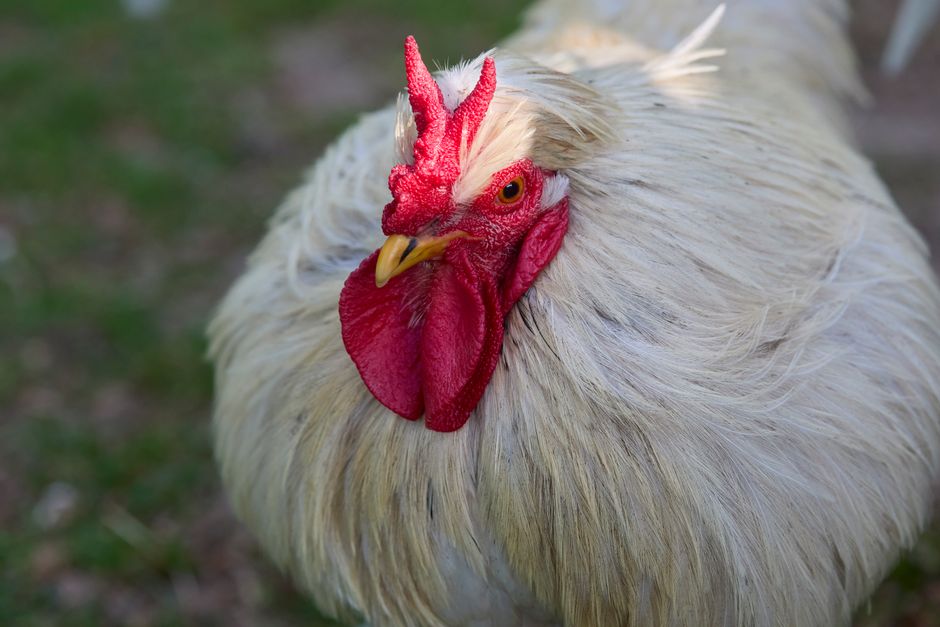
Certain breeds feel this harder than others. Heavy dual-purpose birds like Buff Orpingtons, Brahmas, and Cochins are most vulnerable because of their mass and, in some cases, their feathered feet and legs, which trap more heat. Leghorns and other Mediterranean breeds, originally from hot climates, handle heat considerably better. If you’ve got a mixed flock, watch your heavier birds first.
Roosters and large hens tend to go down before pullets. Older birds and those already dealing with a health issue like a laying problem or respiratory illness are also at elevated risk. Know your flock well enough to spot who needs the closest watching.
Panting with the beak open. Wings held out from the body. Lethargy and reluctance to move. Pale combs and wattles. Reduced or stopped egg production. In serious cases, stumbling or inability to stand. A bird that’s stumbling in the heat is an emergency.
The Coop Situation Is Probably Making It Worse
Here’s what I tell people who are surprised their chickens are struggling: the coop is often the problem. A well-insulated coop that’s great in February becomes an oven in August. Dark-colored metal or asphalt roofing absorbs heat all day and radiates it back all night. Poor ventilation traps ammonia and hot air together, which makes heat stress dramatically worse.
Ventilation is the single most impactful thing you can control in a heat wave. Open every vent you have. If your coop has hardware cloth windows with shutters, get them open fully. If you have a solid roof vent, make sure it’s unobstructed. Hot air rises, so high ventilation points are more effective than low ones. A ridge vent is worth its weight in gold during summer.
If your coop is small and enclosed, consider whether your birds can actually sleep outside in a secure run during the worst nights. Some coops just can’t be made cool enough, and forcing birds to sleep in a 90-degree box is going to wear them down fast.
For right now, during a heat wave, a box fan mounted in a window or vent opening can make a real difference. Point it to pull hot air out, not blow air in. You’re trying to move air through the coop, not just push it around inside. A 20-inch box fan runs about $25 to $40 and is one of the highest-value heat wave tools I’ve used. Make sure any electrical setup is protected from moisture and bird contact.
Reflective insulation like radiant barrier foil on the inside of a metal roof can drop interior temps noticeably. I’ve seen people add it mid-summer and get a 10-degree difference inside the coop. It’s inexpensive and easy to staple up in a couple of hours.
Water Is Non-Negotiable, and Most People Don’t Offer Enough of It
A chicken in hot weather drinks two to four times as much water as usual. If you’re running a standard 1-gallon waterer for a flock of six, that might have been fine in May and is completely inadequate in a heat wave. You need more water stations, and you need to keep the water cold.
Warm water sits untouched. I’ve watched birds walk right past a lukewarm waterer on a hot day and not drink. Add ice. Drop a few frozen water bottles in the waterer in the morning. Put out a second or third waterer in the shade. If you have a nipple-style waterer, know that some birds won’t figure those out fast enough when they’re already stressed, so have a traditional open waterer available too.
Place water stations in the shadiest parts of the run. Shade under a tree or a tarp is cooler than shade under a solid roof panel that’s been baking in the sun. Also put a waterer inside the coop itself, because birds that don’t feel like going outside during peak heat will still need to drink.
I really like the Harris Farms Galvanized Poultry Waterer for hot weather because the metal stays cooler longer than plastic. For a larger flock running through the worst of a heat wave, a 5-gallon gravity waterer with a few frozen bottles dropped in can keep water drinkable for hours (affiliate link, we may earn a commission on purchases).
Creating Shade and Cooling Spots That Actually Work
| Cooling Method | Effectiveness | Notes |
|---|---|---|
| Deep shade (tree canopy or shade cloth) | High | Best combined with airflow underneath |
| Misters in low-humidity climates | High | Lose effectiveness in humid areas |
| Shallow pans of cool water for wading | Moderate-High | Chickens often avoid them but some will use them |
| Frozen treat blocks (berries, corn, watermelon in ice) | Moderate | Psychological and physical benefit |
| Wet sand or wet soil patches | Moderate | Birds will lie in them during peak heat |
If your run doesn’t have meaningful shade, that’s the next thing to fix. A tarp strung over part of the run is fast, cheap, and surprisingly effective. Aim for 30 to 50 percent shade coverage, not the whole run, because air circulation matters and you don’t want to block all airflow.
Here’s what works well and what doesn’t:
| Cooling Method | Effectiveness | Notes |
|---|---|---|
| Deep shade (tree canopy or shade cloth) | High | Best combined with airflow underneath |
| Misters in low-humidity climates | High | Lose effectiveness in humid areas |
| Shallow pans of cool water for wading | Moderate-High | Chickens often avoid them but some will use them |
| Frozen treat blocks (berries, corn, watermelon in ice) | Moderate | Psychological and physical benefit |
| Wet sand or wet soil patches | Moderate | Birds will lie in these to cool their undersides |
| Box fan in coop window | High | Move air out, not in |
| Frozen water bottles in waterers | High | Cheap and repeatable |
| Sprinklers overhead | Low-Moderate | Birds usually flee rather than cool off |
Wet soil or damp sand patches in the shade are underrated. Birds will spread out on them and cool their undersides. If you scratch out a patch under a tree and soak it, you might find half the flock camping there during the afternoon.
About misters: they’re excellent in the desert southwest. In Georgia in August, where humidity is already 80 percent, a mister just adds moisture to air that can’t absorb it, and you end up with wet, stressed birds who can’t evaporate heat efficiently. Know your climate before investing in a misting system.
Feeding Strategy During a Heat Wave
Sources
Digesting feed generates body heat. The fermentation of a heavy grain diet produces real metabolic warmth, which is why you want to adjust feeding during extreme heat.
Don’t cut feed entirely, but shift the timing. Feed your flock in the early morning and late evening when temps are lower. Avoid putting out a full feeder at noon during a 100-degree day. Pull layer pellets during the hottest hours if birds aren’t eating anyway.
Increase access to fresh produce. Watermelon is a classic for a reason: it’s mostly water, it’s cool if you refrigerate it first, and birds go crazy for it. Cucumbers, lettuce, and frozen corn are also good options. These won’t replace their nutritional needs but they contribute to hydration and the act of pecking at them keeps birds active and engaged without requiring serious digestive effort.
One thing people don’t mention: electrolytes. Panting birds exhale significant amounts of sodium and potassium. You can add a poultry electrolyte product to their water during a heat wave, similar to what you’d use for chicks under stress. Durvet Vitamins & Electrolytes is a product I’ve used and recommended to people dealing with heat stress recovery (affiliate link, we may earn a commission on purchases). It’s not a cure-all, but it helps birds recover from the cumulative drain of hot days.
Scratch grains and cracked corn are high in carbohydrates, which produce more metabolic heat during digestion. Temporarily dial those back during a heat wave. Your birds’ protein and hydration needs are more important right now than scratch treats.
You know your flock better than any article can. Trust what you observe. If something feels off, act on it, because with heat stress the window between “concerning” and “too late” closes fast. Get the water cold, get the shade up, move the air, and check on your birds more than you think you need to. The chickens that make it through a heat wave in good shape are almost always the ones with a keeper paying close attention.