 Sarah Mills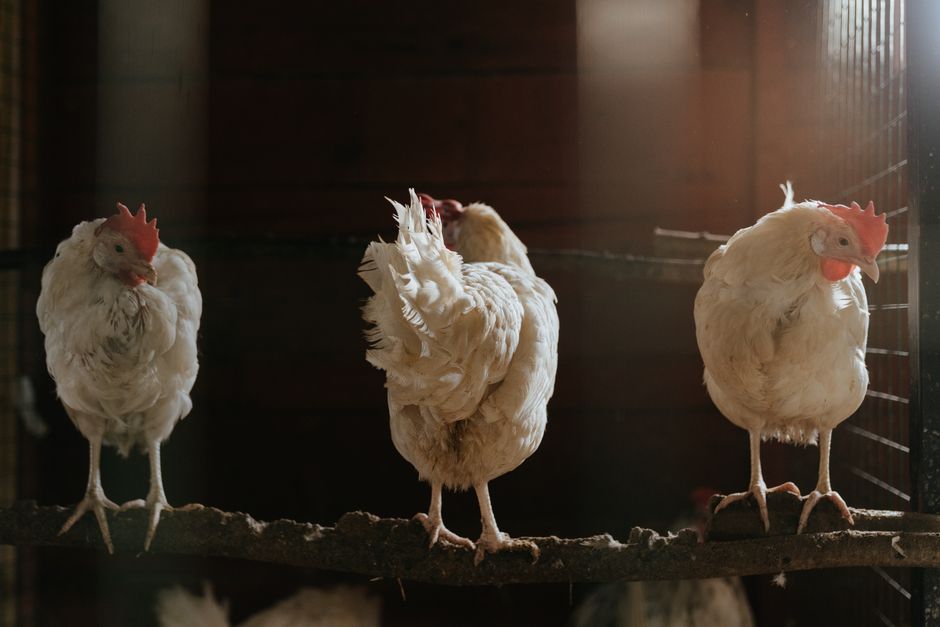
I’ve watched a perfectly friendly flock of Buff Orpingtons turn into feather-pulling, egg-eating chaos in the span of one winter. The coop was 4x6 feet. There were nine birds in it. Do the math and you’ll understand everything that went wrong.
Coop size is probably the single most argued topic in backyard chicken keeping, and it’s also the one where bad advice causes the most real-world suffering. You’ll see “4 square feet per bird” repeated everywhere like gospel, but that number was originally designed for commercial laying operations, not backyard flocks that spend cold weeks locked inside. Let me give you the actual framework I’ve used across 12 years and 14 breeds to figure out how big a chicken coop really needs to be.
Why the “4 Square Feet Per Bird” Rule Falls Short
The 4 square feet rule isn’t wrong exactly. It’s just incomplete. It assumes your birds have consistent access to outdoor space, that your climate is mild, and that you’re keeping a small, calm breed. Change any one of those variables and the math breaks down fast.
Here’s the thing about chickens: they don’t just sleep in the coop. They establish a social hierarchy inside it, they retreat there during storms, they spend days at a time in it during hard winters, and they lay eggs in it. All of that behavior requires space. Crowded birds get stressed. Stressed birds peck. Pecking escalates. Before long you’ve got bloody hens and a morale problem that’s very hard to reverse.
The minimum I recommend for birds that have reliable daily access to a run or free-range area is 4 square feet of floor space per bird. But if you’re in a northern climate where birds spend weeks inside during cold snaps, push that to 6 to 8 square feet per bird, especially for heavier breeds like Brahmas or Jersey Giants that simply take up more room.
I keep my current flock of 16 birds in a 10x12 coop. That’s 120 square feet, or 7.5 square feet per bird. In January in Ohio, I’m grateful for every inch of it.
Floor Space vs. Vertical Space: They’re Both Part of the Equation
Most size guides focus exclusively on floor space, and that’s a mistake. Chickens are semi-arboreal. They want to roost up off the ground, they establish pecking order partly based on who gets the highest perch, and they need enough vertical clearance that the air doesn’t stagnate around them.
Roost space: Plan for at least 8 to 10 inches of linear roost space per bird. A 4-foot roost bar serves 4 to 6 birds comfortably. Roost bars should be at least 18 inches off the ground and, if you have multiple bars, stagger them in a staircase pattern rather than directly above each other. Directly stacked bars lead to the top birds pooping on the ones below, which sounds funny until you’re cleaning a hen’s eyes at midnight.
Ceiling height: I recommend a minimum of 4 feet at the lowest point inside the coop, and 6 feet where you’ll be doing daily chores. Standing hunched over while changing waterers or collecting eggs gets old within about a week. Build for your own comfort too, not just the birds'.
Nesting boxes: These don’t usually count toward floor space since they’re mounted on the wall, but they do affect the functional feel of the interior. One box for every 3 to 4 hens is the standard, and that standard actually holds up. I run 5 boxes for 16 hens and there’s never a queue issue. Size them at 12x12 inches for standard breeds, 14x14 for large breeds. Line them with something soft that holds shape. I’ve been using nesting box pads like these for years and they’re far easier to maintain than loose straw.
How Breed and Climate Change the Calculation
Not all chickens are built the same. A Serama bantam weighs about half a pound. A Light Brahma can hit 10 pounds. Packing eight Brahmas into a space designed for eight Leghorns is a recipe for problems.
For bantam breeds (Silkies, Serama, Dutch Bantams): 2 to 3 square feet per bird works fine with good run access. These small birds use vertical space well and tend to be less aggressive about territory.
For standard light breeds (Leghorns, Anconas, Campines): 4 square feet per bird is genuinely fine as long as they’re outside most of the day. These are active, flight-oriented birds that don’t handle confinement well anyway.
For standard heavy breeds (Orpingtons, Plymouth Rocks, Wyandottes, Australorps): 4 to 5 square feet minimum, 6 preferred. These birds are calmer but they take up space and they produce more body heat, which matters for ventilation planning.
For extra-large breeds (Jersey Giants, Brahmas, Cochins): 6 to 8 square feet per bird. I made the mistake once of underestimating a Jersey Giant flock and rebuilt the coop two seasons in. Learn from my wallet.
Climate is equally important. In mild climates where birds are outside 10 to 12 months a year, you can stay near the minimums. In cold climates with real winters, bumping up to 6 to 8 square feet per bird is the difference between a peaceful flock and a stressed, pecking mess. Deep litter management works much better in larger coops too, since you need space for the litter to compost and generate warmth without creating toxic ammonia buildup.
A Practical Size Guide: From 3 Birds to 20 Birds
Here’s the quick-reference table I wish I’d had when I started. These numbers assume a northern/mixed climate with a secure outdoor run. If you’re in a mild climate with year-round outdoor access, you can trim by 20%.
| Flock Size | Minimum Floor Space (Cold Climate) | Minimum Floor Space (Mild Climate) | Roost Length Needed | Nesting Boxes |
|---|---|---|---|---|
| 3 birds | 18 sq ft (e.g., 4x5) | 12 sq ft (e.g., 3x4) | 3 ft | 1 box |
| 6 birds | 36 sq ft (e.g., 6x6) | 24 sq ft (e.g., 4x6) | 5 ft | 2 boxes |
| 10 birds | 60 sq ft (e.g., 6x10) | 40 sq ft (e.g., 5x8) | 8 ft | 3 boxes |
| 15 birds | 90 sq ft (e.g., 9x10) | 60 sq ft (e.g., 6x10) | 12 ft | 4 boxes |
| 20 birds | 120 sq ft (e.g., 10x12) | 80 sq ft (e.g., 8x10) | 16 ft | 5-6 boxes |
Always build bigger than you think you need. Every chicken keeper I know has said “I’ll just add a few more birds” at least once. That impulse is real. Plan for it now.
If you’re building from scratch, a solid resource like Storey’s Guide to Raising Chickens covers coop design in detail and is worth the investment for new and intermediate keepers alike.
Don’t Forget the Run: Coop Size and Outdoor Space Work Together
Sources
- nesting box pads like these
- a solid resource like Storey’s Guide to Raising Chickens
- Automatic coop door openers
- cottonbro studio
The coop size question can’t be answered honestly without talking about the run. These two spaces are a system, not independent units.
The generally accepted minimum for a run is 10 square feet per bird for standard breeds. In practice, I find that 15 to 20 square feet per bird is where you start to see genuinely healthy, low-stress outdoor behavior. Birds scratch properly, establish a pecking order without constant fighting, and actually forage instead of just pacing.
If your run is generous and your birds use it daily, your coop can be closer to the minimums. If your run is small or your birds are confined there in bad weather, your coop needs to compensate with extra interior space.
A larger run also reduces coop cleaning frequency because birds deposit a lot of their daily waste outside. Fewer waste accumulations inside means better air quality, which means healthier birds.
A heavy-duty automatic coop door paired with a secure run is one of the quality-of-life upgrades I’d never go back from. Automatic coop door openers let the birds out at dawn without you dragging yourself outside in January. The birds get more time outside. The coop stays cleaner. Worth it.
The short version: give your birds more space than the minimum charts suggest, build bigger than you think you need today, and remember that the coop and run work as a team. Chickens are resilient, social, and surprisingly smart. They reward good housing with consistent eggs, calm behavior, and a flock you actually enjoy watching. They punish bad housing loudly and expensively. Build it right the first time and you’ll be glad you did every single morning you go out to collect eggs.
Photo: cottonbro studio via Pexels