 Dr. Tom Henderson
Thirty-one percent of U.S. homeowners live under some kind of HOA. If you’re one of them and you want chickens, that percentage either means nothing to you or it’s the only thing standing between you and your first flock. I’ve helped a lot of people work through this over the years, and here’s what I’ll tell you straight: most advice out there treats HOA rules like they’re carved in stone. They’re not. But they’re also way messier than a simple yes or no.
Let me give you what actually works.
What HOA Governing Documents Actually Say (and Don’t Say)
| Document Type | What to Look For | Why It Matters |
|---|---|---|
| CC&Rs (Covenants, Conditions, and Restrictions) | Definitions of “livestock,” “poultry,” or “farm animals”; explicit prohibitions | Determines if chickens are banned outright or fall into a gray area |
| Bylaws | Nuisance clauses about noise, odor, or pests | Identifies what makes a coop problematic and what to address in your proposal |
| Supplemental Rules & Architectural Guidelines | Board-adopted rules in addendums; approval requirements | Reveals hidden restrictions not in original documents |
| Amendment History | Any recent rule changes or clarifications | Shows if the board has already addressed this issue |
| City/County Ordinances | Local food production laws; “right to garden” legislation | May supersede or override HOA restrictions |
Most people ask their neighbor or the HOA board president if chickens are allowed. Wrong move. Get the documents yourself. You need three things: the CC&Rs (Covenants, Conditions, and Restrictions), the bylaws, and any supplemental rules or architectural guidelines the board has adopted.
Here’s what shocked me when I started digging through these documents: tons of HOA rules don’t mention chickens at all. They might ban “livestock” or “farm animals,” which then becomes an argument over whether a hen in a backyard coop counts as livestock. Some documents explicitly ban roosters but say nothing about hens. That gap is everything, and I’ve seen people build legal flocks on exactly that distinction.
Look specifically for:
- Definitions section: Does it define “livestock,” “poultry,” or “farm animals”?
- Nuisance clauses: Many HOAs prohibit anything causing noise, odor, or pests. A badly managed coop does all three, which matters when you pitch your case.
- Pet provisions: Sometimes chickens fall under pet clauses that limit animals by weight or type.
- Amendment history: Check for board-adopted rules that aren’t in the original CC&Rs. These hide in addendums.
Your county recorder’s office usually has CC&Rs online. They’re recorded documents. You don’t need anyone’s permission to read your own deed restrictions.
The Difference Between “Prohibited” and “Needs Approval”
People mix these up constantly, and it’s a big deal. Some HOAs explicitly prohibit chickens. Others just require architectural or use approval before you add something not already covered. Those are totally different situations.
“No poultry shall be kept on any lot” is a prohibition and you’re fighting uphill. “Any outbuilding or use not specifically addressed requires board approval” is actually an opening. You can apply. You can make your case.
I’ve seen people get approval for three or four hens in a clean coop with a straightforward proposal: coop dimensions, breed selection (Buff Orpingtons or Easter Eggers instead of noisy ones), waste management, no rooster. One reader emailed me last spring after she got board approval for five hens in a community that had never considered it. She brought coop photos, a neighbor sign-off letter, and a one-page summary. One meeting. Approved. That’s not a miracle, that’s preparation meeting a gap in the rules.
When the HOA Says No: Your Actual Options
10 Chicken Coop Mistakes you DON'T want to Make ! · Carolina Coops® on YouTube
The documents are clear. The board said no. You got turned down. You still have options, though I won’t pretend they’re painless.
Check your city or county ordinance first. This catches people off guard, but local government rules sometimes supersede HOA restrictions or set a floor HOAs can’t go below. Several states have passed “right to garden” legislation touching on food production. This law is shifting right now. Check what your state actually did recently, not what a five-year-old forum post says.
Request a variance or rule amendment. Every HOA has a process for amending rules. It typically requires a petition with enough homeowner signatures (25% to 67% depending on the documents), then a vote. Slow. Uncertain. But legitimate. I’ve seen it work. If your neighbors care about backyard food production, it’s worth trying.
Get an HOA attorney, not a general real estate one. HOA law is specialized. A 30-minute consultation ($100 to $200) can uncover legal angles you missed. Sometimes CC&Rs were amended improperly or enforced selectively, which gives you actual leverage.
The quiet approach. Some people just get a few hens, keep a clean coop, and don’t tell anyone. I’ll be direct: three well-managed hens are hard to spot. No rooster. Good bedding management (I use deep litter with pine shavings). Covered runs control smell. This isn’t my first recommendation, but people do it. You’re gambling on fines or removal, which is terrible, so know what you’re risking.
Building the Case That Changes Minds
Sources
- Mohan Nannapaneni
- Needs Approval People
If you’re pitching to an HOA board, presentation beats logic every time. These are usually volunteers skeptical of anything new. Your job is making chickens seem boring and manageable.
Breed choice matters. Buff Orpingtons are calm and quiet. Easter Eggers are quiet and those colored eggs actually persuade skeptical neighbors. Skip Leghorns and production breeds if you’re trying to stay under the radar. Three to four hens give you steady eggs without a manure nightmare. The OverEZ Large Chicken Coop (about $400 to $500 on Amazon) looks like a cedar garden shed, not a farm structure. Aesthetics count.
Propose a trial period. Boards prefer “let’s try this for six months under these conditions” over demands. Build in your own accountability. It reads as reasonable because it is, and it gives you an actual path forward.
Backyard chicken rules in HOA communities are actually shifting. More people care about food sources, and that’s slowly changing how communities write and enforce these restrictions. Whether you’re building a formal proposal or just figuring out what your CC&Rs say, doing this right matters. Getting your birds removed after you’ve bonded with them is one of the worst parts of this hobby. I’ve watched it happen. It’s avoidable.
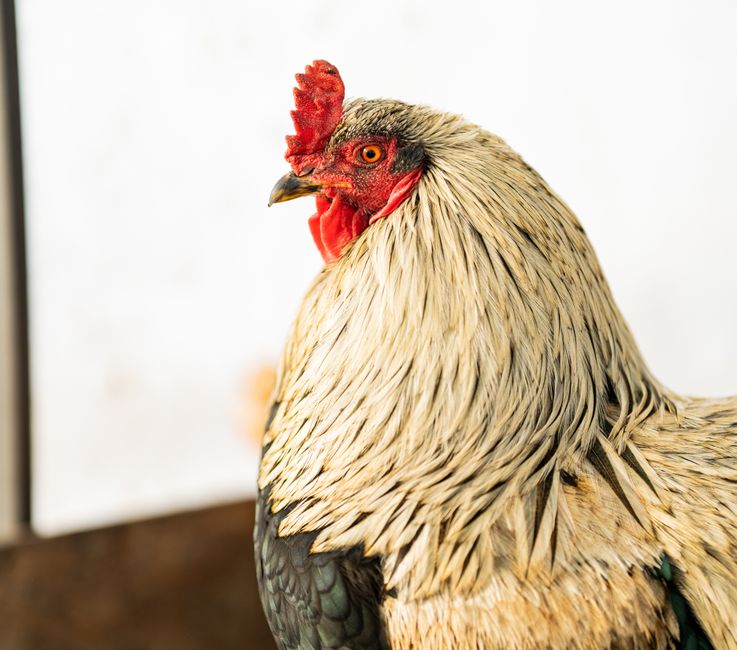
Photo: Mohan Nannapaneni via Pexels