 Dr. Tom Henderson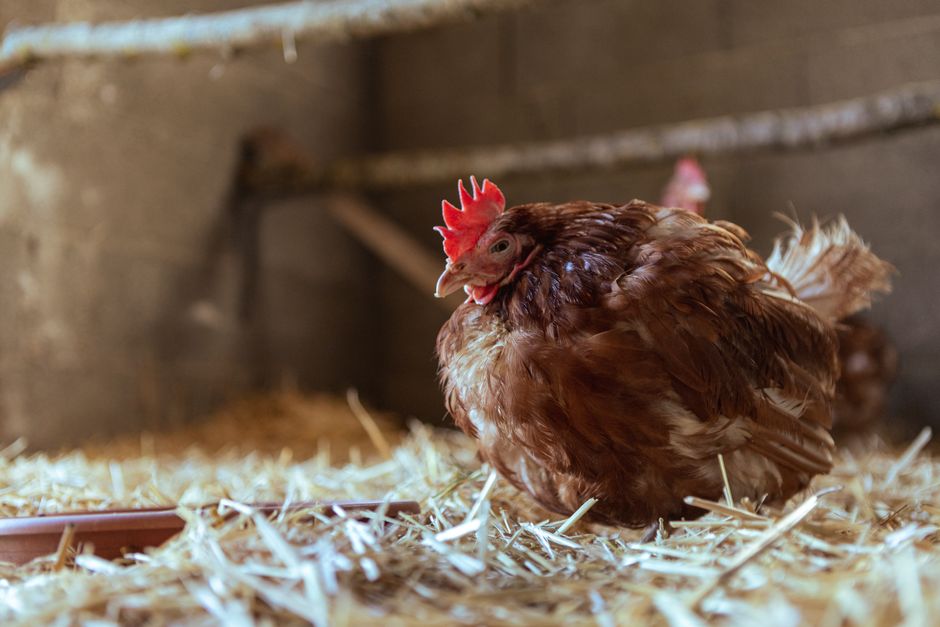
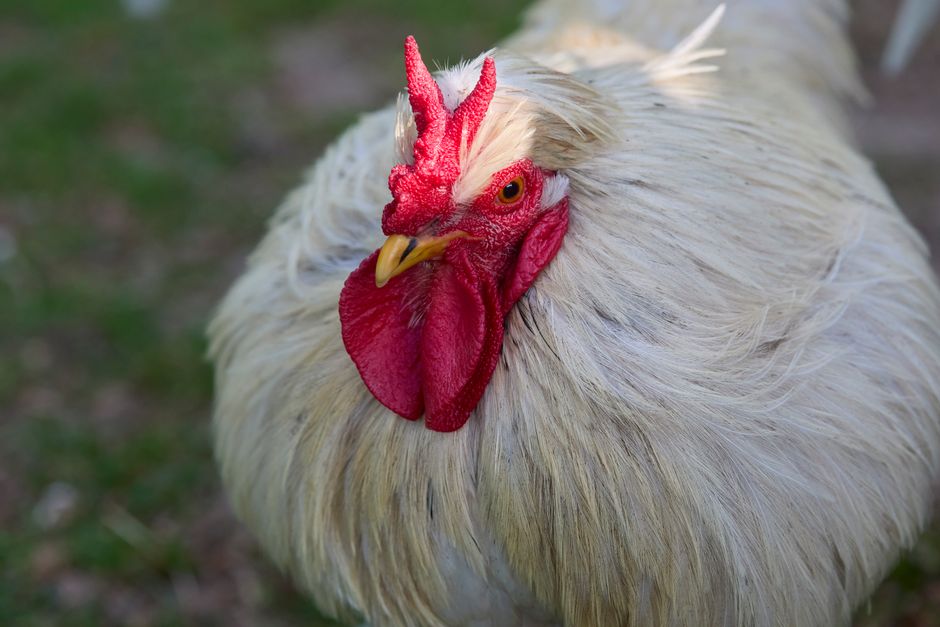
You’ve probably got a hen sitting tight in a nesting box right now, puffed up like a volleyball, glaring at you every time you reach under her. Maybe she’s been there three days, maybe a week, and you’re trying to figure out whether to let this play out or break her. Here’s what I tell people in that exact moment: if she’s genuinely broody and you want more chicks, let her work. A good broody hen is one of the most reliable, low-intervention ways to hatch eggs that exists. She’ll do things no Brinsea incubator can replicate.
But there’s real technique involved, and a few things that will quietly wreck your hatch if you don’t know about them ahead of time.
Is She Actually Broody, or Just Weird?
| Breed Type | Broodiness | Eggs Capacity | Notes |
|---|---|---|---|
| Silkie | Highly reliable | 6-7 eggs | Smaller frame, excellent sitter |
| Cochin | Highly reliable | 10-12 eggs | Excellent maternal instinct |
| Buff Orpington | Highly reliable | 10-12 eggs | Heritage breed, dependable |
| Leghorn | Rarely broody | Not suitable | Production breed, broodiness bred out |
| Commercial sex-links | Rarely broody | Not suitable | Production breed, broodiness bred out |
| Standard breeds (general) | Variable | 10-12 eggs | One rooster per 8-10 hens for fertility |
This matters more than it sounds. Some hens sit in the box for an hour after laying. Some camp out because another hen keeps using the same box. A truly broody hen will be there all day, every day. She’ll flatten herself against the eggs when you approach, growl or peck, pull breast feathers out to expose her brood patch, and run back to the nest within minutes if you remove her.
The real test is temperature. Slide your hand under her. If she feels like a furnace, she’s broody.
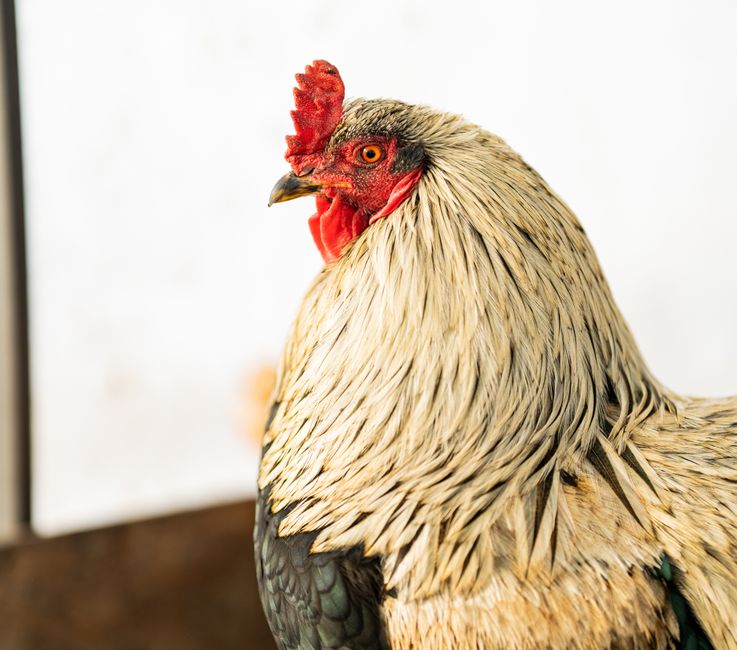
Not every broody is created equal, by the way. Silkies, Cochins, and Buff Orpingtons are famously determined sitters. Production breeds like Leghorns and most commercial sex-links have had broodiness nearly bred out of them. If you’ve got a reliable broody from one of the heritage breeds, treat her like an asset. I’ve had a Cochin named Biscuit who hatched three clutches in a single season and raised every single chick without losing one.
Setting Up the Nest: Get This Right First
The most common mistake people make is just leaving the broody where she already is. Shared nesting areas are a disaster during a hatch. Other hens will push her off the eggs to lay, she’ll adopt random new eggs and abandon the ones she started, and the staggered development will mean chicks and unhatched eggs at the same time on day 21.
Move her before you set eggs under her, or at the very latest, on day one.
Here’s what I do: I set up a separate brooding space in a section of the coop I can close off, or in a small wire dog crate (a 36-inch crate works well) placed inside the coop so she stays part of the flock socially. Line the bottom with a few inches of pine shavings, give her a low-sided nesting box or just a wooden crate with some straw, food, and water within reach but not so close that she kicks it into the nest.
Move her at night. Seriously. Hens are docile in the dark, and a nighttime move dramatically increases the chance she’ll accept the new location. Put a few fake eggs or golf balls under her for 24 hours, and once she’s settled and sitting tight again, swap them out for the real eggs.
How many eggs? That depends on her size. A standard hen can reliably cover 10 to 12 eggs. A Silkie shouldn’t have more than 6 or 7. Overcrowding means outer eggs spend too much time in the cold when she repositions.
The Eggs Themselves
You can use eggs you’ve collected from your own flock (assuming you have a rooster), or you can order hatching eggs. Both work, but ordered eggs have lower hatch rates, typically 50 to 70% even under ideal conditions, because shipping rattles and temperature-stresses them. I’ve had shipped egg hatches as low as 30% and as high as 80%, and the difference usually came down to the quality of the seller and the season (summer shipping is rough).
Let shipped eggs rest pointy-end-down in an egg carton for 12 to 24 hours before setting them. This lets air cells stabilize.
Fertility in your own flock depends on your rooster-to-hen ratio. One rooster to every 8 to 10 hens is fine for standard breeds. Bantam roosters covering standard hens is a mixed bag. If you’re not sure your eggs are fertile, crack one fresh egg and look at the blastodisc. Fertile eggs have a “bullseye” appearance in the yolk, a small white ring with a defined center.
What Happens During the 21 Days
Leave her alone. That’s most of it.
Check on her once a day. Make sure she’s eating and drinking. A good broody will take one break per day, usually in the morning, for 15 to 30 minutes. She’ll eat, drink, poop (broody hen poop is genuinely spectacular in size and odor), and get back on the nest. If she’s not getting up at all in three or four days, lift her off yourself once a day and set her in front of food and water until she eats.
Candling is optional under a broody, but I do it once at day 7 to pull clear (infertile) eggs and once at day 14 to remove any that have quit. Use a small LED flashlight in a dark space. Fertile, developing eggs will show a distinct spiderweb of blood vessels by day 7. Infertile eggs look clear. Quitters will show a dark ring or a scrambled mess. Rotting eggs can explode if they’re left too long, and the contamination can kill viable embryos nearby.
Around day 18, she’ll go into “lockdown” mode on her own. She’ll barely leave the nest, and you’ll sometimes hear her making soft, low clucks into the eggs. The embryos can hear her at this point and are responding. It’s one of the more remarkable things I’ve seen in ten years of doing this.
The Hatch and What Comes Right After
Sources
Day 21 is the target, but don’t panic if nothing happens until day 23. Cooler ambient temps slow development. Eggs set at slightly different times can stagger the hatch by a day or two.
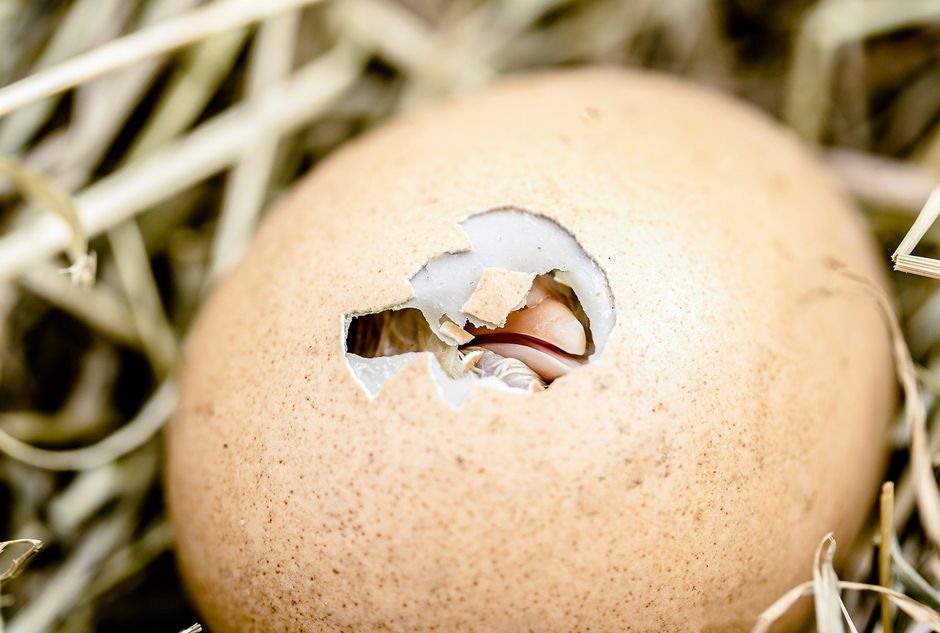
Resist the urge to help chicks out of the shell. I know how hard that is to watch. But intervening in a hatch almost always causes more harm than letting a struggling chick take its time. The only exception is a chick that has been “pipped” (broken through the shell) for more than 24 hours with zero progress. That’s worth a careful, very slow assist.
The hen will typically keep sitting for 24 to 48 hours after the first chick hatches to give the rest time to emerge. Once she finally stands up and starts clucking at the chicks, hatch is done. Remove any unhatched eggs at that point.
One thing people aren’t warned about: newly hatched chicks don’t need food or water for the first 24 hours. The yolk sac absorption at hatch gives them everything they need. The hen knows this. Don’t stress about getting feed to them immediately.
After that, chick starter crumble (non-medicated is fine if your chicks won’t be exposed to a coccidiosis pressure environment, but medicated is reasonable insurance). A shallow waterer with marbles in the tray to prevent drowning. And mostly, leave the hen to it. She’s done this before, even if you haven’t.
The broody hen is doing something that took millions of years to perfect. Your job is mostly to stay out of her way, remove the obstacles humans tend to create, and show up when it actually matters. The first time you see a hen clucking softly to a pile of damp, brand-new chicks tucked under her wings, you’ll understand why people keep doing this.
Photo: Andreas Ebner via Pexels