 Dr. Tom Henderson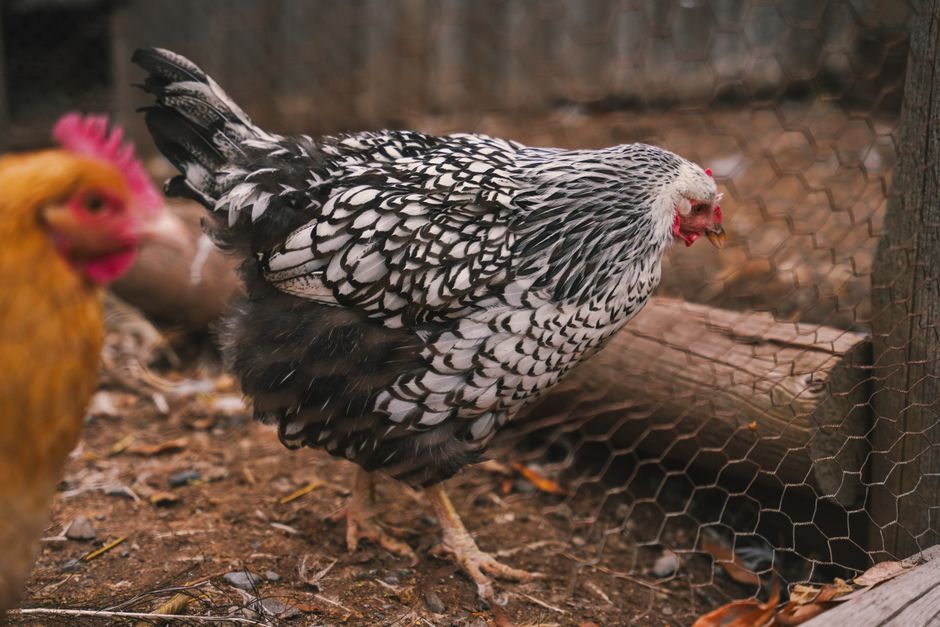
You’re standing at the kitchen counter with leftover guacamole in one hand and the chicken run in sight. Perfect snack for the flock, right? Wrong. That avocado contains persin, a fungicidal toxin that can stop a chicken’s heart within 24 to 48 hours. Every year, well-meaning keepers accidentally poison their birds with scraps they thought were safe. The good news: it’s completely preventable if you know what actually belongs in the feed dish.
The Toxic Foods That Can Kill Chickens
Some foods don’t just upset the stomach. They kill fast, and the margin for error is basically zero.
Avocado is non-negotiable. The flesh, skin, and pit all contain persin. There’s no safe amount. Even a small piece can trigger labored breathing, weakness, and sudden death.
Nightshade plants are another major threat. Green tomatoes, tomato leaves, potato leaves, eggplant leaves (ripe or not), and belladonna all contain solanine. Ripe red tomatoes are fine in moderation, but anything green or unripe is dangerous. If your chickens free range near a vegetable garden, you need to actively manage this.
Raw dried beans, especially kidney beans, are deceptively deadly. They contain phytohaemagglutinin (PHA), a lectin so toxic to chickens that three or four raw kidney beans have been documented killing an adult bird. Soaking doesn’t neutralize it. You need a rolling boil for at least 10 minutes to destroy the compound. Canned beans are safe because they’ve already been heat-processed.
Rhubarb leaves contain oxalic acid that can trigger kidney failure. Some keepers report their hens have pecked at rhubarb without immediate problems, but that’s not permission to test it. The leaves are definitively toxic.
Chocolate and caffeine contain theobromine and methylxanthines, both of which disrupt heart rate and can cause seizures. Dark chocolate is especially dangerous. Honestly, there’s no reason to ever give a chicken chocolate or used coffee grounds.
Foods That Cause Problems Without Being Immediately Fatal
This category gets less attention but it matters just as much. Some foods won’t kill a chicken outright, but they’ll cause chronic health problems, tank egg production, taint the taste of eggs, or create long-term organ damage.
Onions, garlic, and chives in large quantities contain thiosulfate, which damages red blood cells and causes hemolytic anemia over time. Small amounts, especially cooked, are usually tolerated. But chickens that regularly get large quantities of onion scraps develop pale combs, lethargy, and reduced laying. There’s also solid evidence that too much garlic can make eggs taste off. Use it sparingly or skip it.
Salty foods are a real problem that often gets overlooked. Chickens have very low sodium tolerance. A few pretzels might seem harmless, but a diet high in salt causes excessive thirst, diarrhea, and in severe cases, kidney damage. Don’t give your flock processed snacks, chips, or anything with visible salt.
Moldy or spoiled food of any kind is out. Mold produces mycotoxins that attack the liver, suppress immunity, and damage the nervous system. This applies to moldy bread, old scratch grain that got wet, or any produce that’s rotting. Simple rule: if you wouldn’t eat it, don’t feed it to your chickens. Compost it elsewhere.
Raw eggs seem ironic given what chickens produce, but feeding them raw eggs teaches hens to associate eggs with food. That leads straight to egg-eating in the nest box. Hard-boiled eggs are different and actually make a great protein-rich treat.
Citrus fruits are debated among keepers. They won’t cause acute toxicity, but citrus is high in Vitamin C (chickens make their own) and contains compounds that can interfere with calcium absorption and potentially disrupt laying. Many keepers avoid it during peak laying season out of caution.
A Quick Reference: Safe vs. Unsafe Foods
8 Beginner Chicken Care Mistakes To Avoid | Backyard Chickens 101 | Egg Laying Hens and Chicks · Oak Abode on YouTube
This comparison gives you a fast at-a-glance guide for the scraps most likely to end up in your coop.
| Food | Safe for Chickens? | Notes |
|---|---|---|
| Ripe tomatoes | Yes | Leaves and green parts are toxic |
| Avocado | No | All parts contain persin |
| Cooked beans | Yes | Raw beans are highly toxic |
| Raw kidney beans | No | Even 3-4 can kill a hen |
| Leafy greens (kale, spinach) | Yes | Spinach in large amounts can inhibit calcium |
| Chocolate | No | Any amount is risky |
| Plain cooked rice | Yes | Good filler treat |
| Citrus fruit | Caution | Limit or avoid |
| Apples (no seeds) | Yes | Apple seeds contain cyanogenic compounds |
| Onions | Caution | Small amounts okay, large amounts harmful |
| Garlic | Caution | May taint egg flavor in excess |
| Mold/spoiled food | No | Always discard elsewhere |
| Rhubarb | No | Leaves especially toxic |
| Hard-boiled eggs | Yes | Excellent protein source |
| Raw eggs | No | Encourages egg-eating behavior |
| Salty snacks | No | Low sodium tolerance in birds |
| Corn | Yes | Good scratch ingredient in moderation |
| Dried mealworms | Yes | High protein treat |
Apple seeds contain amygdalin, which breaks down into cyanide. A few seeds probably won’t hurt an adult bird, but it’s easy enough to just core the apple and skip the risk.
How to Safely Give Kitchen Scraps to Your Flock
Giving scraps is one of the best parts of keeping chickens, and there’s plenty you can share safely. You just need a system.
Check the list before you toss. Keep a short list of dangerous foods posted near your kitchen compost bin. Avocado, raw beans, chocolate, onions in large amounts, rhubarb, and moldy anything. That covers 90% of accidental poisonings.
Limit treats to 10% of the diet. Scraps and treats should make up no more than 10% of your flock’s total daily intake. The rest should come from a quality balanced layer feed. When scraps replace feed, nutritional deficiencies develop fast. If you’re not sure what type of feed to use, our guide on chicken feed types explained breaks down the options in detail.
Cut food into appropriate sizes. Large pieces of dense food can cause crop impaction. Dice root vegetables, break up bread into small pieces, and avoid anything stringy or fibrous that might tangle.
Remove uneaten scraps within a few hours. Food left in the run ferments and attracts rodents, flies, and other pests. It also grows mold quickly in warm weather. Offer small amounts and remove the rest before nightfall.
Avoid processed or heavily seasoned foods. Plain cooked pasta, plain rice, steamed vegetables. The simpler the better. Spices, sauces, butter, and heavy seasoning can all cause digestive issues.
Watch for reactions. If you’ve introduced a new scrap and notice lethargy, loose droppings, reduced appetite, or neurological symptoms like head shaking or loss of balance, remove that food immediately and contact a poultry vet. Time matters.
What Happens in the Coop and Run Also Matters
Sources
- poultry waterer with a nipple system
- Emma Cate
- their hens have pecked at rhubarb without immediate problems
Food safety isn’t just about what you intentionally offer. Your chickens are omnivores with curious beaks, and they’ll peck at things you never intended them to eat.
If your coop is next to a garden, check what’s planted near the fence line. Many ornamental plants are toxic: foxglove, oleander, hemlock, yew, azalea, and rhododendron can all cause serious problems if your flock gets to them while free ranging. I’ve seen keepers with beautiful flower gardens lose birds because a determined hen worked her way through a gap in the fence. Good chicken coop predator protection also means keeping chickens contained away from hazardous plants.
Bedding materials can also be a source of mold. Wet or compacted bedding grows mold colonies that chickens will peck at. Check your bedding routine and consider whether your current material is working. Our article on chicken coop bedding options breaks down the options available.
Standing water in feeders and waterers grows algae and bacteria that affect the digestive system. A good poultry waterer with a nipple system keeps water cleaner and reduces contamination. It’s a simple upgrade that makes a real difference.
Feeding chickens well doesn’t require a chemistry degree. It requires a quick mental check before offering anything new. Build the habit, keep the coop clean, stick to a quality feed as your foundation, and your flock will reward you with better health, better eggs, and a lot fewer vet calls.
Photo: Emma Cate via Pexels