 Sarah Mills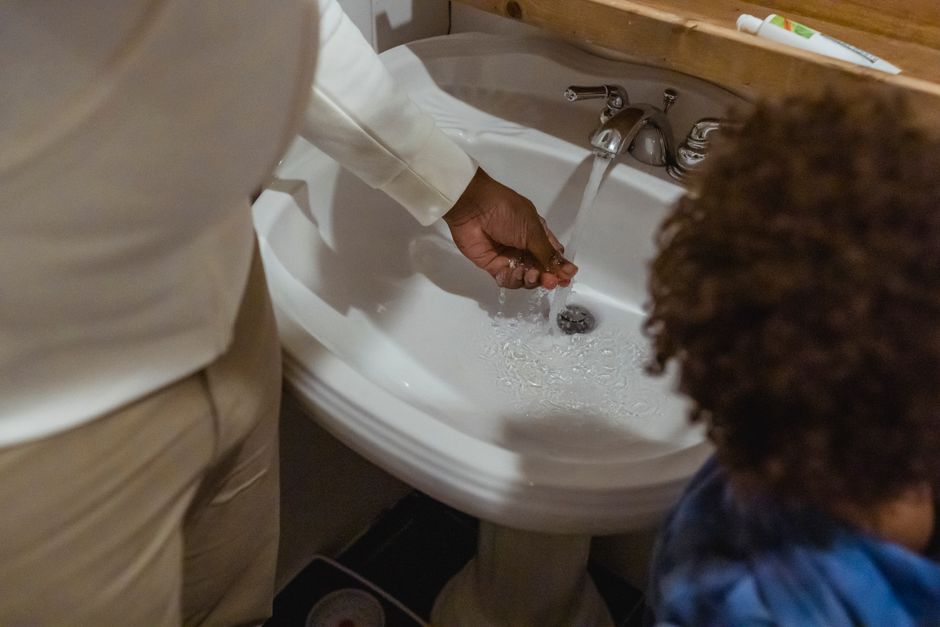
Eight Salmonella outbreaks linked to backyard poultry are running simultaneously right now. Not one, not two. Eight. As of June 25, 2026, the CDC has confirmed 513 sick people across 43 states and a U.S. territory, with 134 hospitalizations and one death in Washington state. This is the largest outbreak event of the year, it’s happening at peak season, and if you have chickens in your yard, this is the moment to pay attention.
The timing is not random. Most people bought their spring chicks in March or April. Those birds are now 10 to 16 weeks old, which is exactly when Salmonella shedding peaks. The kids are home for summer. Everyone is spending more time outside. The CDC data shows that 84% of case-patients who owned backyard poultry got their birds since January 1, 2026, mostly from agricultural retail stores like feed stores and farm supply chains. This isn’t a fringe situation involving a handful of careless keepers. The spring 2026 chick-buying surge is the direct driver of a multi-state public health event.
What You’re Actually Up Against
| Salmonella Strain | Confirmed Cases | Key Resistance Profile | Geographic Spread |
|---|---|---|---|
| Saintpaul | 133 | Fosfomycin, chloramphenicol, streptomycin, sulfisoxazole, tetracycline | Multi-state |
| Enteritidis | Ongoing investigation | Multiple antibiotic resistance | Multi-state |
| Mbandaka | Ongoing investigation | Multiple antibiotic resistance | Multi-state |
| Indiana | Ongoing investigation | Multiple antibiotic resistance | Multi-state |
| Infantis | Ongoing investigation | Multiple antibiotic resistance | Multi-state |
| 3 Additional strains | Ongoing investigation | Multiple antibiotic resistance | Multi-state |
The eight strains under active CDC investigation are not all equal. Saintpaul is the biggest one: 133 patients as of the June 17 investigation update. Enteritidis, Mbandaka, Indiana, and Infantis round out the list, each with its own case count, its own geographic spread, and critically, its own antibiotic resistance profile. Several of these strains are showing resistance to fosfomycin, chloramphenicol, streptomycin, sulfisoxazole, and tetracycline. That means if someone gets seriously sick, treatment options narrow fast.
Seven hatcheries have been linked to outbreak strains so far. Here’s the thing that trips people up: there is no recall coming. Salmonella in live birds isn’t a packaged product situation where the FDA pulls SKUs off shelves. The birds stay. The CDC’s guidance is entirely focused on handling practices, not flock removal. So the responsibility falls squarely on you.
The Kid Problem Is Bigger Than You Think
One in four people sickened in this outbreak is a child under five. That number should land hard. Young children touch everything and then touch their faces. They’re at eye level with birds. They’re exactly the demographic that ignores the “don’t kiss the chickens” rule even when they know the rule exists.
Summer compounds this in ways that are easy to underestimate. School’s out, kids are in the backyard more, and the novelty of spring chicks hasn’t worn off yet. A 14-week-old pullet is still fluffy enough to be irresistible. The risk window is open right now, this week, in your yard.
The hard conversation to have: children under five should not handle backyard poultry at all during an active outbreak period. Not “wash hands after.” Not “be careful.” Not at all. That’s a difficult position to hold when the whole point of keeping chickens was partly for the kids to love on them, but the hospitalization data doesn’t negotiate.
What Actually Reduces Risk Right Now
Handwashing after flock contact is the baseline. It’s also the step most people do inconsistently. The CDC’s position is specific: wash hands with soap and water immediately after touching birds, eggs, equipment, or anything inside the coop. Hand sanitizer is not a substitute here; Salmonella on hands requires mechanical removal.
Keep the birds out of the house. This one gets ignored constantly because chicks are started inside under heat lamps, and the habit of letting birds wander into living spaces forms early. Fully feathered birds at this age need to be outside. No exceptions. Coops tracked into kitchens via boots are also a real vector, so designate coop shoes or clean footwear before entering the house.
Your coop cleaning schedule matters more right now than it normally would. Salmonella thrives in warm, wet environments, which describes a summer coop in most of the country. Scrape and replace bedding more frequently than you think necessary. The deep-litter method, which I use through winter, is not your friend in July during an active outbreak. Clean more, clean often.
Collect eggs daily and don’t wash them until you’re ready to use them. Washing removes the bloom and opens the door for bacteria to penetrate the shell. Refrigerate promptly. These are standard practices, but they matter more when the strains circulating are the ones currently hospitalizing people.
Know When This Becomes a Medical Situation
Salmonella illness typically starts 6 hours to 6 days after exposure. Diarrhea, fever, stomach cramps. Most people recover in 4 to 7 days without treatment. But the resistance profile of the 2026 strains means you should not wait and see if symptoms are severe, if the sick person is a child under five, elderly, pregnant, or immunocompromised, or if diarrhea is bloody.
Tell your doctor you have backyard poultry. That context changes the clinical picture immediately. Given that some strains are resistant to multiple antibiotics, the treatment path may require culture and sensitivity testing rather than a standard empiric prescription. Your doctor needs to know what they’re working with.
Your Hatchery Source Is Worth Checking
Seven hatcheries have been linked to the outbreak strains, per the CDC’s investigation update from June 17, 2026. The CDC and state health departments are working to identify which specific hatcheries supplied infected birds to retail stores. If you bought chicks this spring from a feed store, check whether that store has posted any supplier notifications. Some states have been more aggressive about communicating this than others.
This is also a reason to buy directly from NPIP-certified flocks when you can, and to ask feed stores about their supplier before next spring’s chick season. The spring retail chain, hatchery to distributor to feed store to your coop, has a lot of nodes where biosecurity can fail.
The outbreak is active, it’s large, and the birds most likely to be carrying one of these strains are the ones that arrived in American backyards this spring. Tighten your handling protocols, keep small children away from direct bird contact, and don’t wait for symptoms to get serious before seeking care. The CDC isn’t recommending you get rid of your flock. They’re asking you to take this seriously. That’s a reasonable ask.
Sources
- CDC , Salmonella Outbreaks Linked to Backyard Poultry (Investigation Page) (June 17, 2026)
- MedicalDaily , Backyard Poultry Salmonella Outbreak Is Still Active with 513 Cases (June 30, 2026)
- CDC Newsroom , UPDATE: Ongoing Salmonella outbreaks linked to backyard poultry (May 14, 2026)
- Food Poison Journal , Salmonella Outbreaks of 2026 (May 31, 2026)
- CDC , Investigation Update: Salmonella Outbreaks, April 2026 (June 17, 2026)
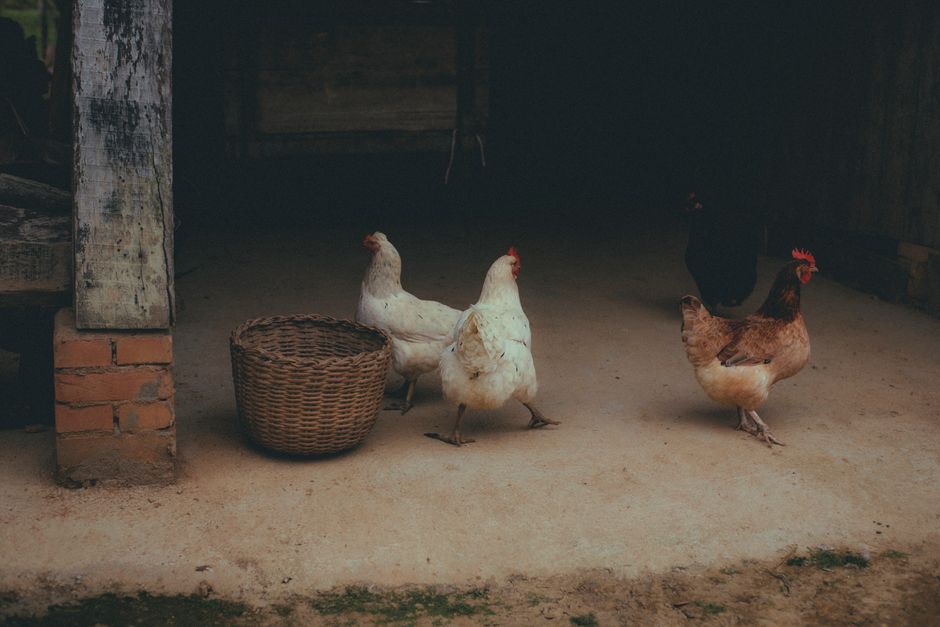
Photo: Keira Burton via Pexels