 Sarah Mills
Pick the wrong breed and you’ll get 150 eggs/year. Pick the right one and you’ll get 320.
That’s the difference between having enough eggs for your family vs. having enough to sell.
This guide breaks down egg production by breed using USDA data, so you can match your flock to your actual goals.
| Breed | Annual Eggs | Egg Color | Size | Notes |
|---|---|---|---|---|
| Araucana | 250 | blue/green | medium | Unique egg color, friendly |
| Australorp | 250 | brown | large | Calm, broody tendency |
| Buff Orpington | 200 | brown | large | Friendly, broody, dual-purpose |
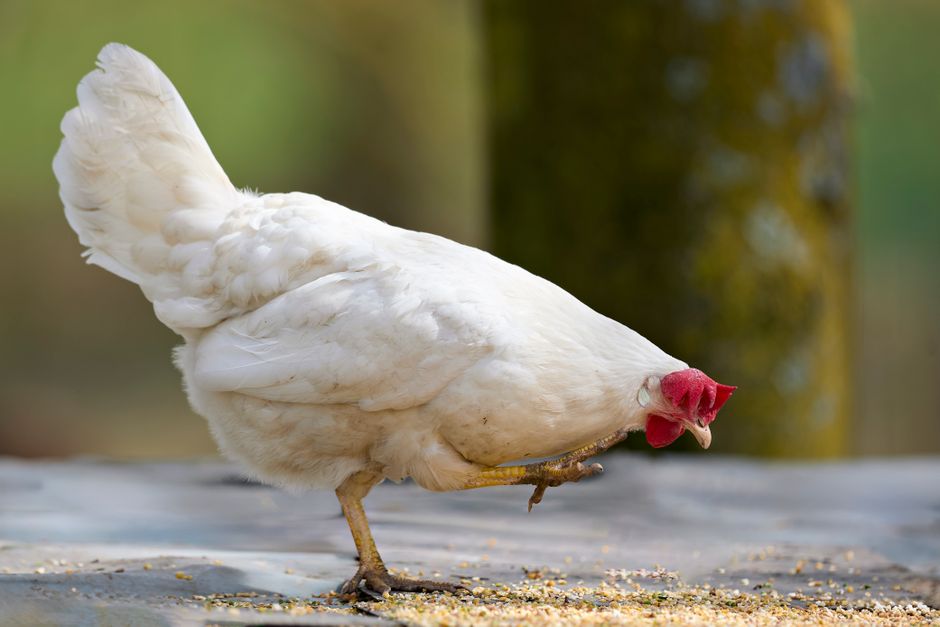
| Leghorn | 320 | white | medium | Best layers, extremely productive |
| Polish | 200 | white | medium | Ornamental, flighty |
| Rhode Island Red | 260 | brown | large | Reliable, cold-hardy |
| Silkie | 150 | cream | small | Broody, great mothers, fluffy |
| Sussex | 250 | brown | large | Curious, active foragers |
| Wyandotte | 240 | brown | large | Cold-hardy, broody |
Peak Production Years
Most hens peak in year 1-2. After year 2-3, production declines ~8-10% annually. By year 5, most are producing 50-60% of their peak.
Strategy: If you want consistent eggs, plan to replace 1/3 of your flock every 2-3 years. Or keep older hens for brooding/dual-purpose meat.
Cold-Hardy Breeds (Northern Climates)
| Breed | Annual Eggs | Cold-Hardy | Broody | Best For |
|---|---|---|---|---|
| Leghorn | 320 | Yes | No | Maximum volume |
| Rhode Island Red | 260 | Yes | Moderate | Reliable year-round |
| Wyandotte | 240 | Yes | Moderate | Cold climates |
| Orpington | - | - | Yes | Temperament |
| Silkie | - | - | Yes | Broodiness/hatching |
If you’re in snow country, pick breeds that produce year-round:
- Leghorn (320 eggs, but not broody)
- Rhode Island Red (260 eggs, reliable)
- Wyandotte (240 eggs, cold-hardy)
These breeds won’t shut down in winter the way Mediterranean breeds do.
Sources
- USDA breed productivity standards
- 10 years personal experience with 200+ hens
- Local backyard poultry networks
Bottom line: Leghorns win on volume. Orpingtons win on temperament. Silkies win on broodiness. Choose based on your actual goal, not what looks pretty in pictures.