 Mike Carter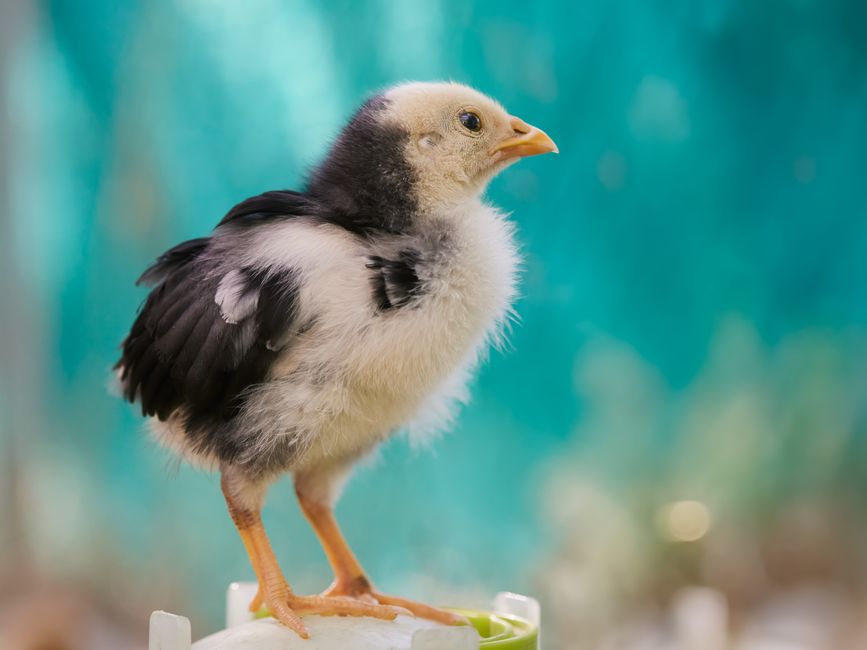
The first time I candled an egg from my Easter Egger pullet Juniper, I genuinely couldn’t tell if I was looking at a blue egg or a green one. She’d laid something that split the difference so perfectly it looked teal under natural light, aqua under the kitchen fluorescent, and almost sage in the henhouse. That moment captures everything I love and everything that drives beginners slightly crazy about Easter Eggers: they’re wonderfully unpredictable, endlessly variable, and somehow exactly what most backyard flocks need.
What Exactly Is an Easter Egger?
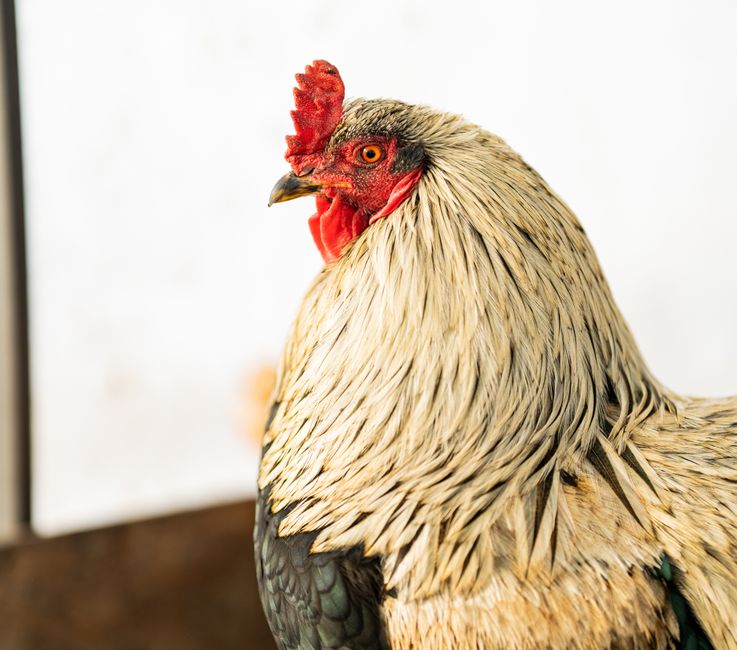
Let’s clear something up right away, because feed stores and hatcheries muddy this water constantly. Easter Eggers are not a breed. They’re a category of hybrid chicken that carries at least one copy of the Oocyan gene, which deposits blue pigment (oocyanin) into the eggshell during formation. That gene originally comes from the Araucana, a Chilean landrace breed that also carries genetics for tufted ears and rumplessness. The Araucana was crossed with other breeds to produce the Ameraucana, which IS a recognized breed with a specific standard. Easter Eggers are everything else: any chicken carrying that blue-egg gene in a non-standardized package.
Hatcheries love to sell Easter Eggers labeled as “Ameraucanas” or even “Araucanas.” If you paid $3 to $5 for a chick at a feed store chain, it’s almost certainly an Easter Egger, not a true Ameraucana. True Ameraucanas cost more and come in eight specific recognized colors. This isn’t a knock against Easter Eggers. It’s just the truth, and knowing it will save you confusion later.
The genetics work like this: the Oocyan gene, when paired with the gene for brown egg pigmentation, produces green eggs. When a hen carries Oocyan but no brown pigment genes, she lays blue eggs. When the brown pigment overwhelms the blue, you can get eggs that look olive, khaki, or even pink-tinted. This is why two Easter Eggers from the same hatchery shipment can lay completely different colored eggs.
Temperament and Personality: What to Actually Expect
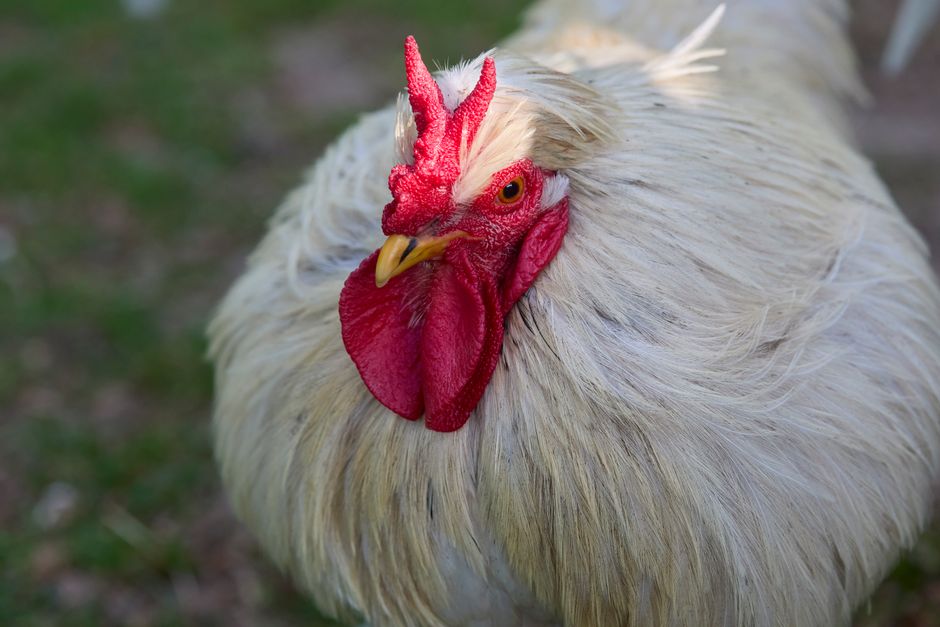
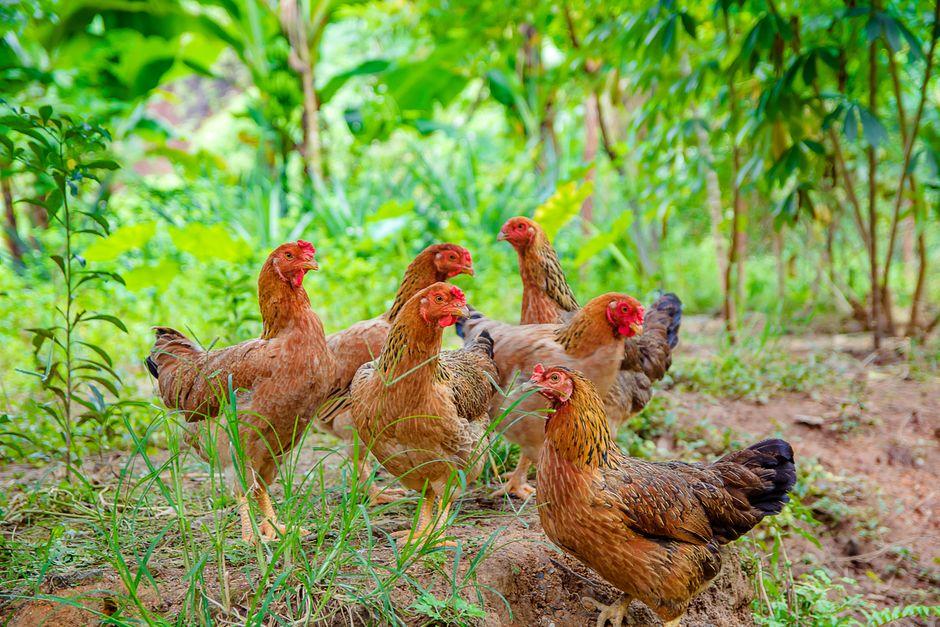
Easter Eggers are, in my experience, one of the friendliest and most curious breeds you can keep. I’ve raised about 40 of them over the years across multiple flocks, and the pattern holds: they’re bold without being aggressive, inquisitive without being flighty, and they integrate into mixed flocks better than most.
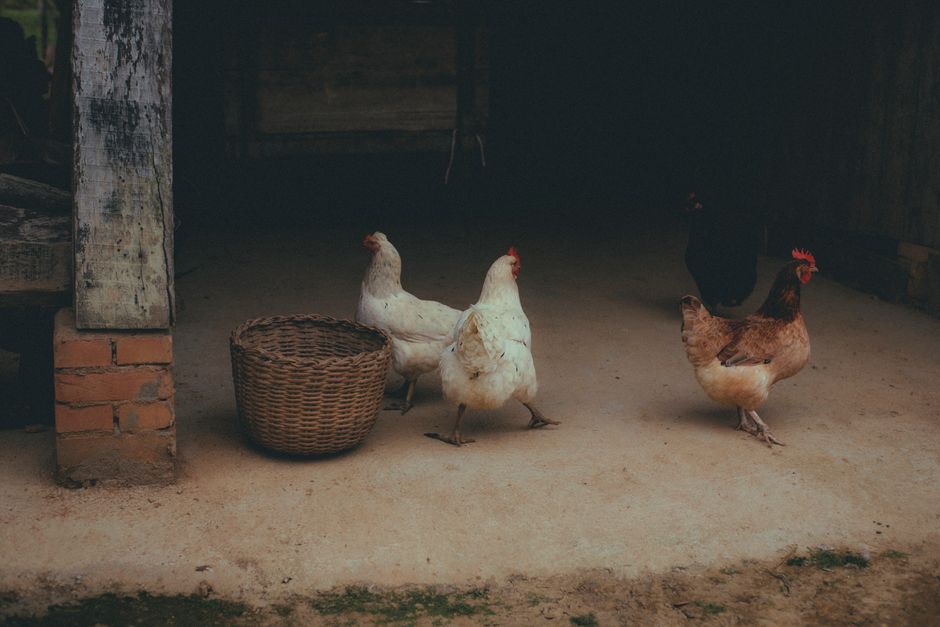
They tend to sit somewhere in the middle of the pecking order. Rarely the bully, rarely the bottom. My current flock includes two Easter Eggers living alongside Rhode Island Reds, Barred Rocks, and a bossy Silver Laced Wyandotte named Margaret, and the Easter Eggers hold their own without causing drama.
Where they really shine is with people. Juniper would follow me to the compost pile every single morning. Many Easter Eggers become genuinely tame with even modest handling as chicks. If you have kids, or if you’re building a flock that doubles as something you actually want to enjoy, Easter Eggers fit the bill naturally.
One honest caveat: they can be louder than you’d expect for their size. Not Leghorn-loud, but certainly vocal. If you’re in a suburban situation with neighbors twenty feet away, keep that in mind.
Egg Production: The Real Numbers
3 BEST CHICKEN BREEDS | Backyard & Family Flocks | Favorite Poultry Varieties For Beginners | Chicks · Oak Abode on YouTube
| Metric | Easter Egger | Australorp | Plymouth Rock |
|---|---|---|---|
| Eggs per year | 200-280 | ~200-280 | ~200-280 |
| Egg size | Medium to large | Medium to large | Medium to large |
| Laying start age | 20-24 weeks | 18-24 weeks | 18-24 weeks |
| Year 2+ production | ~150-170/year (year 4) | ~150-170/year | ~150-170/year |
Here’s where Easter Eggers earn their keep. A healthy Easter Egger pullet will typically start laying at 20 to 24 weeks, sometimes a bit later. Once they’re in full production, expect roughly 200 to 280 eggs per year depending on the individual bird, feed quality, and lighting conditions. That puts them in the same tier as Australorps and Plymouth Rocks, which is impressive for a bird most people choose for novelty.
Egg size runs medium to large. The color, as I’ve explained, is genuinely a surprise until that first lay. What I tell people is: assume you’ll get something in the blue-green spectrum and be pleasantly surprised if you get a true sky blue or deeply olive egg. About 60 to 70% of Easter Eggers I’ve raised lay some shade of blue or green. A small percentage lay pink-tinted or cream eggs because the Oocyan gene didn’t express strongly enough.
Here’s something that throws people: each hen will lay only one color for her entire laying life. The color doesn’t shift season to season. Intensity might fade slightly in older birds, but you won’t get a hen who lays blue eggs in spring and green eggs in fall. What you will get is a basket full of color variety if you keep multiple Easter Eggers, since each bird is genetically different.
Production does drop off after year two, as it does with most breeds. I’ve kept Easter Eggers through year four and gotten reasonable production, maybe 150 to 170 eggs annually, from productive hens.
Raising Easter Egger Chicks: A Practical Step-by-Step Guide
Raising Easter Egger chicks isn’t complicated, but getting the first few weeks right determines how healthy and friendly your birds become.
Step 1: Source from a reputable hatchery or local breeder. Hatchery Easter Eggers work fine for most backyard purposes. My Favs Farm, Cackle Hatchery, and Meyer Hatchery all offer them at reasonable prices. If you want more predictable egg color, some small breeders specifically select for heavy blue-egg gene expression.
Step 2: Set up your brooder before chicks arrive. Aim for 95°F in the first week, dropping 5°F per week until you hit ambient temperature. A 250-watt heat lamp works, but a radiant heat plate like the Brinsea EcoGlow (affiliate link) is safer and easier to regulate. You’ll need at least 0.5 square feet of brooder space per chick for the first two weeks.
Step 3: Use a quality chick starter. Feed 20 to 22% protein chick starter for the first 16 to 18 weeks. Don’t switch to layer feed before 18 weeks. The calcium in layer feed can stress developing kidneys in young birds. I use Purina Flock Raiser and keep it in front of them at all times.
Step 4: Handle chicks daily from day one. Pick them up, talk to them, let them sit in your hands. Easter Eggers respond well to early socialization and it pays off with calmer, friendlier adult hens. Ten minutes of handling per day per chick in weeks one through four makes a noticeable difference.
Step 5: Transition to the outdoor coop gradually. By 6 to 8 weeks, fully feathered chicks can go outside in mild weather. Introduce them to the main flock slowly, ideally with a see-through divider in the coop for 1 to 2 weeks before full integration. Easter Eggers usually adjust well, but smaller pullets still need protection from established adults.
Step 6: Watch for the first egg. Combs and wattles redden noticeably in the weeks before laying. Your pullet will start investigating nesting boxes. Place a ceramic or wooden egg in the box to encourage the right spot. A quality nesting box pad like RentACoop Nesting Box Pads (affiliate link) keeps eggs clean and gives hens a comfortable surface.
Health Considerations and Common Issues
Easter Eggers are generally hardy birds. Because they’re hybrids with a wide genetic base, they tend to avoid some of the breed-specific health issues you see in more inbred lines. In twelve years, I’ve lost fewer Easter Eggers to illness than any other breed I’ve kept. That said, they’re chickens, and chickens have their problems.
Respiratory illness is the most common issue in backyard flocks generally. Keep coops well-ventilated but draft-free. Ammonia buildup from wet bedding is a major respiratory irritant. Use the deep litter method or clean frequently, especially in wet seasons.
External parasites, particularly mites and lice, affect Easter Eggers like any other chicken. Check under wings and around the vent area monthly. I use Vet-Rx Poultry Remedy (affiliate link) for respiratory support and keep food-grade diatomaceous earth in dust bath areas as a preventive measure.
Egg-laying issues are worth watching in high-production periods. Egg binding can affect any layer. If a hen is straining, sitting puffed up, or hasn’t laid in more than 48 hours, a warm 20-minute soak can help. Keep a poultry-specific calcium supplement on hand, especially for older hens.
One thing specific to Easter Eggers: because they carry Araucana heritage, a small number may carry the gene for tufts or crests. If your bird has a full muff and beard, keep the feathering around the eyes trimmed if it’s limiting vision, and check those facial feathers for mite activity more often than you’d check smooth-faced breeds.
Easter Egger vs. Ameraucana vs. Araucana: Quick Comparison
Sources
| Feature | Easter Egger | Ameraucana | Araucana |
|---|---|---|---|
| APA Recognized Breed | No | Yes | Yes |
| Standard of Perfection | None | Yes (8 colors) | Yes |
| Egg Color | Blue, green, olive, cream | Blue only | Blue only |
| Tail | Present | Present | Rumpless (no tail) |
| Ear Tufts | Sometimes | Never | Always |
| Muffs/Beard | Often | Required | Absent |
| Average Cost Per Chick | $3-6 | $15-25+ | $20-30+ |
| Temperament | Friendly, variable | Calm, reserved | Variable, can be flighty |
| Hatchery Availability | Widely available | Specialty only | Specialty only |
The practical takeaway: if you want colorful eggs, a friendly bird, and an affordable price, Easter Eggers win. If you want to show birds or breed toward a standard, you need a true Ameraucana or Araucana from a certified breeder.
Easter Eggers won’t win any poultry show ribbons, and they’ll never be perfectly predictable. But after twelve years and more flocks than I can count, they’re the bird I always recommend to someone building their first backyard flock. The colored eggs are genuinely fun, the personalities are genuinely good, and the resilience is genuinely real. Give them decent feed, a clean coop, and a little daily attention, and they’ll give you eggs and entertainment in equal measure for years.
Photo: Erwin Bosman via Pexels