 Janet Wilson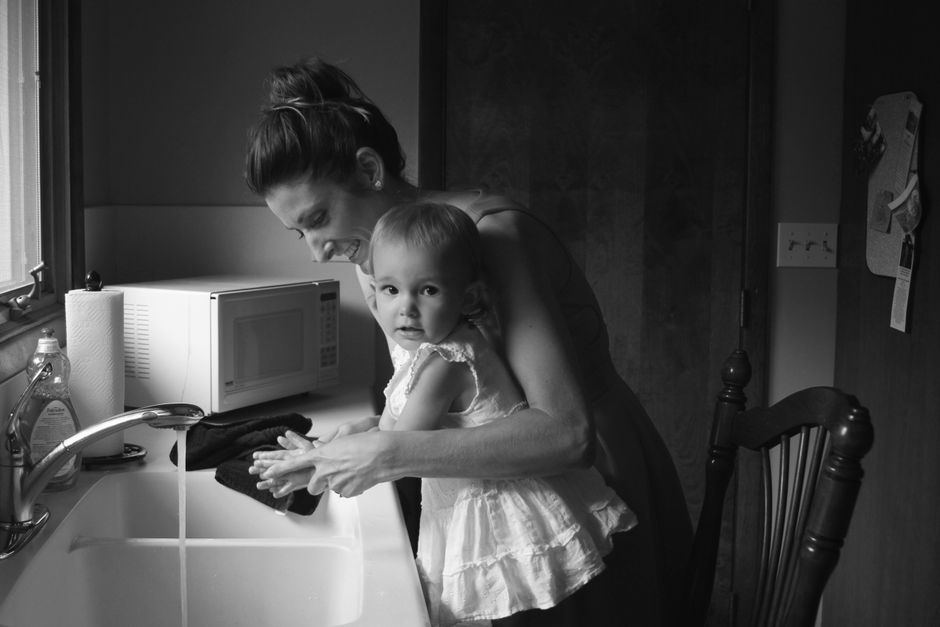
If you picked up baby chicks from a feed store or hatchery this spring, you need to read this. Right now, the CDC is tracking 513 sick people across 42 states and a U.S. territory in active Salmonella outbreaks tied directly to backyard poultry, with 53 hospitalizations and one death already confirmed in Washington state. This isn’t a story about a few unlucky families who didn’t wash their hands. This is the largest and most medically alarming backyard poultry outbreak I’ve seen get this level of CDC attention, and what makes it genuinely different from past spring flare-ups is the drug resistance baked into these strains.
What’s Actually Circulating in Your Flock Right Now
| Salmonella Strain | Confirmed Cases | Antibiotic Resistance Profile | Severity Note |
|---|---|---|---|
| Saintpaul | 133 | Ampicillin, ceftriaxone, ciprofloxacin, fosfomycin | Largest problem strain; fosfomycin resistance particularly concerning |
| Enteritidis | Part of 513 total | Not specified in article | - |
| Indiana | Part of 513 total | Not specified in article | - |
| Infantis | Part of 513 total | Not specified in article | - |
| Mbandaka | Part of 513 total | Not specified in article | - |
| Total Outbreak | 513 cases across 42 states + 1 territory | Multiple drug-resistant strains | 53 hospitalizations, 1 death (Washington state) |
Five Salmonella strains are involved in this outbreak: Enteritidis, Indiana, Infantis, Mbandaka, and Saintpaul. Saintpaul is the biggest problem with 133 confirmed cases on its own. That name might not mean much to most backyard keepers, but it matters to doctors, because when whole genome sequencing was run on outbreak samples, the results showed predicted resistance to ampicillin, ceftriaxone, and ciprofloxacin. Those are frontline antibiotics, the drugs your child’s pediatrician would reach for first if they were seriously ill. Some strains are also showing resistance to fosfomycin, which is genuinely a last-resort drug. That’s not a phrase that gets used casually in medicine.
What this means practically: if a child in your household gets infected and becomes seriously ill, treating it may be harder and take longer than a typical Salmonella infection. The gap between “unpleasant stomach illness” and “ICU admission” narrows when the bacteria shrug off the antibiotics that would normally clear it.
Medscape reported on this drug resistance back in April, and the picture has only gotten more serious since then. The CDC’s updated investigation notice from June 17, 2026 confirms the outbreak is still active and new cases are still emerging.
The Spring Chick Season Connection Is Impossible to Ignore
Here’s the part that should make every keeper who bought birds this year pay attention: 84% of the sick poultry owners got their birds since January 1, 2026. That’s not a coincidence. That’s a direct line from spring chick season to hospital rooms. Seven hatcheries have already been linked to outbreak strains, though the CDC hasn’t released a public list of the specific hatcheries by name as of this writing.
I’ve watched this pattern play out in smaller outbreaks before. Spring is when hatcheries are running at full capacity, chicks are moving fast, biosecurity gets stretched thin, and thousands of first-time keepers who have never handled poultry bring home a box of peeping fluff and immediately let their kids hold them over the kitchen sink. The scale this year, though, is different.
If you purchased chicks or ducklings from a feed store, swap meet, or directly from a hatchery between January and now, assume you could have a shedding bird in your flock. Salmonella-positive birds look completely healthy. There is no visual sign. The bird eats, lays, and acts normal while shedding bacteria in its droppings continuously.
Children Under 5 Are at the Center of This Outbreak
More than 25% of the people sickened are children under 5 years old. The CDC has updated its guidance to say children under 5 should not handle chicks, ducklings, or backyard poultry at all. Not “wash hands carefully afterward.” Not “supervise closely.” The recommendation is no contact.
I know that’s a hard sell if you started keeping chickens partly so your kids could experience something real and tangible. I get it. But a 2-year-old can’t reliably keep her hands out of her mouth, and drug-resistant Salmonella in a toddler is a genuinely terrifying medical situation. This is one of those years where the risk-benefit calculation has shifted.
Medical Daily covered how pediatricians are now seeing families in urgent care who had no idea their backyard flock was the source of illness, partly because the incubation period, usually 6 hours to 6 days, makes it easy to connect the sickness to something else entirely, like a restaurant meal or a playground.
The practical line I’d draw: keep young children out of the coop and run area entirely until this outbreak is resolved and you have a cleaner picture of what’s circulating. If you do any chick-related care, it happens outside, you change clothes before coming back in, and hands get washed before any child contact.
What You Should Be Doing Differently Right Now
The hygiene basics haven’t changed, but the stakes around them have. Dedicated coop shoes that never come inside. Hands washed with soap and water immediately after any contact with birds, eggs, or anything in the coop. Eggs wiped down rather than washed until you’re ready to use them, and refrigerated promptly. None of that is new. What’s new is the urgency behind it.
A few things specifically worth tightening up this summer: don’t bring birds into the house for any reason, including for photos or “just a minute.” Don’t let birds into spaces where food is prepared or where young children play on the floor. If you collect eggs with bare hands, wash before touching anything else. And if anyone in your household develops bloody diarrhea, high fever, or severe cramping in the days after any contact with your flock, tell the doctor you keep backyard poultry and mention the current CDC outbreak. That context matters for treatment decisions, especially now that drug resistance is in the picture.
I’d also genuinely recommend reaching out to whatever hatchery you used this spring and asking directly whether they’ve been contacted by the CDC or state health departments. You may not get a straight answer, but the question is worth asking.
Whether to Keep Your Flock or Pause
This is the question I’ve been getting from people in my local keeper community, and it’s a fair one. My honest answer is that culling a healthy flock over a public health advisory isn’t something I’d do, but I would treat my entire biosecurity setup as compromised and rebuild my habits from scratch. The birds themselves aren’t the enemy here. The practices around them are the variable you can actually control.
If you have a child under 5 or an immunocompromised person in your home, this spring and summer is the time to be especially conservative. The outbreak is still active. Cases are still being added. The hatchery supply chain that seeded this across 42 states is still running.
Stay current with the CDC investigation page. This situation has been moving fast since April, and what’s true this week may shift again before the end of summer.
Sources
- CDC Investigation Update: Salmonella Outbreaks Linked to Backyard Poultry (June 17, 2026)
- Your Backyard Chickens Could Make Your Child Seriously Ill, CDC Warns Families, Medical Daily (June 25, 2026)
- Drug-Resistant Salmonella Points to Risk of Backyard Poultry, Medscape (April 30, 2026)
- US Salmonella Outbreaks Linked to Backyard Poultry, The Poultry Site (May 15, 2026)
- CDC Announces Salmonella Outbreak in 13 States Linked to Backyard Poultry, CDC Newsroom (April 23, 2026)
Photo: Jennifer Murray via Pexels