 Dr. Tom Henderson
Nobody warned me that my “cheap” backyard egg setup would cost me $1,400 before a single hen laid her first egg. I’d read all the beginner guides. I bought the $89 starter coop from Tractor Supply, grabbed six chicks at $4.99 each from the local feed store, and figured I was being smart and frugal. I was not.
The real cost of raising chickens is one of the most consistently undersold topics in the hobby. People love to talk about the $0.30 egg math. Nobody wants to talk about the $600 predator-proof hardware cloth retrofit they had to do after losing their first flock to a raccoon that ripped through the cheap wire stapled to that starter coop. I’ve had both experiences. Let me give you the actual numbers.
Startup Costs: Where Most People Underestimate
| Cost Category | Low Estimate | High Estimate | Notes |
|---|---|---|---|
| Coop (DIY moderate quality) | $300 | $450 | Pre-built: $300-$800 |
| Run construction | $150 | $350 | Covered, predator-resistant |
| Hardware cloth | $100 | $200 | For coop and run |
| Chicks (six pullets) | $30 | $90 | Hatchery or feed store |
| Brooder setup | $40 | $80 | Heat lamp, box, bedding |
| Feeder and waterer | $25 | $60 | - |
| Initial feed, grit, electrolytes | $40 | $60 | - |
| Nesting box pads/straw | $15 | $30 | - |
| Total First-Year Startup | $700 | $1,320 | Before birds enter coop |
The coop is the first place the budget goes sideways. Here’s the honest breakdown: a coop suitable for four to six hens, one that doesn’t need major rework within a year, is going to run you between $300 and $800 if you buy pre-built. The $89 Tractor Supply coops and the similar ones on Amazon ($120-$250) are, I’ll be honest, not adequate for serious keeping. The latches are flimsy. The ventilation is terrible. The floor gaps are wide enough for weasels. I know this because I used one.
If you’re handy, a DIY coop built from dimensional lumber, OSB for the walls, and hardware cloth runs roughly $200-$450 in materials depending on your region. The hardware cloth alone is significant: a roll of 1/2-inch galvanized hardware cloth from Home Depot runs about $55-$75 for 25 feet by 2 feet, and you’ll use more than one.
Then there’s the run. A covered, predator-resistant run adds another $150-$400 depending on size. Apron wire around the base, buried six inches out, is non-negotiable if you have raccoons, skunks, or foxes nearby (and you almost certainly do, even in the suburbs).
Here’s what realistic startup for four to six hens actually looks like:
- Coop (DIY moderate quality): $300-$450
- Run construction: $150-$350
- Hardware cloth for coop and run: $100-$200
- Chicks (six pullets from a hatchery or feed store): $30-$90 depending on breed
- Brooder setup (heat lamp, brooder box, bedding): $40-$80
- Feeder and waterer: $25-$60
- Initial feed, grit, and electrolytes: $40-$60
- Nesting box pads or straw: $15-$30
You’re looking at $700 to $1,320 before your birds are even in the coop. What surprised me was how fast the hardware adds up compared to the birds themselves. The chickens are almost the cheapest part.
The Ongoing Cost Nobody Bothers to Calculate
Feed is the biggest monthly expense, full stop. A 50-pound bag of quality layer pellets (I use Purina Layena or Kalmbach Feeds, both around $22-$28 per bag depending on your area) lasts four to six standard-size hens about a month if you’re supplementing with scraps and they have some range time. Six birds with no ranging? You might burn through a bag in three weeks.
Call it $25-$35 per month for feed for a small flock. That’s $300-$420 per year, every year.
Then there’s bedding. If you’re using the deep litter method in a walk-in coop, a bale of pine shavings from Tractor Supply (about $7-$9 for a compressed bale) every two to three weeks is a reasonable estimate. Smaller coops with more frequent cleaning might go through more. Budget $8-$12 per month, $96-$144 per year.
Scratch grains, oyster shell for calcium, occasional treats. Another $5-$10 per month on average if you’re doing this right. Grit too, if your birds don’t have access to natural ground. Not a big expense, a $10 bag lasts a small flock several months, but it’s another thing people forget to budget.
Healthcare costs are where people get genuinely blindsided. In my experience, expect at least one significant health situation per year across a flock of six. Respiratory infections, wry neck from vitamin deficiency, bumblefoot, egg binding. A vet visit for a chicken runs $50-$150 at an avian vet, and not every town has one within a reasonable drive. I’ve learned to treat a lot of things myself. Vetericyn Poultry Care spray ($14 on Amazon) lives in my barn. Tylan Soluble powder for respiratory infections, around $18, has probably paid for itself ten times over. But there will be losses. There will be a hen you didn’t expect to lose.
A realistic monthly operating cost for six laying hens: $38-$60 per month, or roughly $450-$720 per year.
The Real Egg Math
10 Chicken Coop Mistakes you DON'T want to Make ! · Carolina Coops® on YouTube
Here’s where it gets uncomfortable. The average layer hen produces around 250-300 eggs per year in her peak years, dropping off noticeably after year two. Six hens at peak might give you 4-5 dozen eggs per week in summer, maybe 1-2 dozen per week in dead winter without supplemental lighting.
Over a year, six hens might produce 100-130 dozen eggs. At current grocery store prices of $3.50-$4.00 per dozen, that’s $350-$520 in egg value. Organic free-range eggs at $7-$8 per dozen gets you closer to $700-$1,040.
Your annual operating cost is $450-$720. Your first-year cost, amortized over four years (optimistic hen lifespan for production), adds another $250-$330 per year. Total annual cost is somewhere between $700 and $1,050 in a realistic scenario.
The math only works if you value your eggs at premium price and your flock performs well. Most backyard setups do not pay for themselves in any reasonable timeframe if you’re counting labor, even at minimum wage. What they do provide is eggs you know the provenance of, a connection to your food, genuine entertainment, and a hobby that’s genuinely absorbing. If that’s worth it to you, the cost is justified. It was for me.
Where You Can Save (And Where You Shouldn’t)
Skimping on coop construction and predator protection is the most expensive mistake in this hobby. I have friends who’ve rebuilt or significantly upgraded their first coops. Every single one says the same thing: they wish they’d just done it right the first time. Do not use chicken wire. Do not use a coop with a pull-ring latch (raccoons open them). Do not skip the apron wire. A $200 predator-proofing investment prevents a $0 flock.
Feed quality matters, but the difference between a $22 bag of Purina Layena and the cheapest bulk layer pellet at your co-op isn’t going to be dramatic. What matters more is freshness and whether the feed has been stored properly. Old, moldy feed is a health problem.
Where you genuinely can save:
Breed selection. A production red or ISA Brown costs $4-$6 as a chick and lays 280-300 eggs per year. An ornamental or rare breed might cost $20-$60 as a pullet and lay 150-200 eggs. If eggs are the primary goal, stick with sex-linked production breeds. I love my Easter Eggers for the egg color, but they’re not production machines.
Free ranging. Even two to three hours of daily ranging reduces feed consumption noticeably and gives you better yolk color without any supplement. This requires a secure perimeter or a watchful eye, but the savings are real. I’ve estimated 15-20% feed reduction during heavy-ranging months.
DIY feeders and waterers. A 5-gallon bucket nipple waterer costs maybe $12 in parts and lasts indefinitely. A decent hanging feeder from Premier 1 or Little Giant runs $20-$35 and lasts for years. These are worth buying quality once. (Note: this site may earn a commission on Amazon purchases.)
What surprised me most after ten years is how the costs become almost invisible once you’re past the startup phase. The $25 bag of feed is just part of the month. The occasional vet expense is annoying but manageable. The startup costs are real and front-loaded, which is why the first year always feels expensive.
After ten years, I’m still in this. The math has never fully worked out on paper. But I went out to the coop this morning at 7am in January, cracked four eggs for breakfast, and the yolks were a color you don’t see in grocery store eggs. That’s the real answer to whether it’s worth it.
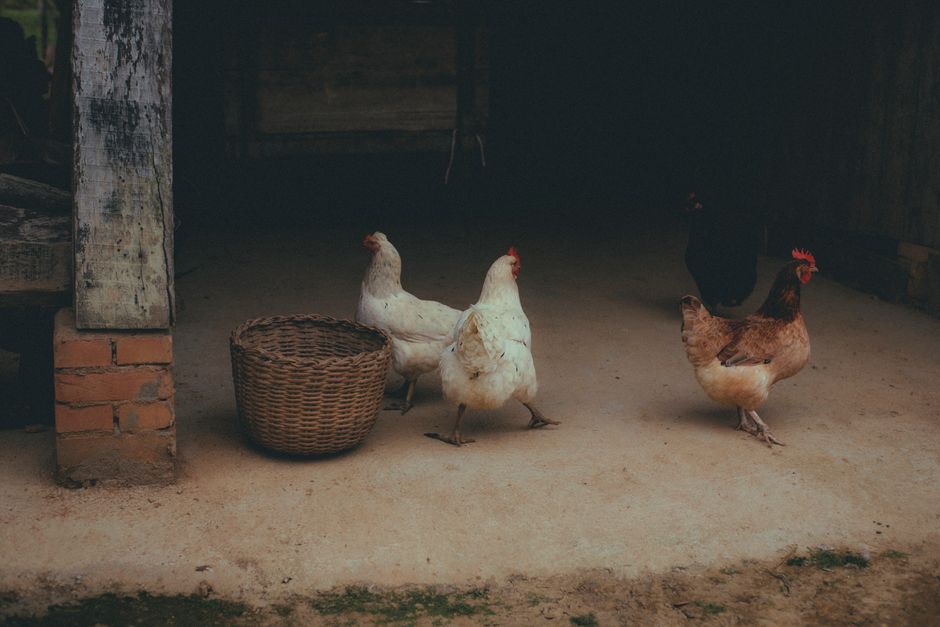
Photo: Bruna Fossile via Pexels
Sources
- Bruna Fossile
- Renogy 200W Solar Starter Kit + 30A Charge Controller
- Renogy 2×100W Monocrystalline Solar Panels
Disclosure: As an Amazon Associate, we earn a small commission from qualifying purchases at no extra cost to you. We only recommend products that genuinely support the topics covered in this article.
- Renogy 200W Solar Starter Kit + 30A Charge Controller (~$169), Complete beginner solar kit, 200W monocrystalline panel, charge controller, and mounting hardware included.
- Renogy 2×100W Monocrystalline Solar Panels (~$99), Expandable 200W panel set from the most trusted DIY solar brand, used widely in off-grid and home backup systems.