 Janet Wilson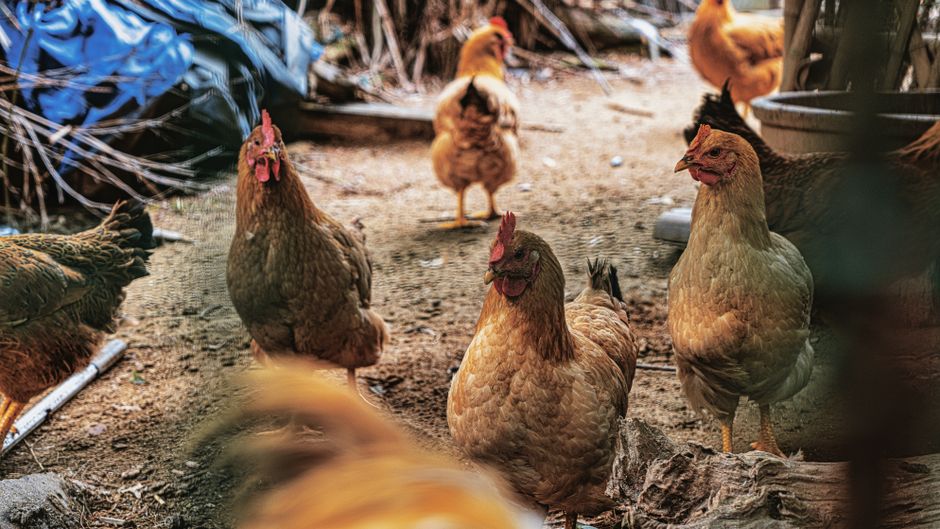
Something shifted in the backyard chicken movement this summer, and it’s not what most people assume. Egg prices have actually dropped. Hard. The $6.23/dozen record from March 2025 is a memory now, with a dozen eggs running about $2.19 at the grocery store as of May 2026. So why are cities legalizing backyard hens faster than ever? Why are Google Trends showing “backyard chickens” and “how to build a chicken coop” spiking again? And why did Rapid City, South Dakota vote 7-2 on April 6, 2026 to legalize up to six hens per residential lot, just months after prices crashed?
I went deep on this. What I found is that something genuinely different is happening, and the cheap-eggs explanation was always only half the story anyway.
Mankato, Minnesota approved a new backyard chicken ordinance on July 13, 2026, capping flocks at four hens per single-family lot with specific coop and run requirements. Burlington, North Carolina has been running a public survey since June, with the comment window closing July 18, even though the city council rejected a nearly identical proposal 3-2 back in 2021, per reporting from the Alamance News. These aren’t fringe towns. This is a wave.
- Egg prices dropped from $6.23/dozen (March 2025) to $2.19/dozen (May 2026), yet backyard chicken interest is still surging.
- Mankato, MN approved up to 4 hens per lot on July 13, 2026; Rapid City, SD legalized up to 6 hens on April 6, 2026.
- Chickens are now America's third most common pet, and 90%+ of owners say they won't eat their birds.
- North Carolina now requires NCFarmID registration for ALL backyard flock owners, regardless of flock size.
- Burlington, NC's council rejected a hen ordinance 3-2 in 2021 , same city is now actively re-surveying in 2026.
It’s Not About the Eggs Anymore
I’ll be honest: for years, the “backyard chickens save money” argument was always shaky. The math rarely worked out. Feed, bedding, a decent predator-proof coop, the occasional vet visit , most small flock owners spend more per egg than they’d ever pay at the store. A Yahoo Life analysis from July 1, 2026 put it plainly: raising backyard chickens won’t guarantee you a profit. It rarely does.
What surprised me was how little that seems to matter to the people getting into it now. Chickens have become the third most common pet in America, behind cats and dogs. And more than 90% of surveyed owners say they would not kill their birds for meat. Read that again. These aren’t micro-farmers. They’re people who name their Buff Orpingtons and take them to the vet. The framing has completely changed from “food production” to something closer to “food-adjacent companionship.”
That shift is showing up in how cities are writing these ordinances too. Mankato’s new rules focus on coop placement, lot size, and neighbor relations, not yield or production standards. Rapid City’s ordinance specifically excludes roosters. Nobody writing these rules is thinking about meat. They’re thinking about noise complaints and property values.
What These Ordinances Actually Allow (and Restrict)
If you’re hoping your newly legal city means you can finally build the flock you want, slow down. The details matter enormously.
| City | Approved | Max Hens | Roosters | Key Restrictions |
|---|---|---|---|---|
| Rapid City, SD | April 6, 2026 | 6 | No | Residential property only |
| Mankato, MN | July 13, 2026 | 4 | Not specified | Coop, run, zoning reqs |
| Burlington, NC | Pending survey (July 18) | TBD | TBD | Previously rejected 3-2 in 2021 |
Four hens is actually a reasonable starter flock. You’ll get roughly 3-4 eggs per day in peak season from good layers like Rhode Island Reds or Production Reds, which drops to near zero during winter molt unless you supplement light. Six hens, like Rapid City allows, gives you genuine flexibility. You can lose a bird (and you will, eventually) without gutting your production.
The rooster bans are universal in these urban ordinances and I have no complaints about that. A rooster crowing at 4:47 AM is the single fastest way to turn your neighbors into enemies. Hens are quiet. This is the argument that keeps winning city councils over.
The Regulatory Picture Is Getting More Complicated
10 Chicken Coop Mistakes you DON'T want to Make ! · Carolina Coops® on YouTube
Here’s the part nobody’s celebrating. As more cities legalize backyard flocks, states are tightening their own oversight. North Carolina is the clearest example right now. In 2026, North Carolina began requiring NCFarmID registration for ALL backyard poultry owners, regardless of flock size. You’ve got two hens? Register. The CityHubGo tracking of North Carolina chicken laws, updated March 27, 2026, shows this playing out city by city alongside the state-level mandate.
The justification is biosecurity, and it’s not unreasonable. Avian influenza has been genuinely disruptive, and state agriculture departments want to know where the birds are if something spreads. I understand the logic. What I’ll be honest about is that this creates a barrier that casual new keepers often don’t know exists until they’re already keeping birds. If you’re in North Carolina and you just got your city’s approval, the state still wants paperwork from you.
Expect other states to follow. The pattern in public health and agriculture is almost always: expand access, then layer oversight on top. That’s what’s happening here.
What the Old Guard of Chicken Keepers Should Know
The research here is mixed on whether this urbanization of chicken keeping is good for the animals or bad. On one hand, more people keeping hens means more demand for quality feed, better coop designs, and avian vets who actually know what they’re doing. On the other hand, people who treat chickens as pets sometimes make medically questionable decisions, like delaying euthanasia for a hen that’s suffering because they’re emotionally attached.
What surprised me most, digging into this, is how little the online conversation has changed to reflect the new reality. You still see the same “chickens will pay for themselves!” posts circulating in Facebook groups, even as Yahoo Life and others are now pushing back on that narrative directly. The gap between what new keepers expect and what they actually experience in year two is still wide.
If you’re in a city that just passed an ordinance, here’s what I’d tell you straight: start with four hens maximum even if your city allows six. Get a coop that’s genuinely predator-proof, not just “probably fine.” A raccoon will test every weak point you have, usually on a Tuesday night. And register with your state ag department before your birds arrive, not after.
The cities are opening the door. Walking through it with your eyes open is still your job.
Sources
- City of Mankato Approves Backyard Chicken Amendment , KEYC News (July 14, 2026)
- Survey About Backyard Chickens in Burlington Closes on Friday , Alamance News (July 16, 2026)
- Rapid City Council Passes Ordinance Legalizing Backyard Chickens , Rapid City Journal (April 6, 2026)
- Raising Backyard Chickens Won’t Guarantee You a Profit , Yahoo Life (July 1, 2026)
- North Carolina Backyard Chicken Laws: Permits by City and County , CityHubGo (March 27, 2026)
Photo: ZhiCheng Zhang via Pexels