 Janet Wilson
If you’d told me ten years ago that chickens would one day rank behind only cats and dogs as America’s most popular pet, I would have laughed and gone back to cleaning my coop. But here we are, July 2026, and that’s exactly where things stand. An estimated 85 million backyard or household chickens now live in the United States, and the cultural shift driving that number isn’t what most people assume. Egg prices crashed back to $2.19 a dozen by May 2026, down from the painful $6.23 high we all felt in March 2025. The economic argument for keeping chickens has largely evaporated. And yet flock numbers keep climbing. Google Trends searches for “backyard chickens” are spiking again. Something else is going on here, and if you’re already keeping hens, or thinking about starting, it’s worth understanding what that something is.
The Math Stopped Working. The People Didn’t Leave.
This is the part that surprises economists but not anyone who actually keeps chickens. When eggs were $6 a dozen, a lot of the coverage framed backyard flocks as a rational financial response to grocery store sticker shock. People built coops, bought pullets, did the math on feed costs, and convinced themselves they were saving money. Most of them were wrong about the savings even then, because the math on backyard chickens almost never works out the way you hope. As Yahoo Finance reported on July 1, 2026, raising backyard chickens won’t guarantee you a profit, and that’s not stopping anyone.
What’s happening is that people came for the eggs and stayed for the chickens. That’s not a cute thing to say. It’s what the data actually shows. A University of Winchester survey of more than 2,000 chicken owners found that over 90% said they would never kill their birds for consumption, and more than 75% did not consider their chickens morally less important than dogs. Those are stunning numbers for an animal that the agriculture industry still classifies as livestock. When three quarters of chicken owners are putting their hens in the same moral category as their Labrador, you’re not looking at a farming trend anymore. You’re looking at a pet trend.
What It Actually Means to Keep a Chicken as a Pet
| Chicken Breed | Temperament | Egg Production | Pet Suitability |
|---|---|---|---|
| Silkie | Calm, responsive, curious | Lower | Excellent |
| Cochin | Calm, responsive, curious | Lower | Excellent |
| Buff Orpington | Calm, responsive, curious | Good | Excellent |
| Easter Egger | Calm, responsive, curious | Good | Excellent |
| Production Red Star | Independent, minimal human interest | Excellent | Fair |
You might be wondering whether chickens are really capable of the kind of bond people associate with dogs or cats. I get that question constantly, and here’s what I tell people: it depends enormously on the breed and how much you handle them early.
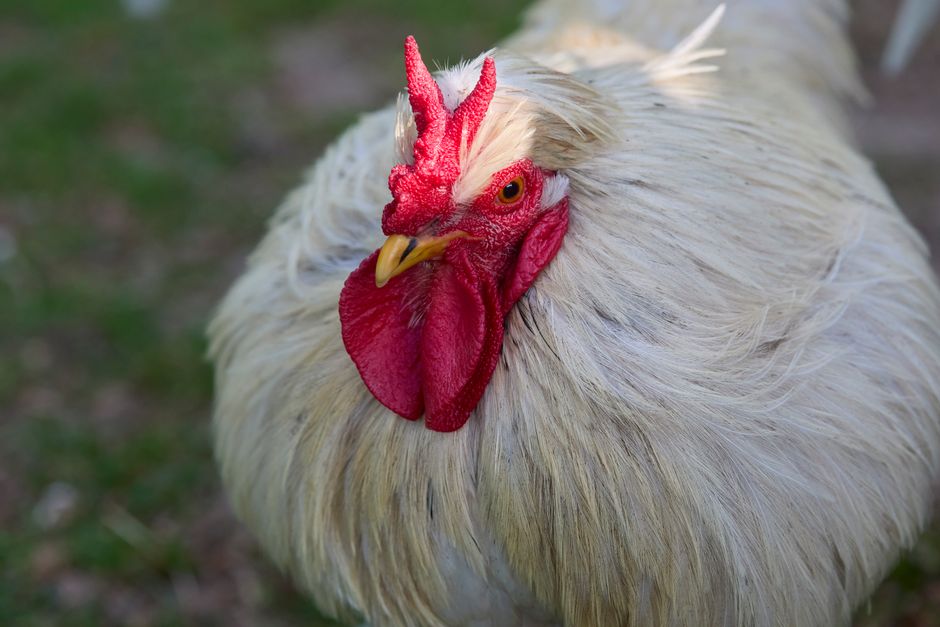
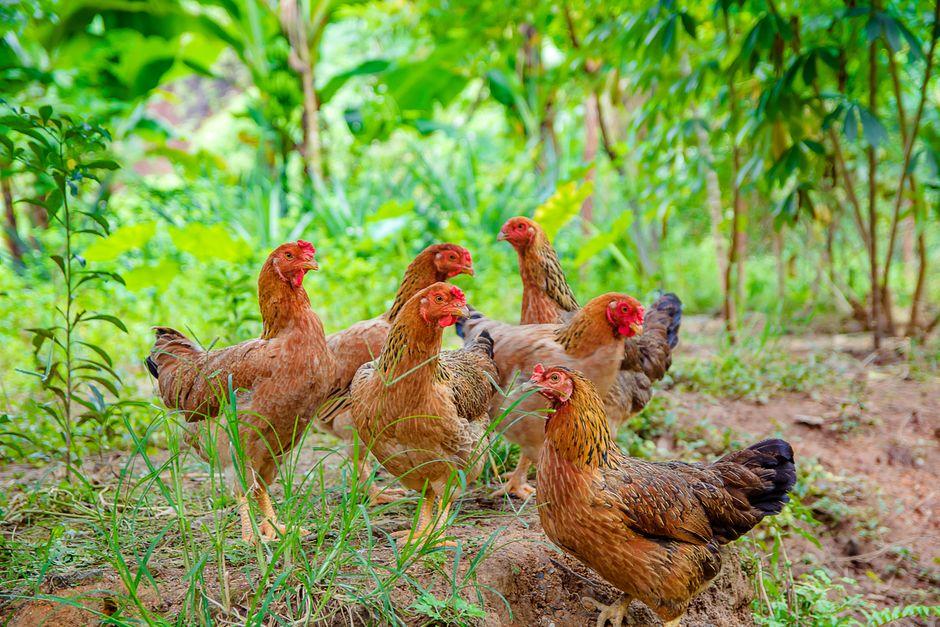
A Silkie raised from a chick and handled daily is a genuinely affectionate animal. She’ll follow you around the yard, come when called, and fall asleep in your lap. A production Red Star from a hatchery that spent her first weeks with minimal human contact is a different experience entirely. She’ll be healthy and lay beautifully, but she may never be particularly interested in you as a person. Breed selection and early socialization matter as much with chickens as they do with any other animal, and most people don’t realize this until they’ve already made their purchase.
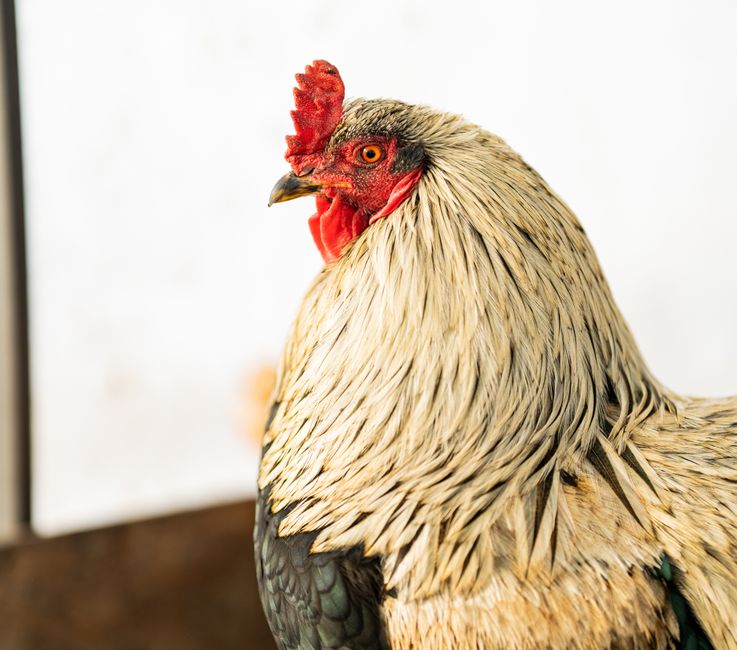
The breeds that tend to form the strongest human bonds are Silkies, Cochins, Buff Orpingtons, and Easter Eggers. These aren’t necessarily your best layers, but they’re curious, calm, and responsive to handling. If companionship is your primary goal, you should be choosing based on temperament first and egg production second. Most hatchery websites lead with production data. That’s the wrong lens if you’re building a pet flock.
The Therapy Chicken Moment
The June/July 2026 issue of Backyard Poultry magazine ran a full feature called “The Wonderful World of Therapy Chickens,” and I think that marks a real turning point in how the mainstream is willing to talk about this. Five years ago, that headline would have read as a joke. Now it’s serious editorial coverage in the oldest poultry publication in the country.
The emotional support animal data backs this up. Chickens generated 44,910 ESA-related searches in a recent study period, making them the top non-traditional emotional support animal in America. Nineteen percent of millennials and 18% of Gen Z specifically favor chickens as ESAs. These are not fringe numbers. What chickens offer that many people find genuinely therapeutic is a combination of routine, outdoor time, and the particular kind of presence that a flock provides. They require you to show up twice a day, they respond to you, and they give you something to pay attention to that isn’t a screen. For a lot of people dealing with anxiety, that structure is meaningful.
I’ve watched this play out in my own backyard. There are mornings when I go out to open the coop purely because I need five minutes outside before the day starts, and the hens are just there, doing their thing, completely unbothered. There’s something grounding about that which is hard to articulate but very real.
What New Owners Need to Know That Nobody Warns Them About
Here’s the practical part. If you’re coming into chicken keeping with a pet mindset rather than a livestock mindset, there are a few things that will blindside you if nobody says them out loud.
First, chickens get sick, and veterinary care for poultry is genuinely hard to find. Most general practice vets won’t see them. Avian specialists will, but they’re not in every city, and a single vet visit can easily cost $150 to $300. If you’re treating your hens as pets, you need to locate an avian vet before you need one, not during a crisis.
Second, hens stop laying. A good production layer gives you strong output for about two years, then tapers off significantly. If you started keeping chickens for eggs and shifted to keeping them as companions, this won’t bother you. But if you didn’t make that mental transition, you may find yourself with three aging hens who haven’t laid in months and no idea what you were supposed to have decided years ago. Have that conversation with yourself before you start, not when you’re staring at an empty nest box.
Third, the new USDA transparency rules that took effect July 1, 2026 under the Packers and Stockyards Act give buyers clearer information about hatchery sourcing, breed ratios, and facility conditions for the first time. This is genuinely useful if you’re buying from a hatchery, because you can now ask better questions and get real answers about where your birds came from and how they were handled. Use that. The sourcing of your chicks matters for both temperament and health outcomes.
The 85 million chickens living in American backyards right now didn’t get there because of egg prices. They got there because a lot of people discovered, usually by accident, that chickens are more interesting and more connected to humans than anyone told them they’d be. That’s not a trend that reverses when grocery stores get cheaper. It’s a genuine shift in how Americans think about these animals, and if you’re part of it, welcome. Just go find that avian vet first.
Sources
- Raising backyard chickens won’t guarantee you a profit. Here’s why that’s not stopping anyone in 2026 , Yahoo Finance (July 1, 2026)
- Backyard Poultry , June/July 2026 Issue (June 2026)
- Backyard Chickens: Poultry, Pets, or Something In Between? , Psychology Today (January 2024)
- The Rise of Emotional Support Chickens , First Saturday Lime (September 2024)
- 2026 USDA Poultry Rule Changes , Backyard Poultry (May 27, 2026)
Photo: Erwin Bosman via Pexels