 Sarah Mills
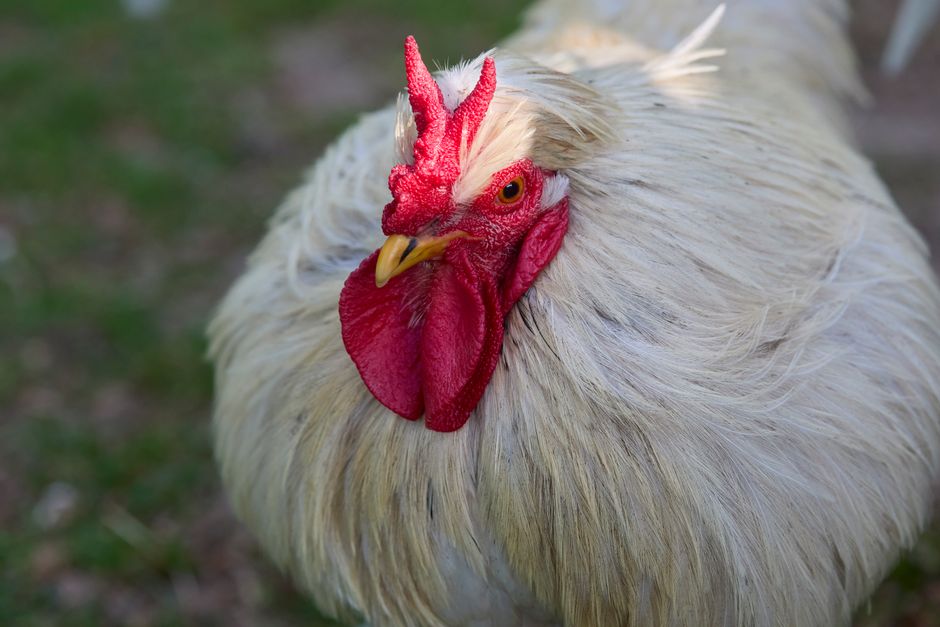
You walked out to the coop one morning and found one of your hens huddled in the corner, feathers missing from her back, not moving toward the feeder. The other birds are acting completely normal. You’re wondering if something attacked her overnight, or if she’s sick. Then you watch for ten minutes and realize it’s the big Buff Orpington doing it, the one you thought was gentle. That right there is the pecking order, and if you don’t understand how it actually works, you’ll keep treating symptoms while the real problem keeps going.
What the Pecking Order Actually Is (And Why It Exists)
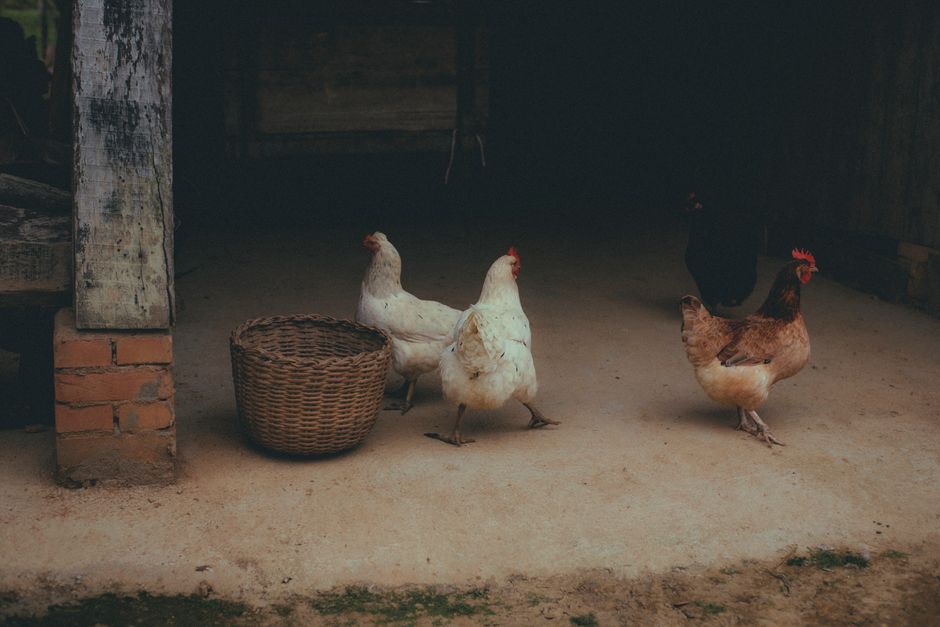
Chickens aren’t randomly mean to each other. Their social hierarchy is hardwired survival instinct that goes back to jungle fowl ancestors. In a wild flock, a clear chain of rank reduces constant fighting. Every bird knows her place. The top hen (or rooster) eats first, drinks first, gets the best roost spot. The bottom bird waits for everyone else. That’s not cruelty. That’s order.
In a backyard flock, this same system plays out every single day. The hierarchy gets established through physical posturing, chasing, and actual pecking. Once it’s settled, most flocks are remarkably peaceful. The problem is that most chicken keepers see the establishment process and panic, or they’ve got a setup that makes the hierarchy impossible to stabilize.
Here’s what people miss: the pecking order is never truly done. It reshuffles when you add a new bird, lose one, move to a new coop, or introduce a rooster. Even seasonal changes like molt or a drop in egg production can trigger low-level social recalibration. I’ve seen a flock of seven hens that lived together for two years turn into complete chaos after the owner added just two pullets without a proper introduction.
Rank depends on age, size, breed temperament, and individual personality. A large Brahma can be a total pushover while a small Easter Egger runs the whole show. You genuinely can’t predict it in advance.
The Difference Between Normal Hierarchy and Actual Bullying
This is where a lot of backyard keepers get confused, and it costs birds their health.
Normal pecking order behavior looks like this: a dominant hen pecks a lower-ranked bird who got too close to the feeder, a bird chases another away from a preferred nesting box, or brief squabbles at the roost bar when everyone’s settling in for the night. These interactions are short. The submissive bird moves away quickly. Nobody’s seriously injured.
Bullying is different. One bird getting chased constantly with no escape route. Feathers pulled out repeatedly in the same spots. A bird being prevented from eating or drinking at all. The skin broken and blood drawn. Once there’s blood, everything escalates fast. Chickens are drawn to red, and a small pecked spot can become a life-threatening injury within hours if the other birds keep targeting it.
I’ve seen birds lose entire sections of feathers from their backs. In a few bad cases, the flock had actually begun eating through to tissue. That’s not pecking order. That’s a crisis.
If you’ve got a bird being drawn to blood, remove her from the flock immediately, treat the wound, and use Blu-Kote antiseptic spray on any open areas. The blue-purple color masks the red and dramatically reduces the other birds’ interest.
Why Your Setup Might Be Making Things Worse
| Resource | Recommended Space | Minimum Space |
|---|---|---|
| Feeder space per bird | 2-3 linear inches | 1 linear inch |
| Coop floor space per bird | - | 4 square feet |
| Run space per bird | - | 10 square feet |
| Roost bar space per bird | 8-12 inches | - |
| Nesting boxes | 1 per 3-4 hens | - |
Most pecking order problems aren’t really about hierarchy at all. They’re resource management problems. When birds have to compete for limited food, water, or space, the hierarchy becomes volatile and aggressive.
Feeder and waterer space. The rule is 1 linear inch of feeder space per bird, but I’d push that to 2-3 inches per bird to reduce competition. One small feeder for eight hens means the dominant birds guard it and the lowest-ranked ones may not get adequate nutrition. Weak birds make easy targets.
Square footage. The absolute minimum is 4 square feet per bird inside the coop and 10 square feet in the run. Those are minimums, not goals. Crowded birds are stressed birds, and stressed birds fight more. If your run is tight, the low-ranking birds have nowhere to escape, and that’s when you start seeing real injuries.
Roost bar space. Every bird needs 8-12 inches of roost space. Packed shoulder to shoulder, the nightly jostling becomes nightly conflict. Wider roost bars also reduce foot problems over time, which matters separately but importantly.
Nesting boxes. One box per 3-4 hens is the general rule, but most flocks pile into one or two favorite boxes regardless. That creates conflict during peak laying hours. Four boxes for eight hens isn’t overkill.
Boredom. A flock with nothing to do directs energy toward social tension. Scratch grains scattered in the run, hanging cabbages, and simple chicken toys or treat dispensers actually matter. I’ve seen significant behavior improvement just from adding environmental enrichment.
Introducing New Birds Without Starting a War
Introductions are where most backyard keepers create serious problems. The instinct is to just put new birds in with the existing flock, especially if everyone seems friendly. Don’t do that. I’ve heard “I’ve had chickens for years and I always just put them in and it’s been fine” right before someone tells me their new pullet got beaten nearly to death.
Here’s a method that works:
Quarantine first. Any new bird stays isolated for 30 days before meeting your flock. This isn’t optional. New birds can carry Marek’s disease, mycoplasma, and respiratory illness that won’t show symptoms immediately. Keep them in a completely separate space with separate shoes you wear in each area.
Side-by-side housing. After quarantine, set up a situation where the new birds and existing flock can see and hear each other through wire but can’t make physical contact. Do this for at least one to two weeks. This dramatically reduces the shock of the actual introduction.
Introduce at night. When you’re ready to put them together, do it after dark. Put the new birds on the roost next to the existing birds while everyone is sleepy and calm. Most keepers find this reduces the initial morning drama.
Multiple feed and water stations. The day after introduction, have at least two feeding and watering setups on opposite ends of the space so the low-ranked new birds aren’t cut off.
Watch closely for the first week. Some chasing and pecking is normal. You’re watching for sustained attacks, blood, or a bird that’s being completely excluded from food and water.
Never introduce a single bird. A lone new chicken absorbs 100% of the flock’s aggression. Always introduce at least two birds together so they have each other for backup.
Breed Temperament and Rooster Dynamics
Not all breeds play the same way in the pecking order, and breed choice matters more than most beginners realize if you’re building a mixed flock.
| Breed | Typical Temperament | Pecking Order Tendency |
|---|---|---|
| Buff Orpington | Gentle, docile | Usually mid-to-low rank, can be bullied |
| Rhode Island Red | Assertive, active | Often dominant, can be aggressive to docile breeds |
| Easter Egger | Variable, often curious | Mid-rank, adaptable |
| Brahma | Calm, large | Often gentle despite size, mid-rank |
| Leghorn | High-energy, flighty | Often establishes high rank, hard to handle |
| Silkie | Very docile | Frequently lowest rank, needs protection in mixed flocks |
| Barred Plymouth Rock | Friendly but confident | Good mid-rank, stable in mixed flocks |
Mixing very docile breeds like Silkies or Polish with assertive breeds like Rhode Island Reds or Leghorns requires significantly more space and careful monitoring. I’ve seen it work, but it’s not the easy path.
Roosters change everything. A good rooster acts as a stabilizer. He breaks up fights, finds food and calls the hens over, and protects the flock. The alpha hen loses some of her power in a flock with a rooster present, which can actually reduce hen-on-hen aggression. A bad rooster, or a young cockerel still figuring things out, creates chaos and over-mates hens to the point of injury. Hen saddles are a real and practical solution if a hen’s back is being damaged from rooster activity.
When and How to Actually Intervene
Sources
- Blu-Kote antiseptic spray
- Wider roost bars
- chicken toys or treat dispensers
- Hen saddles
- Peepers, also called blinders
You don’t need to intervene every time a hen pecks another hen. If you do, you’ll drive yourself crazy and you’ll interfere with the natural stabilization process. But some situations absolutely require action.
Remove the injured bird. Any bird with a bloody wound comes out of the flock, gets treated, and stays separate until fully healed. Reintroducing her is a whole process, treat it like introducing a new bird because her rank has effectively reset.
Remove the bully temporarily. Counterintuitively, removing the bully for a few days can help. When she’s reintroduced, her rank drops because the social order reshuffled without her. This doesn’t always work, but it’s worth trying before rehoming.
Check your numbers. Flocks of four or fewer hens often have more intense pecking order dynamics because there’s less social diffusion. Flocks of five or more tend to spread the pressure out.
Anti-pecking devices. Peepers, also called blinders, are small clips that attach to the beak and block forward vision without affecting the bird’s ability to eat and drink. They sound awful but they’re painless and genuinely effective for chronic feather pickers. I’ve used them as a short-term reset while addressing underlying causes like overcrowding or nutritional deficiency.
Understanding the pecking order doesn’t make it less frustrating to watch, but it gives you the tools to tell the difference between a flock finding its footing and a flock with a real problem. Most situations are fixable with space, resources, and time. The ones that aren’t usually point to a single bird who needs to find a different home, and there’s no shame in making that call. Your first job is keeping the whole flock healthy. Sometimes that means making hard decisions. You’ll know when you’re there.