 Carol Thompson
My first flock of Black Australorps came from a local feed store in the spring of 2016, and I fully expected them to lay well for two or three years and then quietly retire. What I didn’t expect was that one of those hens, a bird I called Marjorie, would still be following me around the yard a full decade later, completely egg-free since 2021 and absolutely unbothered about it.
She is not a myth. She is a real chicken. And she is slowly teaching me that I had a lot of assumptions wrong about how long these birds actually live.
Most hatchery websites will tell you chickens live “five to ten years” and leave it at that. That range is technically accurate and also almost completely useless, because it lumps together a production-bred hybrid that might burn out at three with a heritage breed that could genuinely reach twelve. If you’re trying to plan your flock, budget for feed and care, or just brace yourself emotionally for what’s coming, you need a more specific picture than “five to ten.”
Here’s what I’ve learned over ten years of keeping birds through full lifespans, including the losses.
What Actually Determines How Long Your Chicken Lives
| Breed Type | Typical Laying Years | Total Lifespan | Key Notes |
|---|---|---|---|
| Production Hybrids (ISA Brown, Golden Comet, Sex-links) | 1-3 years | 3-4 years | High early output (300+ eggs/year); prone to reproductive cancers and decline |
| Heritage Breeds (Australorp, Dominique, Wyandotte, Buckeye, Java, Barred Rock) | 3-4 years | 6-12 years | Lower annual output; longer productive window; can live many years post-laying |
| Roosters (Heritage) | N/A (non-laying) | 8-12 years | Often outlive hens; not subject to reproductive cycling stress |
Genetics is the single biggest factor, and it’s the one most backyard keepers underestimate. Production breeds like the ISA Brown, Golden Comet, or any “sex-link” hybrid are engineered for maximum egg output early in life. They can lay 300+ eggs in their first year. The biological cost of that output is real: their reproductive systems are under stress in a way that heritage breeds simply aren’t, and they’re significantly more prone to reproductive cancers, internal laying, and egg yolk peritonitis as they age. I’ve watched ISA Browns decline sharply around year three or four. Not all of them, but enough that I’ve stopped expecting those birds to become old ladies.
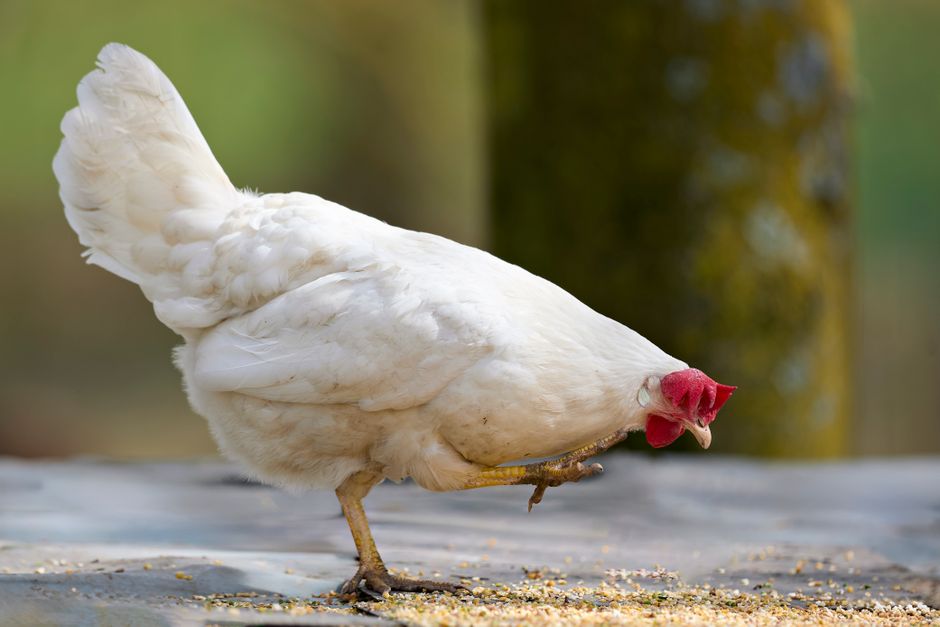
Heritage breeds are a different story. Australorps, Dominiques, Wyandottes, Buckeyes, Java chickens, even well-bred Barred Rocks tend to live longer, full stop. My Australorps have consistently reached six to eight years. I had a Dominique named Gladys who made it to eleven, though she spent her last two years as purely a pet. The tradeoff is that these breeds lay fewer eggs, and they start tapering off sooner per-year than the hybrids do.
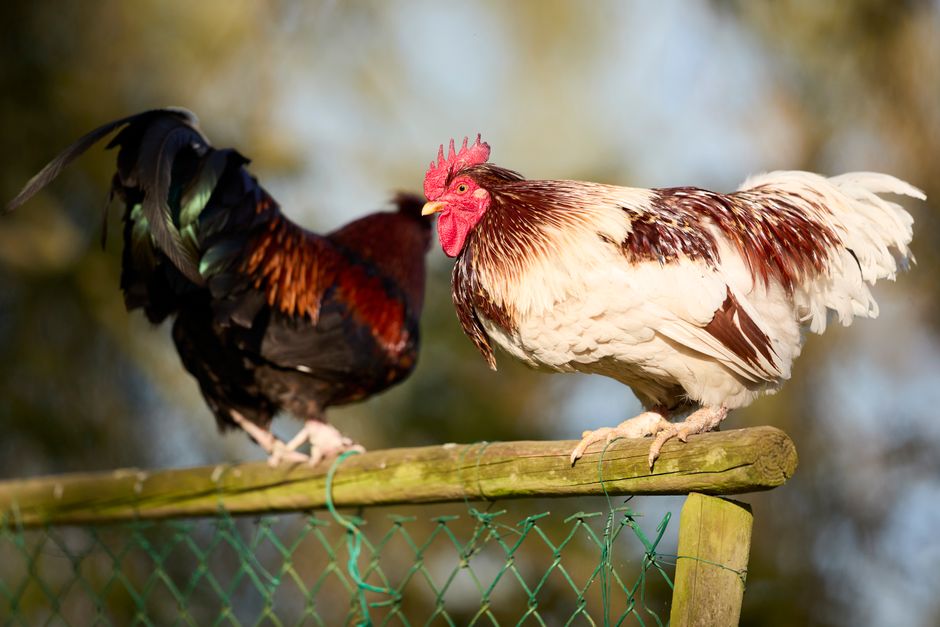
Roosters, interestingly, often outlive hens. This makes sense when you think about it: they’re not cycling reproductively the same way. A good heritage rooster can easily live eight to twelve years if he’s not getting into fights he can’t win.
Stress and environment matter more than most people realize. Overcrowding alone will shave years off a bird’s life. The generally accepted minimum is four square feet per bird inside the coop and ten square feet per bird in the run, but I’d push both of those higher if you can. Birds that spend their lives in cramped conditions have suppressed immune systems and chronic low-grade stress responses that compound over time. It’s not dramatic. It just slowly catches up with them.
Predator pressure is the more immediate risk, obviously. Statistically, most backyard chickens don’t die of old age. They die of a predator getting into the coop, or a hawk strike, or a neighbor’s dog. This is cold comfort but important context: if your flock management is good, your birds have a real shot at living out a full lifespan. If it isn’t, none of the rest of this matters much.
The Laying Window vs. The Living Window
Here’s the thing that confuses new keepers the most. The “productive” phase of a hen’s life and the actual lifespan are two very different windows, and planning for only the first one leads to a lot of hard decisions down the road.
A typical hybrid hen lays heavily for years one and two, drops off noticeably in year three, and may lay only occasionally or stop entirely by year four. A heritage hen might lay steadily for three to four years and then gradually taper over the next two or three. Either way, you can easily have a hen who stops laying at four or five and then lives another four to seven years as a non-laying flock member.
Whether that’s a problem or not is genuinely a personal decision, not a moral one. Some people keep chickens primarily as livestock and cull birds who aren’t producing. That’s a legitimate choice. Others (I’m firmly in this camp) keep hens as a mix of productive animals and long-term pets and factor the “retirement years” into their planning from the start. Neither approach is wrong, but you should know which one you’re signing up for before you buy chicks.
What I’d caution against is the middle path of vague intention: “I’ll figure it out when they stop laying.” That’s the path that leads to panic rehoming, or a coop crowded with non-laying hens you feel guilty about but also can’t afford to keep feeding. Make the call ahead of time.
A 50-lb bag of layer feed currently runs around $25 to $35 depending on brand and region (as of July 2026, Purina Layena is sitting around $28 at most Tractor Supply locations near me). Multiply that across however many retired hens you’re carrying, and it adds up fast. Budget for it or make a different plan, but don’t be surprised by it.
The Health Issues That Tend to End Chicken Lives
10 Chicken Coop Mistakes you DON'T want to Make ! · Carolina Coops® on YouTube
Respiratory disease kills a lot of birds, often faster than owners realize. Mycoplasma gallisepticum (MG) is endemic in many backyard flocks and becomes more of a problem as birds age and their immune function declines. I lost two older hens to what I initially thought was a cold that “just wouldn’t clear up” before I had a necropsy done and got an actual diagnosis. The lesson: if an older bird is showing chronic respiratory symptoms, don’t wait it out for weeks assuming it’ll resolve.
Reproductive cancers are the other major one for hens. Ovarian and oviduct adenocarcinoma is heartbreakingly common in older laying hens, and the signs can be subtle at first: a hen that’s “off,” a distended abdomen, decreased appetite, labored breathing. The definitive diagnosis requires a vet and often a necropsy after the fact, but if you have an older hen with an obviously swollen belly and she’s been laying less, take it seriously. It’s rarely something that gets better on its own.
A University of California Davis poultry extension resource I’ve referenced repeatedly notes that reproductive disorders are the leading cause of non-predation death in backyard hens. That lines up with what I’ve seen.
Marek’s disease deserves a mention because it’s misunderstood. Birds vaccinated at the hatchery (most commercially sourced chicks are) are protected from the severe paralytic form, but the vaccine doesn’t prevent infection or transmission. Marek’s can still flare up under stress in older birds as a more subtle immune-suppressive disease. I’ve seen this in a few of my older birds and didn’t recognize it for what it was until a vet pointed it out.
Worked Examples From My Flock
Small flock of four ISA Browns, started from chicks, fully confined run: Fed well, coop clean, no predator losses. All four laid heavily year one and two. By year three, two had developed internal laying issues. One died at 3.5 years from egg yolk peritonitis confirmed by a vet exam. The other was euthanized humanely at four after a prolonged decline. The remaining two lived to roughly five and five and a half before both declined rapidly within the same six-month window. Average lifespan: 4.7 years.
Two heritage Barred Rock hens from a small local breeder, free range on half an acre: Both laid steadily until year four, then tapered. One was taken by a hawk at year six (predator pressure, not natural aging). The other lived to nine and died peacefully. No major health interventions beyond a single round of antibiotics for a respiratory flare-up at year seven.
A mixed flock of six with one older Cochin hen inherited from a neighbor who moved: The Cochin arrived at an estimated age of four. She lived in my care for another five years, passing at roughly nine with no major health issues. Cochins are a large breed and I’d heard they had shorter lifespans than lighter breeds, but I don’t have good numbers on that beyond my own experience. I can’t speak to it confidently across a bigger sample.
The honest summary of what all this looks like in practice: if you buy production hybrids, plan on a productive window of two to three years and a total lifespan that probably won’t exceed five to six unless you’re very lucky. If you choose heritage breeds and manage your flock well, eight to ten years is genuinely achievable, and some birds will surprise you even beyond that.
Sources
- University of California Cooperative Extension, Poultry Fact Sheets: Covers reproductive disorders and common causes of death in backyard hens.
- Merck Veterinary Manual, Poultry section: Reference for Marek’s disease pathology, Mycoplasma, and reproductive cancers in laying hens.
- Gail Damerow, The Chicken Health Handbook (2nd ed., Storey Publishing): The most practically useful single reference I’ve found for backyard flock health; specific about disease presentations and lifespan-related conditions. Available on Amazon (affiliate link)
- American Livestock Breeds Conservancy breed profiles: Useful comparative data on heritage breed egg production and longevity traits.
- Harvey Ussery, The Small-Scale Poultry Flock (Chelsea Green Publishing): Covers long-term flock management, heritage breed selection, and practical lifespan considerations. Available on Amazon (affiliate link)
Photo: Steven Van Elk via Pexels