 Carol Thompson
Most budget guides for backyard chickens treat the startup cost like a one-time event and then wave vaguely at “ongoing feed expenses.” That’s not a budget. That’s a sales pitch with numbers attached. Let me give you the actual picture, including the costs that blindsided me in year one, the ones that creep up every year, and where you can genuinely cut corners versus where doing so will cost you more later.
What You’re Actually Spending to Start
Figure $500 to $1,500 to start a small laying flock of six to eight hens, depending on how you approach the coop.
The coop is where most first-timers overspend or catastrophically underspend. Buying a prefab coop from a farm store or Amazon is almost always a mistake. I’m going to commit to that opinion even though half the beginner forums will tell you otherwise. The $300 prefab coops are built from thin plywood and stapled hardware cloth. Predators go through stapled hardware cloth. I watched a raccoon peel it back in about four minutes. For a real small coop, you’re looking at either building one yourself for $200 to $400 in materials (2x4 framing, 1/2-inch welded wire hardware cloth, exterior-grade plywood), or buying a quality premade unit for $600 to $900 from a reputable supplier like Ware Manufacturing or a local lumber shop build. If you’re handy, build it. Plans from the Backyard Chickens forum are free and battle-tested.
Chicks from a hatchery like Meyer Hatchery or Murray McMurray run $4 to $8 each depending on breed and season, plus a $30 to $50 shipping minimum order fee. Pullets (already-started hens at 15 to 20 weeks) from a local breeder cost $15 to $35 each but skip the brooder phase entirely. That’s worth real consideration. The brooder setup (heat lamp or Brinsea EcoGlow brooder, pine shavings, starter feed, a cardboard box or plastic tub) costs another $60 to $100, and you’ll babysit chick temperatures for six weeks. Pullets are not the lazy choice. They’re the pragmatic one.
Feeders and waterers: budget $40 to $80 for decent equipment. I use a 7-pound hanging feeder and a galvanized waterer. Plastic gravity waterers crack in cold weather. Don’t bother.
The Monthly Numbers Nobody Foregrounds
Six laying hens eat roughly 1.5 to 2 pounds of feed per day combined. A 50-pound bag of quality layer pellets (Purina Layena, Kalmbach, or comparable) currently runs $22 to $30 depending on your region and whether feed prices have settled from the last few years of volatility. At two bags a month for a six-hen flock, you’re at $44 to $60 per month in feed alone. Add a bag of oyster shell every two to three months ($12 to $15), occasional treats or scratch, and you’re realistically looking at $55 to $75 per month in consumables.
Do the math on eggs: six productive hens lay roughly four to five eggs per day in peak season, which is 28 to 35 eggs per week, or about 120 to 150 eggs per month. At current grocery store prices for quality eggs (anywhere from $5 to $9 per dozen depending on your market), you’re producing $50 to $90 worth of eggs monthly. So yes, you can approximately break even on feed, but only if you’re counting eggs at retail replacement value and ignoring every other cost. Most honest chicken keepers will tell you: you’re not doing this to save money. You’re doing it for quality, control, and the experience. Anyone who tells you backyard eggs pencil out economically is either ignoring their time, ignoring infrastructure, or both.
Vet Costs and the Health Budget Most People Ignore
10 Chicken Coop Mistakes you DON'T want to Make ! · Carolina Coops® on YouTube
This is the one that gets people. Poultry vets are not common, and the ones who see chickens often charge exotic-animal rates: $60 to $120 for an exam before treatment even begins. Most backyard keepers handle basic health issues themselves, which means keeping a medicine cabinet stocked.
A reasonable starter health kit costs about $80 to $120 and includes: Corid (amprolium for coccidiosis, especially critical if you’re raising chicks), VetRx for respiratory symptoms, Vetericyn Plus wound spray, a tube of Rooster Booster Poultry Cell vitamins, and a basic digital scale for weighing birds. Wazine or fenbendazole for worm treatment if your birds free-range. That’s not optional equipment. That’s what stands between you and a dead flock when something goes wrong at 8 p.m. on a Sunday.
Budget $150 to $200 per year for health-related costs for a small flock, including supplies and the occasional consultation. One actual vet visit can double that. And it will happen eventually. Either decide upfront what you’re willing to spend on an individual bird’s treatment, or decide not to. Knowing your number ahead of time is more merciful than making that call in a crisis.
Where to Cut and Where Not To
Cut here: bedding. Pine shavings work fine and cost about $8 per large bag. The deep litter method, where you build up litter over a season and turn it rather than replacing it frequently, stretches that cost significantly. Also cut: fancy nesting box accessories, Pinterest-level coop aesthetics, and breed premiums for rare colors. A Black Sex-Link or ISA Brown laying hen is more productive, hardier, and significantly cheaper than a Svart Hona or Ayam Cemani. If you want eggs, buy egg producers.
Do not cut here: hardware cloth gauge. Use 1/2-inch welded wire, not chicken wire, on every opening. Chicken wire keeps chickens in. It does not keep predators out. The $40 you save on thinner material will cost you a flock. Don’t cut on a secure, covered run either. Aerial predators (hawks especially) are patient and opportunistic.
Nesting pads are a legitimately useful small expense. Precision Pet Excelsior Nesting Pads run about $20 for a pack of 10 and dramatically reduce egg breakage and cleaning time versus loose bedding. Small cost, real return. (Disclosure: this site may earn a commission on purchases.)
Annual Cost Summary for a Six-Hen Flock
| Cost Category | Low End | High End | Notes |
|---|---|---|---|
| Coop (DIY) | $200 | $400 | Materials only; labor is your own |
| Coop (Quality Prefab) | $600 | $900 | Reputable suppliers like Ware Manufacturing |
| Chicks (per bird) | $4 | $8 | Plus $30-$50 shipping minimum |
| Pullets (per bird) | $15 | $35 | Skip brooder phase; local breeders |
| Brooder Setup | $60 | $100 | Heat lamp, shavings, starter feed, container |
| Feeders & Waterers | $40 | $80 | Quality galvanized equipment |
| Startup Total (6-8 hens) | $500 | $1,500 | Varies by coop choice and chick vs. pullet |
| Monthly Feed (6 hens) | $44 | $60 | Two 50-lb bags layer pellets |
| Monthly Consumables (6 hens) | $55 | $75 | Feed, oyster shell, treats, scratch |
| Annual Health Budget | $150 | $200 | Supplies and occasional consultation |
| Starter Health Kit | $80 | $120 | Corid, VetRx, wound spray, vitamins, scale |
| Bedding per Bag | - | $8 | Pine shavings; deep litter method saves further |
| Nesting Pads (10-pack) | - | $20 | Reduces breakage and cleaning time |
Sources
Rough annual totals, after startup:
- Feed and oyster shell: $650 to $900
- Bedding: $80 to $120
- Health supplies and incidentals: $150 to $200
- Coop repairs, hardware, minor infrastructure: $50 to $150
- Miscellaneous (replacement feeders, waterers, heat source in winter): $40 to $100
Total: approximately $970 to $1,470 per year. For six hens producing (generously) 1,400 eggs annually, that works out to $8.30 to $12.60 per dozen. You’re paying more for your own eggs than for store eggs, almost certainly. What you’re getting for that premium is worth knowing: eggs from hens you’ve raised on a varied diet, with no mystery inputs, with yolks so orange they look fake next to a commercial egg. Whether that premium makes sense to you is a personal call, not a financial one.
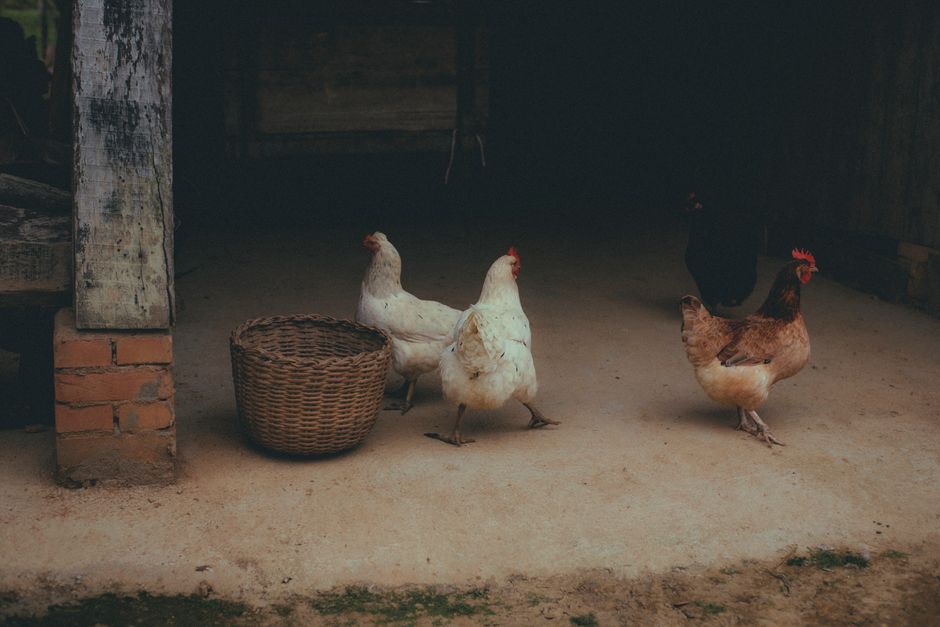
Photo: Lukas Kaufmann via Pexels