 Mike Carter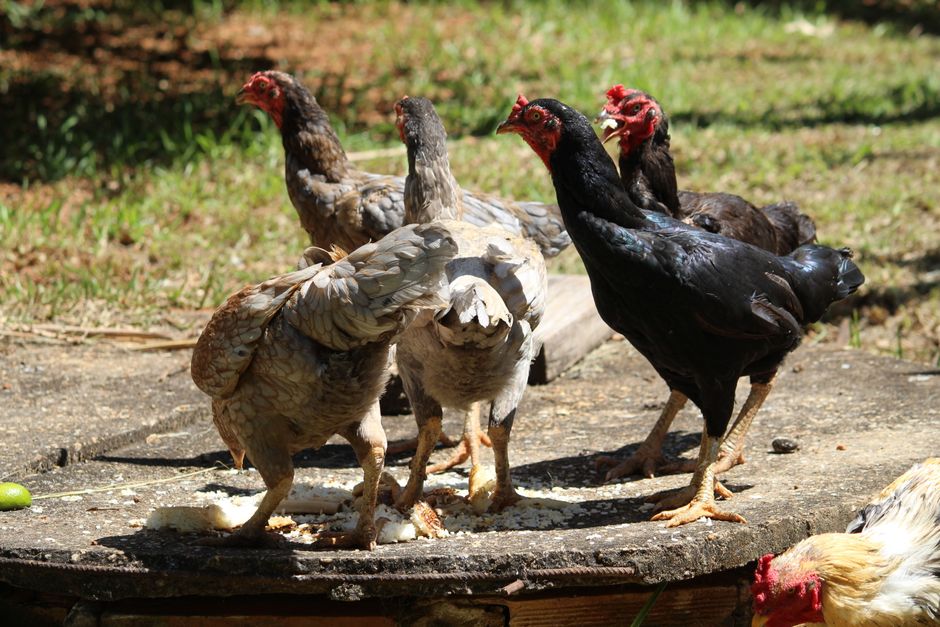
You go out to the coop on a Tuesday morning with your coffee, same as always, and one of your hens is just standing there. Not eating. Puffed up like a ball. Tail down. Every experienced chicken keeper knows that sick-bird posture, and if you’re seeing it for the first time, your stomach drops. The problem is what comes next: you search online, you find seventeen different possibilities ranging from “she’s a little cold” to “your whole flock is about to die,” and you close the laptop more confused than when you opened it. That’s what this article is for. Let’s cut through the noise and talk about what’s actually likely to be wrong, what you can do about it today, and when you genuinely need a vet.
When you spot a sick bird, these observable signs can help you narrow down the likely cause and decide on immediate next steps.
| Primary Symptom | Also Look For | Most Likely Causes | Urgency | First Actions |
|---|---|---|---|---|
| Rattling/gurgling breath | Bubbling eyes, facial swelling, foul smell | MG (Mycoplasma), Infectious Bronchitis, Aspergillosis | High, isolate immediately | Separate bird; improve coop ventilation; contact vet for antibiotic options |
| Bloody or watery droppings | Lethargy, hunched posture, reduced appetite (usually birds under 12 weeks) | Coccidiosis | High, can be fatal within days | Treat with amprolium (Corid) in water; clean bedding daily |
| Pale comb, weight loss | Dirty vent feathers, visible lice/mites, reduced egg production | External parasites (mites, lice), internal worms | Moderate | Inspect vent and under wings at night; dust with poultry-safe permethrin or treat with fenbendazole for worms |
| Straining, penguin-like stance | Swollen abdomen, no eggs recently, tail pumping | Egg binding, internal laying, peritonitis | High, potentially fatal within 24-48 hrs | Warm water soak (20 min); calcium supplement; vet if no egg within 4 hours |
| Soft-shelled or shell-less eggs | Otherwise acting normal | Calcium deficiency, new layer adjustment, stress | Low if occasional | Offer free-choice oyster shell; ensure 14-16 hrs light for laying hens |
| Scaly, crusty legs | Lifted scales, limping, reluctance to roost | Scaly leg mites | Low-Moderate | Coat legs with petroleum jelly or vegetable oil every 3 days for 2-3 weeks |
| Sudden death, no prior symptoms | Multiple birds affected, possible neurological signs | Marek's disease, heart failure, toxin exposure, Avian Influenza (rare) | Critical, investigate immediately | Do not handle without gloves; contact state vet lab for necropsy if multiple deaths |
General information for comparison, confirm specifics for your situation.
The Conditions You’re Most Likely to Actually Encounter
I’ve kept hens for ten years across three different properties, and the same problems show up over and over. Respiratory illness, digestive issues, external parasites, egg-laying complications, and coccidiosis. Those five cover probably 85% of what backyard keepers deal with. The dramatic stuff, Marek’s disease, Avian Influenza, gets plenty of attention online. You should know about those. But they’re not where most people spend their chicken-keeping energy.
Respiratory illness shows up constantly, especially in poorly ventilated coops or when you bring in new birds without quarantine. Mycoplasma gallisepticum, called MG or chronic respiratory disease, causes rattling breath, bubbling eyes, facial swelling, and a smell that’s genuinely unmistakable once you’ve encountered it. Here’s the brutal part: there’s no cure. You can treat symptoms with antibiotics like Tylan (tylosin) or oxytetracycline, but a bird with MG stays a carrier for life. I skipped quarantine exactly once. It cost me an otherwise clean flock. That was expensive tuition.
Infectious bronchitis is a different respiratory disease caused by a coronavirus, and it moves through a flock with terrifying speed. Within 48 hours, one sneezing bird becomes an entire coop of rattling, gasping hens. Unlike MG, birds can actually recover from IB. But some end up with permanently damaged reproductive tracts that cause misshapen eggs or internal laying afterward.
Digestive and Gut Problems: From Pasty Butt to Impacted Crop
The digestive system is where a lot of daily chicken health happens, and it’s often the first place problems show up visually.
Pasty butt hits chicks under two weeks old. Dried droppings paste over the vent and block it. Left alone, it kills. Check your brooder chicks daily, especially in the first week. A warm damp cloth, gentle fingers, and two minutes of careful cleaning is all it takes. If one chick keeps getting it, that chick probably has an underlying problem.
Sour crop and impacted crop are different but constantly confused. The crop is the pouch at the base of a chicken’s neck where food sits before moving to the stomach. You should feel it full and firm in the evening, empty and flat in the morning. Impacted crop means something’s blocking it: long grass, fibrous plant material, or occasionally something weird. The crop feels hard and won’t empty overnight. Sour crop is a yeast infection that develops when food ferments in a slow-emptying crop. It smells like sourdough or vinegar. The crop feels squishy and fluid-filled.
Impacted crop sometimes resolves with crop massage and water-only (no food) for 24 hours. Severe cases need a vet. Sour crop treatment involves antifungal support, often plain unsweetened yogurt or diluted apple cider vinegar in water, though some keepers use veterinary-prescribed fluconazole for serious infections.
Coccidiosis deserves its own attention because it kills chicks and young pullets fast. It’s caused by a protozoan parasite called Eimeria that lives in soil. Adult birds usually have immunity. Birds under 16 weeks are extremely vulnerable. Bloody diarrhea, lethargy, and failure to thrive in young birds should immediately trigger a coccidia suspicion. Treatment is Corid (amprolium) in the water, and it works if you catch it fast. Medicated starter feed provides some protection but isn’t foolproof.
External Parasites: Mites and Lice Are Probably Already in Your Coop
20 Signs That Your Chicken Is Sick. You Need To Know Them ALL! · Country Living Experience: A Homesteading Journey on YouTube
Here’s something most people don’t realize until their hens look ragged and egg production tanks: mites and lice are nearly universal in backyard flocks. They can sit at low levels for months before you notice. Northern fowl mites live directly on the bird. Red roost mites (Dermanyssus gallinae) live in the coop and come out at night to feed. The difference matters because your treatment approach differs.
To check for mites, go to your coop after dark with a flashlight. Look at roost poles and cracks in any wood around the roosting area. Red roost mites are tiny, grayish-red specks. Crush one and you get a red smear, that’s your bird’s blood. A heavy infestation can cause anemia, pale combs, and death in severe cases.
For northern fowl mites, part the feathers around the vent. Moving specks or yellowish egg clusters at the base of feathers mean you have them.
Treatment options: permethrin-based dusting powder applied to birds and the coop (walls, roosts, nesting boxes), or spinosad-based products like Elector PSP, which cost more but work extremely well with less toxicity concern. If you’re dealing with red mites, treat the environment too. Treating only the birds wastes your time and money.
Good nesting box pads made from herbs or cedar-infused materials won’t solve an infestation. They can help deter pests as part of a broader strategy.
Egg-Laying Problems: When Something Goes Wrong in the Reproductive Tract
This category blindsides people the most because it often hits your best layers.
Egg binding is when a hen can’t pass an egg. She strains, appears uncomfortable, walks like a penguin, and sits miserably in a corner. A warm bath (10 to 15 minutes in comfortably warm water) can relax the muscles enough to help the egg pass. You can also carefully apply a small amount of olive oil around the vent. No results within an hour or two? This is a veterinary emergency. A stuck egg can rupture internally and cause peritonitis, which is almost always fatal.
Egg yolk peritonitis happens when yolk material ends up in the abdominal cavity, usually from a failed ovulation. The abdomen fills with fluid, the bird develops a characteristic “penguin stance,” she loses weight and condition while her belly swells. It’s serious and often requires a vet for diagnosis and treatment, which may include antibiotics, hormone implants to stop ovulation, or in some cases surgery.
Internal laying and reproductive cancer are unfortunately common in high-production breeds like ISA Browns, Golden Comets, and other hybrids. These birds were bred to lay 300+ eggs per year. That pace takes a physical toll. I’ve watched more hybrid hens die from reproductive issues before age three than from any other cause. Want birds that live longer? Consider dual-purpose breeds like Australorps, Dominiques, or Buff Orpingtons. They lay less. But they last.
A Practical Step-by-Step Sick Bird Assessment
Sources
When you find a bird that’s “off,” don’t panic. Work through this systematically before you reach for a treatment or call a vet.
Step 1: Isolate her. Separate the sick bird from the flock immediately. This protects other birds and lets you observe her without competition stress.
Step 2: Assess her basics. Is she eating? Drinking? What do her droppings look like? Normal droppings are firm brown with a white urate cap. Watery, bloody, green, or yellow droppings all tell different stories.
Step 3: Check her body. Feel the crop: full or empty? Hard or squishy? Feel her keel bone, is she underweight? Check her vent area for mites, lice, or abnormal discharge. Look at her eyes and nares for swelling or discharge. Listen for rattling breath.
Step 4: Check her abdomen. Gently feel for a hard lump (possible egg binding), fluid-filled swelling (possible peritonitis), or nothing unusual.
Step 5: Take her temperature if possible. A chicken’s normal temperature is 104 to 107 degrees Fahrenheit. A significantly low temperature in a sick bird is serious.
Step 6: Cross-reference her symptoms. Use a reliable resource like The Chicken Health Handbook by Gail Damerow. It’s genuinely the most practical poultry health reference available. Not a vet substitute, but it’ll help you ask the right questions.
Step 7: Decide on action. Some things, mild respiratory symptoms, early coccidiosis, mites, you can handle at home confidently. Others, egg binding that won’t resolve, suspected Marek’s, severe neurological symptoms, need a poultry vet. Not every vet sees chickens. Find an avian vet or farm vet with poultry experience before you’re in crisis mode.
The birds that thrive in backyard flocks usually have one thing in common: an observant keeper. You don’t need a veterinary degree. You just need to look at your chickens every day with real attention, know what’s normal for them, and move fast when something changes. Most of these conditions are manageable if you catch them early. It’s the waiting and hoping that costs birds their lives.
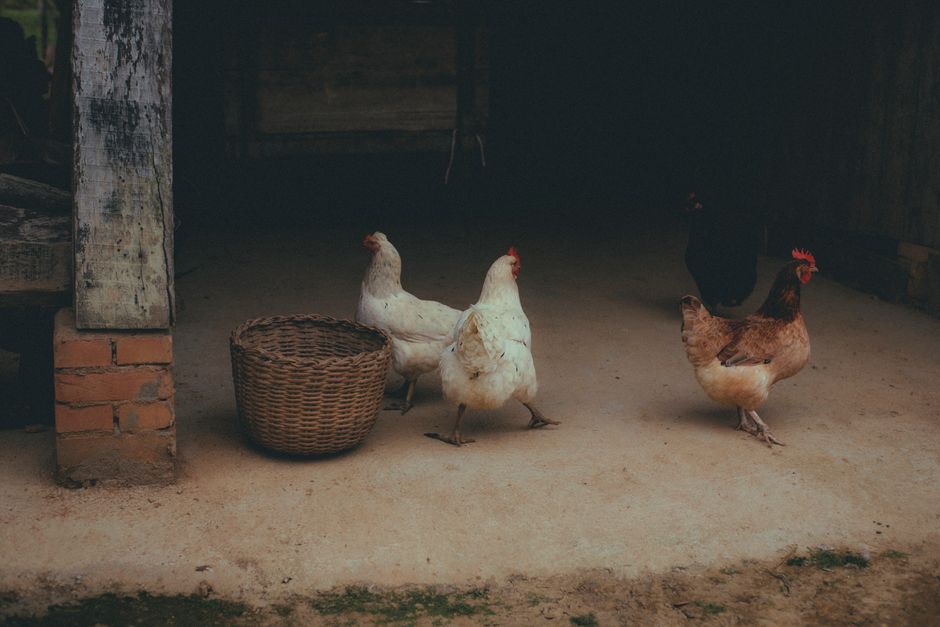
Photo: Weder Soares Dos Santos via Pexels