 Sarah Mills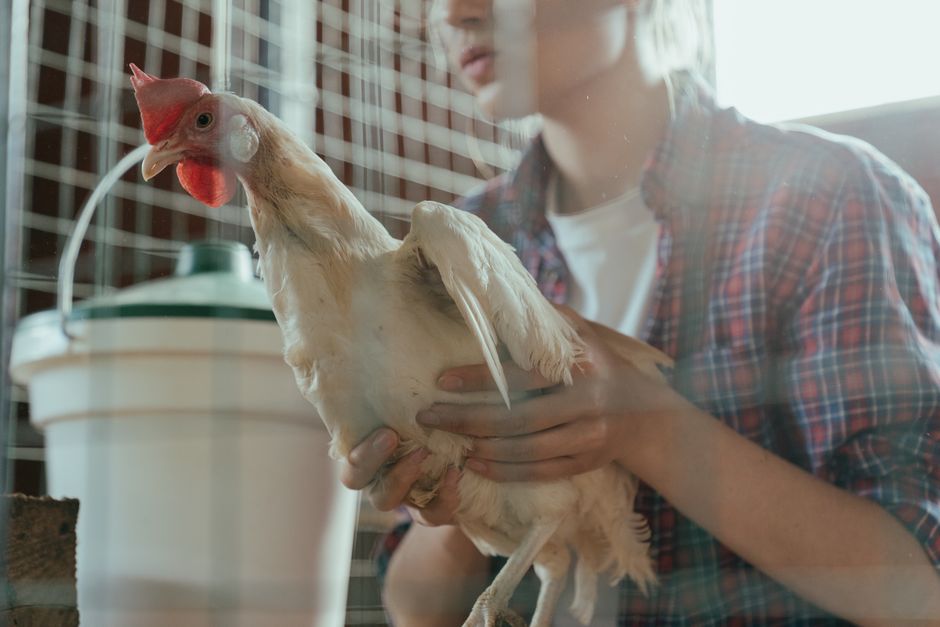
Most new chicken keepers walk into a feed store for the first time, stare at a wall of bags labeled “starter,” “grower,” “layer,” “flock raiser,” and “finisher,” and leave with whatever has the prettiest rooster on the label. It happens more than you’d think. The wrong feed won’t always cause an obvious crisis right away, but over months it’ll show up as poor egg production, weak shells, slow growth, rough feathering, and birds that just look tired. Understanding what’s actually in those bags is one of the most practical moves you can make for your flock.
The Basics: What Chicken Feed Is Actually Made Of
Chicken feed isn’t just grain. Commercial poultry feed is a formulated blend built to hit specific nutritional targets based on the bird’s age and purpose. The core usually comes down to corn, soybean meal, wheat middlings, and a vitamin/mineral premix. Some feeds throw in limestone for calcium, fish meal or dried insects for extra protein, and synthetic methionine, an amino acid chickens can’t make in sufficient quantities on their own.
The key numbers on any feed label: protein percentage, calcium percentage, and phosphorus percentage. Layer feed typically runs 16% protein and around 3.5-4% calcium. Chick starter runs 18-22% protein and minimal calcium, usually under 1%. Those gaps aren’t arbitrary. Excess calcium in young birds can wreck their kidneys before the organs are developed enough to handle it. Laying hens that don’t get enough protein end up with shabby feathers and drops in egg output. The numbers actually matter.
Feed also comes in different physical forms. Crumbles are pellets broken into smaller pieces, sized for younger birds. Pellets are compressed cylinders, usually about half an inch long, and waste less than other forms. Mash is finely ground and uncompressed, the oldest option, and chickens pick through it, flinging the parts they don’t want. Most experienced keepers go pellets for adult birds.
Breaking Down the Feed Types by Life Stage
| Feed Type | Life Stage | Protein % | Calcium % | Purpose |
|---|---|---|---|---|
| Chick Starter | 0-8 weeks | 18-22% | <1% | High protein, minimal calcium for young chicks |
| Grower/Developer | 8-18 weeks | 16-18% | Low | Transition phase between starter and layer |
| Layer Feed | 18+ weeks or when laying | 16% | 3.5-4% | Ongoing egg production in laying hens |
| Flock Raiser/All-Flock | Mixed ages & types | 20% | ~1% | Single feed for roosters, hens, meat birds, waterfowl |
| Broiler Finisher | 0-10 weeks (meat birds) | 22-24% | High | Maximum weight gain for fast-growing breeds |
This is where most people get lost.
Chick Starter (0-8 weeks): High protein, usually 18-22%, with zero added calcium. Medicated versions contain amprolium to prevent coccidiosis, a protozoan infection that kills young chicks. Non-medicated starter works fine if your chicks were vaccinated at the hatchery. Using medicated feed on vaccinated chicks won’t hurt them, but it partially undermines the vaccine. If you ordered from a hatchery that vaccinates by default, ask before you buy medicated feed.
Grower or Developer Feed (8-18 weeks): Protein dips to around 16-18%, calcium stays low. This is the awkward teenager phase. Some keepers skip it and just extend starter, which works. Others use flock raiser style feed through this phase and beyond.
Layer Feed (18 weeks and up, or when laying begins): This is what most backyard keepers know best. Protein sits around 16%, calcium jumps to 3.5-4%, and it’s built for ongoing egg production. Don’t start layer feed too early. Pullets fed layer feed before they lay are getting calcium their kidneys can’t process yet.
Flock Raiser or All-Flock Feed: 20% protein with moderate calcium, usually around 1%. It’s designed to feed mixed flocks: roosters, hens of various ages, meat birds, ducks, turkeys all in one go. Use flock raiser with laying hens, and you’ll need to offer oyster shell separately in a free-choice container so they self-regulate calcium. I find this system more flexible and less stressful than juggling multiple feed types.
Meat Bird Feed / Broiler Finisher: High protein, high calories, for Cornish Cross or similar fast-growing breeds. Protein often hits 22-24% in starter and stays high throughout. The goal is maximum weight gain in 8-10 weeks, so the nutritional profile looks nothing like laying bird feed. Don’t use this on backyard layers unless you want some genuinely round chickens.
Organic, Non-GMO, and Specialty Feed Options
Organic and non-GMO chicken feed has exploded in the last decade. Organic feeds use ingredients grown without synthetic pesticides or fertilizers and contain no GMOs. Non-GMO feeds skip genetically modified ingredients but may not meet the full USDA organic standard. Expect to pay 30-60% more than conventional.
Whether that premium makes sense depends on what you’re after. Organic feed doesn’t automatically produce more nutritious eggs, though some evidence suggests pasture-raised birds with varied diets produce eggs with better omega-3 profiles and higher vitamin D. If your flock free-ranges on solid pasture, that probably matters more than whether their base feed is certified organic.
A few specialty feeds deserve attention. Fermented feed is a practice, not a product: you soak feed in water for 2-3 days to grow beneficial bacteria. It improves gut health, cuts feed waste by about 20%, and can boost egg production. It’s cheap and actually works. High-protein molt support feeds run 18-20% protein and help hens recover faster during their annual molt. You can make your own with standard layer feed plus extra protein sources mixed in.
Supplements, Treats, and What Not to Feed
Oyster shell and grit confuse people constantly. Oyster shell is calcium. Laying hens need it for shell formation, and it should sit in a separate container available free-choice. Don’t mix it into the feed. Let hens regulate their own intake because needs vary. Grit is small stone that sits in the gizzard and grinds up food. Free-ranging chickens pick up grit naturally. Confined birds need it offered separately, especially if they eat whole grains, scratch, or anything besides processed pellets.
Scratch grains are worth flagging. It’s mostly cracked corn and grains, basically chicken candy. Low protein, low nutrients, high carbs. Treats, scratch included, should stay under 10% of a chicken’s daily diet. Overfeeding scratch is one of the fastest ways to tank your flock’s nutrition and watch egg production crater.
Avoid completely: raw beans (contain hemagglutinin, which is toxic), avocado (persin is toxic to birds), very salty foods, moldy feed, and green potato skins (solanine). Citrus and onions show up on a lot of “no” lists, but the evidence is sketchy. I’d skip them to be safe.
Feed Storage and Quality Control
Chicken feed goes stale, moldy, and attracts pests faster than most people expect. A 50-pound bag should be used within 6-8 weeks of the milling date stamped on it. After that, vitamins start degrading. Heat and humidity make it worse. In a hot, humid summer barn, a bag can develop mold in two weeks with poor storage.
Use airtight metal or heavy-duty plastic containers. Galvanized trash cans work great and resist rodents. Plastic bins can work but rodents chew through them. Store feed off the ground and away from walls. Open every bag: it should smell faintly sweet and grain-like. Off smells, clumping, or visible mold means throw it out. Moldy grain causes aspergillosis, a serious respiratory fungal infection with a high mortality rate.
Buy what you can realistically use in 4-6 weeks. Bulk buying saves money only if you can keep quality steady.
Feed Amounts: How Much Do Chickens Actually Eat?
A standard laying hen eats roughly a quarter pound of feed per day, about 1.5 cups of pellets. Six hens go through around 10-11 pounds per week. That’s a useful baseline, but it swings based on season, breed size, and how much they free-range.
Winter birds eat more to stay warm, sometimes 20-30% more than summer. Heat cuts appetite, so feed consumption drops when temps rise. Larger breeds like Buff Orpingtons or Plymouth Rocks eat more than bantams or light Mediterranean breeds. Birds that free-range well supplement enough to noticeably reduce feed consumption.
Most backyard keepers use free-choice feeders, keeping them filled. This works for layers. Meat birds and broilers need different management since free-choice feeding of high-protein broiler feed can cause growth problems in some strains. A good poultry feeder that cuts waste and keeps feed dry is probably the most practical investment you’ll make. Wet feed spoils fast and bleeds money.
Comparison Table: Feed Types at a Glance
Sources
| Feed Type | Age/Use | Protein % | Calcium % | Notes |
|---|---|---|---|---|
| Chick Starter (Medicated) | 0-8 weeks | 18-22% | < 1% | Contains amprolium; skip if vaccinated |
| Chick Starter (Non-medicated) | 0-8 weeks | 18-22% | < 1% | Use with vaccinated chicks |
| Grower/Developer | 8-18 weeks | 16-18% | < 1% | Bridge between starter and layer |
| Layer Feed | 18 weeks+ | 15-18% | 3.5-4% | Standard for laying hens |
| Flock Raiser/All-Flock | All ages | 18-20% | ~1% | Add oyster shell free-choice for layers |
| Broiler/Meat Bird | 0-8+ weeks | 22-24% | 1-2% | High calorie, fast growth |
| Fermented Feed | Any age | Varies | Varies | DIY; improves gut health, reduces waste |
Get the life-stage match right. Keep your feed fresh. Don’t overdo the scratch. You’re already ahead of most people. Pair solid feed management with good coop ventilation and a smart setup from the start, and your birds will show it. Better feathers, more energy, better egg production. Feed is probably the most controllable variable you have.
Photo: cottonbro studio via Pexels