 Janet Wilson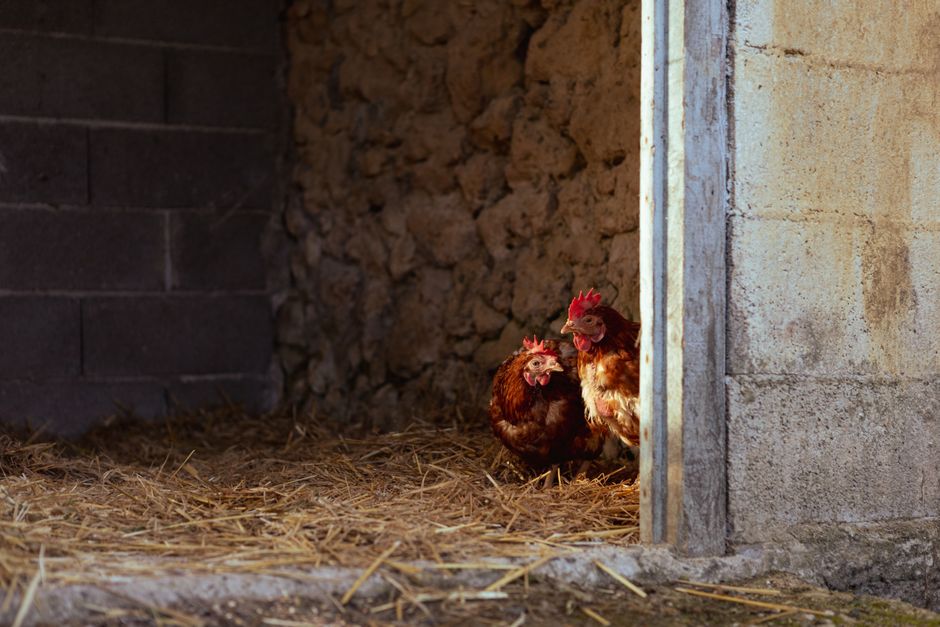
My neighbor knocked on my fence one Saturday morning and asked, very politely, if something had died in my yard. Nothing had died. That was just my coop after a wet week in May, six hens, and a bedding change I’d put off for too long.
If you’ve ever had that moment, you already know: chicken smell is not a mystery. You know exactly what’s causing it. The harder question is how to actually stay ahead of it without spending every weekend shoveling or buying products that don’t work.
Here’s what ten years of trial, error, and genuinely embarrassing neighbor conversations has taught me.
The Real Source of the Smell (And Why Ventilation Gets Misunderstood)
Ammonia is the main villain here, and it comes specifically from the breakdown of uric acid in chicken droppings. Not the droppings themselves, technically, but the bacterial process that follows. This matters because it means a coop can look clean and still reek if moisture and bacteria are present. I’ve seen coops with fresh shavings that smelled terrible because they were damp, and older coops with messy litter that barely registered because they were dry and well-ventilated.
Ventilation does not mean “open the window.” Most people don’t realize that chickens produce an enormous amount of moisture through respiration and droppings overnight. A small closed coop with six hens generates enough humidity by morning to keep that litter damp all day, and damp litter is where the smell lives. You need cross-ventilation, ideally at the roofline where hot humid air escapes, not just a pop door at ground level. This is the single change that’s made the biggest difference in my own coops over the years.
If your coop smells bad in winter because you’ve blocked the vents to “keep them warm,” that’s the problem. Chickens handle cold far better than people expect. They cannot handle ammonia buildup, and neither can your lungs.
The Deep Litter Method: The Best Approach Nobody Actually Explains Properly
| Product | Type | Cost | Use Case |
|---|---|---|---|
| Small Pet Select Large Flake Pine Shavings | Bedding | ~$12/bag | Weekly top-up for deep litter |
| Sweet PDZ Coop Refresher | Ammonia absorber | ~$20/40 lb bag | Daily poop board lining |
| Coop Recuperate by Rooster Booster | Probiotic/enzyme powder | ~$15/container | Summer smell spike management |
I’ve used deep litter for six years and I’m not going back. But I’ve also watched people try it and fail completely, because they skipped the part that makes it actually work.
The idea is that you build up a thick layer of carbon material, typically wood shavings, straw, or a mix, and let the natural microbial activity in the litter break down the droppings over months. When it’s working, you get composting heat, reduced ammonia, and a finished product that goes straight to the garden. When it’s not working, you get a wet, compacted, stinking mat.
The difference comes down to two things: carbon-to-nitrogen ratio and turning.
Chicken manure is extremely nitrogen-heavy. To keep ammonia from building up, you need to keep adding carbon material, meaning fresh dry bedding, on top. I add a thin layer of pine shavings (I buy Tractor Supply’s Small Pet Select Large Flake Pine Shavings, roughly $12 per bag) every week or two, more often in wet weather. I also rake or turn the litter every few days with a small garden fork, which aerates it and breaks up compaction.
A floor depth of 6 to 12 inches is the target. Less than that and you don’t have enough microbial mass for it to work. More than that and you’ll spend your spring cleaning out an absolute mountain.
Do a complete clean-out once or twice a year, usually spring and fall. Not weekly. If you’re shoveling your coop every week, you’re working too hard and you’re also removing the beneficial microbes that make the system function.
One product I’ve actually found useful: Coop Recuperate by Rooster Booster, which is a probiotic and enzyme powder you sprinkle into the litter. It does accelerate the microbial breakdown and I noticed a real difference in smell during the first hot week of summer after I started using it. It runs about $15 for a decent-sized container. Worth trying if you’re already doing deep litter and want to manage summer smell spikes.
The Poop Board: The Most Underrated Coop Feature
Chickens spend roughly eight hours a day on the roost. All their overnight droppings land in the same spot, and that spot generates more ammonia per square foot than anywhere else in the coop.
A poop board is a removable tray or shelf positioned directly under the roost. I use white vinyl flooring cut to size and set into a simple wooden tray. Every morning, I scrape the droppings off with a paint scraper into a bucket. Two minutes. Goes right to the compost bin.
This one change eliminated about 70% of the ammonia smell in my coop. Not an exaggeration. The rest of the litter barely needs attention because the biggest source of nitrogen is removed before it ever touches it.
You can also line your poop board with Sweet PDZ Coop Refresher, a zeolite-based mineral that absorbs ammonia and moisture. I sprinkle a layer on the vinyl before the birds go up at night. It’s available at most feed stores and on Amazon for around $20 for a 40-pound bag (affiliate link). The big bag lasts a long time even with daily use.
What Doesn’t Actually Work
Odor sprays and enzyme cleaners marketed for coops are mostly a waste of money if you haven’t addressed moisture and carbon balance first. They’re treating a symptom. Same with baking soda, which is mildly useful as an occasional add-in but won’t do anything meaningful if your litter is wet and your ventilation is bad.
Straw is not my preferred bedding. It mats, it holds moisture, and it composts too fast for deep litter setups. Pine shavings stay loose and dry far longer. Hemp bedding is genuinely good but it runs $25 to $40 a bag depending on the brand, which adds up fast across a full season.
Also: overcrowding is a smell problem. If you have eight birds in a 4x6 coop, no management system will keep up. The standard advice of 4 square feet per bird inside is a floor, not a goal.
Summer Is a Different Animal
Sources
High heat accelerates bacterial breakdown and ammonia production. What smells fine in February can get genuinely unpleasant by July. In summer I add bedding more frequently, turn it more often, and clean the poop board twice a day on the hottest weeks.
I also move to a partial deep litter in summer, meaning I keep the layer thinner (around 4 to 6 inches) and spot-clean more often rather than letting it build. The composting heat that’s an asset in winter becomes a liability when ambient temperatures are already in the 90s.
Shade and airflow around the outside of the coop matter here too. A coop baking in direct sun gets hotter inside, which makes everything worse faster.
Photo: Andreas Ebner via Pexels