 Mike Carter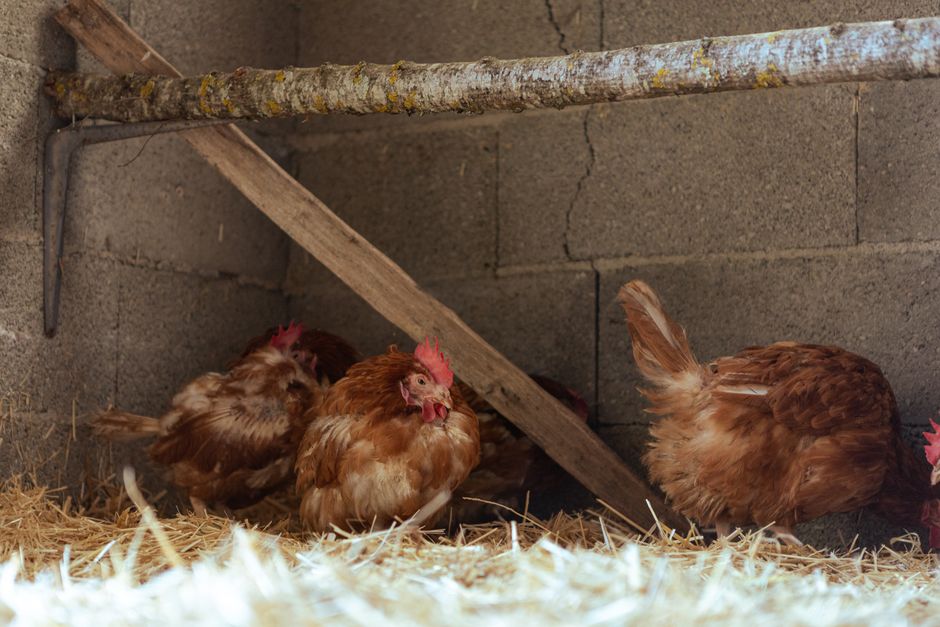
I once watched a fellow chicken keeper spend three weekends in a row completely stripping out her coop, scrubbing the floor, and reloading fresh pine shavings, only to have the smell return within days. The bedding wasn’t failing her. Her management system was. After a quick chat and a switch to the deep litter method, she went from weekly strip-outs to a full cleanout twice a year. That kind of shift is possible for most backyard keepers, but you have to understand your options first.
The Big Picture: What Good Bedding Actually Does
Bedding isn’t just about making the coop look clean. It’s doing several jobs at once.
Good bedding absorbs moisture. Wet droppings are the number one driver of ammonia buildup, respiratory illness, and bumblefoot in chickens. The floor of your coop needs something that pulls that moisture away and holds it without turning into a soggy mat. Good bedding also provides insulation, gives birds something to scratch and dustbathe in, and when managed right, it starts composting in place, which actually neutralizes odor rather than just covering it up.
The other piece worth understanding is carbon-to-nitrogen ratio. Chicken manure is high in nitrogen. Most bedding materials are high in carbon. When you layer them together and keep the moisture level right, the carbon and nitrogen balance out into active, low-odor decomposition. That’s the science behind the deep litter method, and it’s the reason some bedding choices work dramatically better than others in a managed system.
Pine Shavings: The Reliable Workhorse
If you polled 100 backyard chicken keepers on what’s in their coop right now, at least 70 of them would say pine shavings. There’s a reason for that. Large-flake pine shavings are absorbent, easy to find at any farm store, relatively inexpensive, and they smell pleasant right out of the bag.
A standard compressed bale runs around $6 to $10 and covers a 4x8 foot coop floor about 4 inches deep. That’s a reasonable starting depth. I like to start with 4 inches and add a thin layer every week or two rather than waiting until the whole floor is soaked.
Don’t use cedar shavings for the main floor. Cedar contains aromatic oils that can irritate a chicken’s respiratory tract, especially in an enclosed coop. A little cedar in the nesting boxes as a mite deterrent? Fine. As primary bedding? Not worth the risk. Same goes for fine-ground sawdust, which packs down, holds moisture too close to the surface, and can cause respiratory issues.
Pine shavings work well for both standard cleanout systems and deep litter. For deep litter, you’ll want to supplement with other high-carbon materials like straw or dry leaves as you build up layers over months.
Straw: Misunderstood and Often Misused
How to Heal a Dying Chicken in 5 Minutes · BecomeInspired on YouTube
Straw gets a bad reputation, and honestly, a lot of it’s deserved when it’s used wrong. Thick, whole-stem straw laid flat on a coop floor turns into a wet, moldy mat surprisingly fast. But that’s a management problem, not a straw problem.
The trick is keeping it broken up. When you toss in a flake and let chickens scratch through it, they break the hollow stems, which releases more surface area for absorption and keeps it from matting. Straw is also hollow, which makes it a decent insulator for cold climates during winter. In a Northern Wisconsin coop when temperatures drop below zero, a thick layer of straw on the floor adds genuine warmth.
The main risk with straw is mold, specifically Aspergillus, which causes aspergillosis, a serious fungal respiratory disease in poultry. Wet straw in a warm, poorly ventilated coop is the perfect incubation environment for it. Keep ventilation high, never let straw stay wet, and if you see any grayish-green mold, pull the whole section out immediately.
For nesting boxes, I actually prefer straw over shavings. The chickens shape it into a bowl more naturally, and eggs seem to roll and settle into it in a way that reduces breakage.
Sand: The Polarizing Option That Works If You Commit
| Bedding Material | Cost per Bale | Coverage | Absorption | Insulation | Composting | Best Use |
|---|---|---|---|---|---|---|
| Pine Shavings | $6-$10 | 4x8 ft @ 4" deep | Excellent | Good | Yes | Standard & deep litter |
| Straw | Varies | Varies | Good (if broken up) | Excellent | Yes | Nesting boxes, winter |
| Construction Sand | High (600-800 lbs) | 6x8 ft @ 3-4" deep | Excellent | Poor | No | Active scooping systems |
| Cedar Shavings | Varies | Varies | Good | Good | Yes | Nesting boxes only (mite deterrent) |
Construction sand, specifically coarse builder’s sand, has a real cult following among chicken keepers, and I get why. It drains beautifully, dries fast, and makes cleaning oddly satisfying because you can scoop droppings out like a giant litter box using a kitty litter scoop or a fine-tined rake.
The downsides are real though. Sand is heavy. Filling a 6x8 coop floor 3 to 4 inches deep takes somewhere around 600 to 800 pounds of sand. You’re not doing that by yourself with a wheelbarrow unless you’re very motivated. Sand also gets extremely cold in winter and doesn’t provide much insulation. In climates with hard freezes, bare sand can contribute to frostbite risk in roosting birds that drop down onto a frozen floor in the morning.
Never use play sand or beach sand. They’re too fine, hold moisture near the surface, and can cause impacted crops if ingested. Coarse builder’s sand or all-purpose construction sand is what you want.
Sand also doesn’t compost, which means it doesn’t work for deep litter. If you go the sand route, you’re committing to regular active scooping rather than a managed buildup system.
The Deep Litter Method: A System, Not Just a Bedding Choice
The deep litter method deserves its own section because it changes how you think about coop management entirely. It’s not a specific material. It’s a process.
Here’s how to actually do it:
Step 1: Start with 4 to 6 inches of high-carbon bedding on a clean dry floor. Pine shavings work great. Dry leaves, wood chips, or a mix of shavings and straw also work well.
Step 2: Let the chickens work in it. Their scratching incorporates manure into the bedding and keeps oxygen moving through the pile. That oxygen is critical. The decomposition you want is aerobic, not anaerobic (the anaerobic version is what smells like a sewer).
Step 3: Add a thin layer of fresh high-carbon material every week or two. A couple inches of dry leaves, a thin scattering of shavings, or even dried grass clippings. You’re feeding the pile.
Step 4: Check moisture regularly. Grab a handful and squeeze. If liquid comes out, it’s too wet. If it crumbles to dust instantly, it’s too dry. You want it to hold together loosely like a wrung-out sponge. Add dry material if it’s too wet. A light misting works if it’s too dry, though this is rarely a problem.
Step 5: Do a full cleanout once or twice a year, usually spring and fall. The finished compost you pull out is extraordinary garden material, extremely nitrogen-rich and already partially broken down.
This method works best when you have at least 8 to 12 inches of depth built up, good ventilation (critical!), and enough birds to keep the scratching active. A 10x10 coop with 6 to 8 hens is a good candidate. A tiny 4x4 coop with 2 birds may not have enough mass or activity to run a healthy deep litter pile.
Nesting Box Bedding: A Separate Decision
Your coop floor and your nesting boxes don’t need the same bedding, and treating them as separate decisions improves both.
Nesting box bedding needs to keep eggs clean, cushion them from cracking, and stay dry and inviting enough that hens actually use the boxes and don’t decide your coop floor looks better. It also needs to be easy to swap out, since nesting boxes get soiled faster than the floor.
Straw and pine shavings both work well in nesting boxes. I personally like nesting box pads for keepers who want a low-fuss option. Products like Nesting Box Pads on Amazon are made from excelsior (fine aspen wood fibers) or similar materials, fit most standard boxes, and can be shaken out and replaced monthly. They don’t require you to stuff and re-fluff a box full of straw every week. (This site may earn a commission on purchases.)
Dried herbs like lavender, mint, or rosemary scattered in nesting boxes aren’t just chicken-keeper folklore. They have mild insect-repelling properties and keep the boxes smelling clean. I toss a handful in every couple of weeks.
Comparison Table: Bedding Options at a Glance
| Bedding | Absorbency | Cost | Works for Deep Litter | Cold Weather Performance | Ease of Use |
|---|---|---|---|---|---|
| Pine Shavings | High | Low-Medium | Yes | Good | Easy |
| Straw | Medium | Low | Yes (with management) | Excellent | Moderate |
| Construction Sand | High (drains) | Medium | No | Poor | Moderate |
| Hemp Bedding | Very High | High | Yes | Good | Easy |
| Shredded Paper | Low | Free | Not recommended | Poor | Easy short-term |
| Dry Leaves | Medium | Free | Yes | Good | Easy |
Hemp bedding deserves a mention here even though it’s pricier. It absorbs up to four times its weight in moisture, controls odor extremely well, and composts fast. If you have a small flock and buy in bulk, the math works out close to pine shavings over time. Brands like Small Pet Select Hemp Bedding are worth a look. (This site may earn a commission on purchases.)
Twelve years in, the thing I’ve come to believe is that no single bedding choice is the magic answer. What matters more is that you observe your flock, adjust when something isn’t working, and don’t let perfect be the enemy of good. A coop managed with cheap pine shavings and real attention beats one loaded with premium hemp bedding and zero oversight every single time. Start simple, watch what’s happening on that floor, and tweak as you go. Your birds will tell you what they need.
Photo: Andreas Ebner via Pexels
FAQ
Sources
Which bedding is best for chickens? It depends on your setup, climate, and management style. Pine shavings offer the best balance of cost, absorbency, and ease for most backyard keepers. The deep litter method with pine shavings and occasional supplements works well in moderate climates. Straw excels in cold regions. Sand is great if you’re willing to scoop actively and don’t need winter insulation. There’s no universally “best” option, only the best option for your specific situation.
Can I use regular wood chips for chicken bedding? You can use wood chips, and they work well as part of a deep litter system when mixed with other materials. Use untreated chips only. Avoid walnut, cherry, or black locust, which contain compounds toxic to chickens. Larger wood chips are better than fine sawdust. They’re often free or cheap if you have a local tree service, making them an economical choice for supplementing your main bedding during the deep litter buildup.
How often should I clean out the coop? With a standard cleanout system using pine shavings, weekly spot cleaning and a full bedding change every 2 to 4 weeks keeps ammonia down and birds healthy. With deep litter, you can go 6 months or more between full cleanouts (usually spring and fall) because the compost process neutralizes odor and ammonia. Weather, flock size, and coop ventilation all affect how quickly bedding gets fouled.
Is sand bad for chickens? Sand isn’t inherently bad, but it has specific trade-offs. Coarse builder’s sand drains well and prevents ammonia issues, but it offers no insulation in winter and doesn’t compost. It’s heavier to manage and requires regular scooping rather than letting a deep litter system build. Avoid play sand and beach sand, which are too fine and can cause impacted crops if chickens ingest them while foraging.
What’s the cheapest bedding option? Free options like dry leaves, straw left over from other projects, and wood chips from local tree services cost nothing if you can source them. Pine shavings are cheap at $6 to $10 per bale and go a long way. Shredded paper from a home office or small business is free and works short-term, though it doesn’t hold up well long-term. Deep litter combined with free materials like leaves and grass clippings is by far the most economical system over time.