 Sarah Mills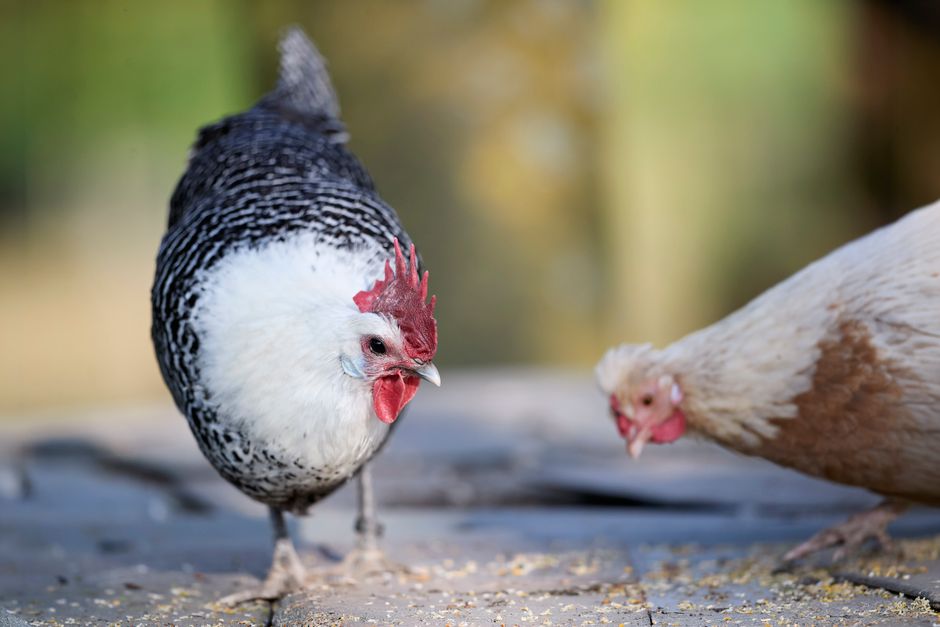
I’ve watched people spend $200 on a fancy brooder setup and then grab whatever chick starter bag was closest to the checkout at Tractor Supply. And honestly? The feed decision matters more than almost anything else you’ll spend money on those first eight weeks.
Chick starter feed is the single most important nutritional choice you’ll make for your birds. Not because the marketing says so, but because those first weeks of a chicken’s life set the foundation for everything: bone density, immune competence, gut health, and how well they’ll eventually lay. Get it wrong and you’re dealing with leg problems, slow feathering, weak pullets, or worse. Get it right and you barely have to think about it.
Here’s what I’ve noticed after a decade of doing this: most people treat chick starter like it’s interchangeable. Pour some crumbles in a feeder, done. But there are real differences between products, and a few decisions you need to make before you buy the first bag.
Use this matrix to match your specific chick source and setup to the right starter feed type.
| Your Situation | Feed Type | Why | Risk If Wrong Choice |
|---|---|---|---|
| Hatchery chicks WITH [coccidiosis vaccine](/chick-vaccinations/) | Non-medicated only | Amprolium blocks vaccine efficacy; vaccine needs live coccidia exposure to build immunity | Wasted vaccine cost ($0.15-0.25/chick); delayed or incomplete immunity |
| Hatchery chicks WITHOUT coccidiosis vaccine | Medicated recommended | No existing protection; amprolium controls parasite load while natural immunity develops | Coccidiosis outbreak risk peaks weeks 3-6; mortality can reach 20-50% in severe cases |
| Feed store bin chicks (vaccination status unknown) | Medicated safer | Assume unvaccinated; most feed store chicks receive Marek's only, not cocci vaccine | Gambling on unknown status; cocci thrives in warm, moist brooder litter |
| Chicks brooded on wire/clean surfaces (no soil contact) | Either acceptable | Coccidia requires fecal-oral transmission; minimal litter contact reduces exposure | Lower risk either way, but immunity won't develop without some exposure |
| Chicks with early outdoor access or soil contact | Medicated strongly recommended | Soil contains multiple Eimeria strains; high parasite pressure before immunity established | Rapid overwhelming infection possible; bloody droppings, lethargy, death within days |
| Raising meat birds (Cornish Cross, Rangers) to 8 weeks | Non-medicated often fine | Short lifespan limits exposure window; typically processed before cocci peaks | Lower overall risk, though outbreaks still possible in wet conditions |
General information for comparison, confirm specifics for your situation.
Medicated vs. Non-Medicated: The Decision That Actually Matters
This is where most new chicken keepers get tripped up, or get bad advice.
Medicated starter contains amprolium, a thiamine (Vitamin B1) blocker that inhibits the protozoan parasite Eimeria, which causes coccidiosis. It doesn’t kill coccidia outright, just slows their reproduction so chicks can build up natural immunity while the parasite load stays manageable. That’s the distinction nobody makes clear. Amprolium isn’t an antibiotic.
Whether you need medicated feed comes down to one thing: have your chicks been vaccinated for Marek’s disease AND coccidiosis?
If you ordered chicks from Meyer Hatchery or Hoover’s Hatchery and paid extra for the coccidiosis vaccine, don’t use medicated starter. The amprolium will interfere with the vaccine doing its job. The whole point of that vaccine is a controlled live coccidia exposure so the chick’s immune system learns to fight it. Amprolium suppresses that.
If your chicks weren’t vaccinated for coccidiosis (most hatchery chicks, since it’s an add-on), medicated feed is solid insurance, especially if you’re raising them in a brooder on the ground or they’ll eventually be on soil that’s housed birds before. Coccidia live in soil and are incredibly persistent. I use medicated starter with every unvaccinated batch. I’ve lost chicks to coccidiosis when I didn’t. It’s a miserable death and preventable.
One more thing: if you’re raising meat birds (Cornish Cross, Freedom Rangers), coccidiosis can be catastrophic because they grow so fast their immune systems can’t keep pace. Medicated starter isn’t optional there.
Protein Percentages and What the Bag Doesn’t Explain Well
Most commercial chick starters run 18% to 24% crude protein. Purina Flock Raiser sits at 20%. Purina Start & Grow is 18%. DuMOR Chick Starter/Grower is 20%. Scratch and Peck Feeds Naturally Free Starter hovers around 20%. These feel like small differences on paper but show up differently on real birds.
For standard laying breeds (Rhode Island Reds, Barred Rocks, Easter Eggers, Australorps), 18-20% protein is totally adequate. For heavy meat breeds or dual-purpose breeds that feather slowly, bumping to 20-22% helps. With Buckeyes and Delawares specifically, I’ve seen them feather faster and fill out better on 20% than 18%.
Here’s what people really get wrong: they worry about protein maximums. You’ll read online about “too much protein causing kidney damage in chicks,” and it’s largely overblown for what’s actually available to backyard keepers. You’re not going to hurt your chicks with a 22% starter. The much more common mistake is underfeeding protein by switching to grower or layer feed too early.
Don’t switch your chicks off starter before 8 weeks. Some people stretch it to 16-18 weeks, which is fine. Layer feed with its high calcium content (around 4%) can actually damage kidneys in young birds whose kidneys can’t process that load. I’ve seen this cause real problems in pullets switched to layer at 10-12 weeks.
Crumbles vs. Mash vs. Pellets
Crumbles win.
Mash is messy, gets wet, and ferments or molds in the feeder faster than you’d expect, especially in humid climates. Chicks also waste a lot by scratching it out. Pellets are too large for most chicks under 4-5 weeks. Crumbles are sized right, stay relatively clean in a good feeder, and chicks eat them efficiently.
A decent small feeder makes a noticeable difference in waste. The Little Giant Gallon Chick Waterer and Feeder Set works great for the first couple weeks. Nothing fancy, just appropriately sized. Once birds get bigger and more aggressive, something with a trough and adjustable ports controls waste better.
One thing worth knowing: if you want to ferment your chick feed (which genuinely does improve gut health and reduce feed consumption by around 20% in my experience), you can ferment crumbles or mash but not pellets. Fermented feed isn’t necessary, but if you’re the type who enjoys the process and wants to give your chicks a gut health boost, it’s a real option.
Organic, Soy-Free, and Non-GMO: What’s Actually Worth Paying For
Here’s where I’ll probably get pushback.
The premium feed market has exploded in the last five years. Scratch and Peck, Modesto Milling, Payback Organic, Tucker Milling’s organic line. These run $35 to $55 for a 35-40 lb bag compared to $16-22 for conventional Purina or DuMOR. That’s a real hit if you’re feeding 20+ chicks.
Organic certification means the grain inputs (corn, soy, wheat) were grown without synthetic pesticides or fertilizers and the product wasn’t formulated with synthetic amino acid supplements. Whether that matters to you is a values question, not a science question. The research genuinely doesn’t show meaningful differences in bird health outcomes between organic and conventional feed at the backyard scale.
Soy-free is different. Some people have genuine concerns about phytoestrogens in soy affecting laying hens, and there’s some plausible biology there, though the evidence in poultry is still thin. What soy-free producers like Scratch and Peck do is substitute peas and other legumes for soybean meal as the protein source. Birds eat it fine.
What I’d actually pay extra for: feed with added probiotics (Lactobacillus acidophilus strains specifically) or a well-formulated vitamin-mineral premix. The Purina Start & Grow with probiotics product isn’t dramatically more expensive than their base version and I’ve noticed better early-week survival rates in chicks fed it, though I can’t rule out other variables.
What I wouldn’t spend extra on: “pasture-raised” or “free-range” labeling on starter feed. Chicks are in a brooder. These labels mean nothing for them.
Grit, Supplements, and What to Keep on Hand
Plain chick starter from a reputable brand is nutritionally complete. You don’t need to add anything if that’s all they’re eating.
If you’re giving treats (which you will, because it’s irresistible), add chick grit. Not oyster shell, not adult grit. Chick grit. It’s finely ground granite sized for small crops. I like Manna Pro Chick Grit sprinkled in a small dish a few times a week once chicks are a week or so old and getting anything besides starter. Without grit, whole grains and fibrous greens can cause pasty butt or crop issues.
Electrolytes for the first 24-48 hours are worth having around, especially if chicks shipped and arrived stressed. Sav-A-Chick packets dissolved in water (just a day or two, not permanent) help them recover from shipping stress. After that, plain clean water is what they need.
Skip the sugar-water recommendation you’ll still see on old chicken forum posts. It doesn’t help and feeds bad bacteria.
FAQ
Sources
- Little Giant Gallon Chick Waterer and Feeder Set
- Manna Pro Chick Grit
- Erwin Bosman
- genuinely doesn’t show meaningful differences in bird health outcomes between or
How long do I feed chick starter?
Feed starter from hatch until around 8 weeks minimum. Many people run starter all the way to 16-18 weeks without any issue, which is fine. The main thing to avoid is switching to layer feed before birds are sexually mature and actively laying, because the high calcium will stress developing kidneys.
Can I mix chick starter with other feeds to stretch the bag?
You can, but I’d avoid it for the first 6 weeks. Starter is formulated to specific protein and micronutrient targets, and diluting it (especially with scratch grains or cracked corn) just means your chicks are getting less of what they need. After 8 weeks, if you’re transitioning to grower, mixing is fine as a gradual shift.
Does chick starter go bad?
Yes, faster than most people expect. Fats in poultry feed oxidize, vitamins degrade, and mold develops if moisture gets in. Buy what you’ll use in 6-8 weeks and store it in a metal trash can with a tight lid or a food-grade plastic bin. A 25 lb bag in a well-sealed container in a cool, dry space is good for about 60 days. Don’t trust bags that smell musty or off, even if the date says otherwise.
Do chicks need water before starter feed?
Give them water first, always, before you introduce feed. When chicks arrive, especially shipped ones, their priority is rehydration. Dip each chick’s beak in the waterer so they know where it is. Wait an hour or two, then introduce feed.
Is it okay to feed chick starter to ducks and turkeys?
Turkey poults actually need a higher protein starter, around 28-30%, for the first 8 weeks. Standard chick starter at 18-20% protein isn’t adequate for them. Ducks can eat chick starter but need niacin supplementation (Brewer’s yeast added to feed, around 2 tablespoons per cup of feed), since waterfowl have higher niacin requirements than chickens and deficiencies cause serious leg problems.
Buy the feed that makes sense for your setup, your values, and your birds. Keep it dry, know whether your chicks are vaccinated, and don’t switch to layer feed too early. That’s genuinely most of what there is to it.
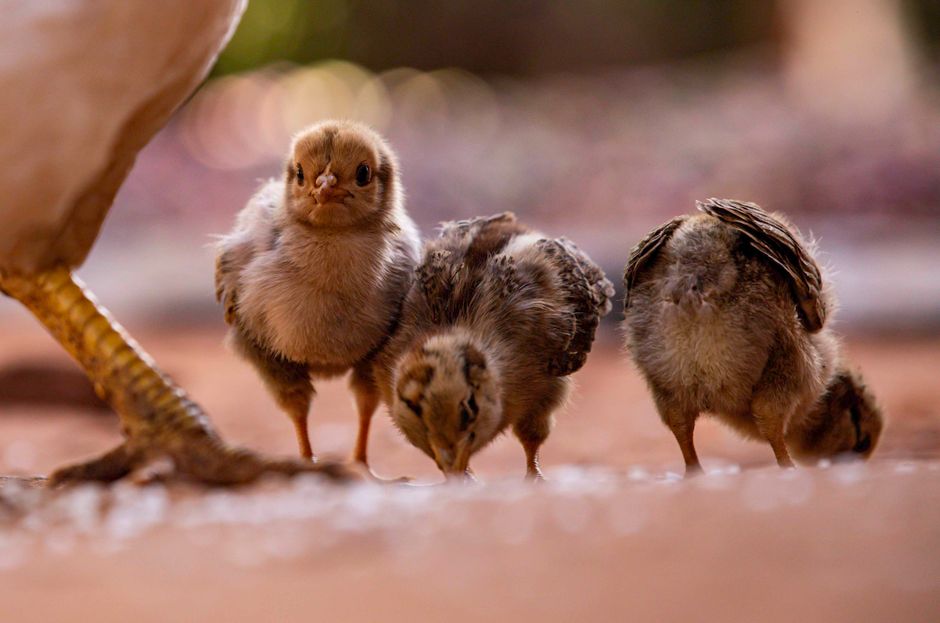
Photo: Erwin Bosman via Pexels