 Janet Wilson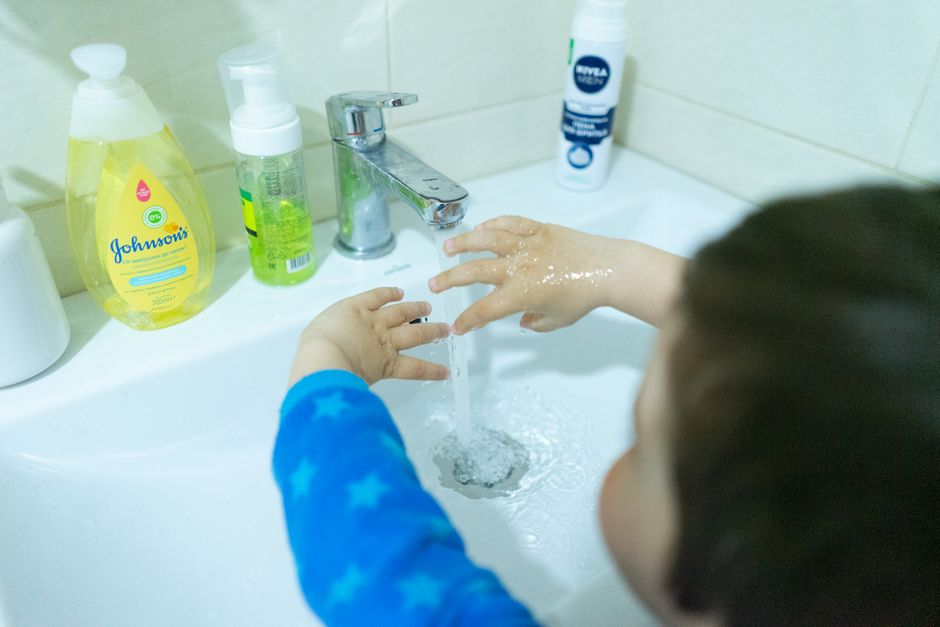
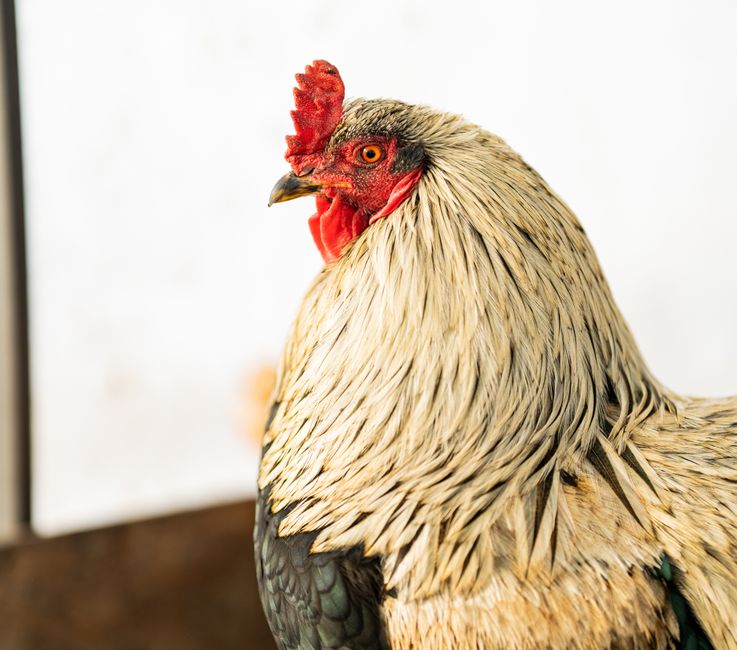
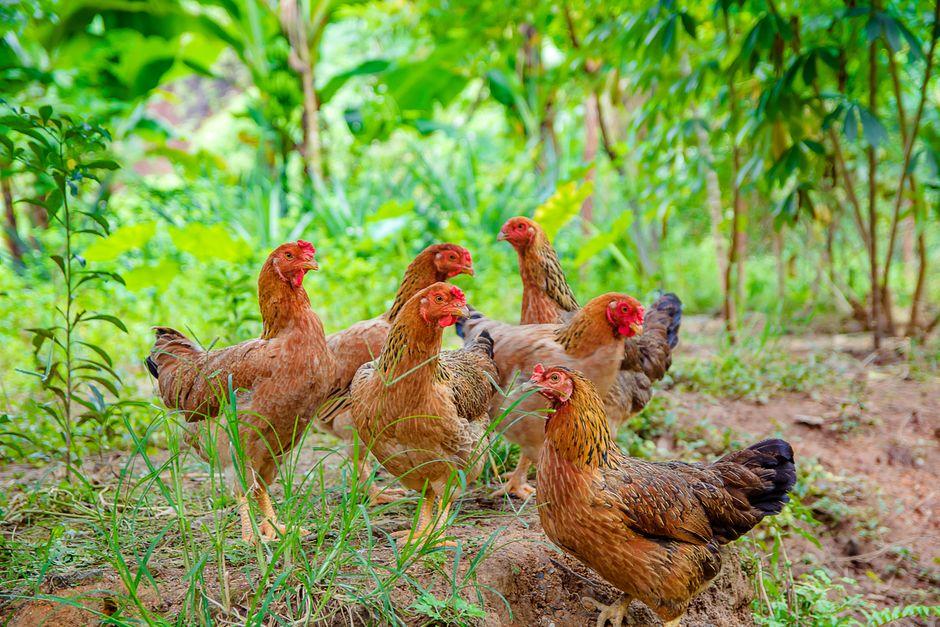
If you’ve got a backyard flock right now, this is the week to pay attention. As of June 17, 2026, the CDC is actively investigating eight simultaneous multistate Salmonella outbreaks all linked to backyard poultry contact. That’s not eight separate incidents that happened over a year. That’s eight concurrent outbreak strains being tracked at the same time, with 513 confirmed illnesses across 42 states and one U.S. territory, 134 hospitalizations, and one death. When I first saw the numbers, I assumed it was being reported in that breathless, overcautious public health way that makes chicken keepers roll their eyes. It’s not. This is genuinely serious.
Eight Outbreaks at Once Is Not Normal
The CDC typically tracks one or two backyard poultry Salmonella outbreaks per spring season. Eight simultaneous multistate investigations is unusual. Three specific strains are at the center: Salmonella Saintpaul, Salmonella Enteritidis, and Salmonella Mbandaka. They’re distinct bugs, all traced back to backyard poultry contact, all active at the same time.
What jumped out was how clearly the data points to spring chick purchasing as the trigger. According to the CDC’s active outbreak investigation page, in the earliest April snapshot of the Saintpaul strain alone, 93% of poultry owners who got sick had acquired new birds since January 1, 2026. This isn’t about longtime flock keepers with established biosecurity routines. It’s largely about people who walked into a feed store or got a hatchery shipment this spring, didn’t know what they were handling, and got sick, or their kids did.
The Duck Problem Nobody Talks About
Something caught my attention in the CDC data: the largest single outbreak in this cluster has an unusually high proportion of cases linked specifically to duck contact, not just chickens. Most backyard poultry Salmonella guidance focuses on chicks and chickens. Ducks get treated as the safer, friendlier option. People let ducks waddle around their yards, let kids pet them, treat them more like pets than livestock.
But ducks are often heavier Salmonella shedders than chickens, especially in water. They splash in their waterers. They defecate constantly while swimming. They look clean because they’re in water. They’re not clean. The water they splash around in is essentially a Salmonella delivery system if you’re not managing it correctly. If you added ducks to your setup this spring, especially if you have young kids, that’s a specific risk factor worth taking seriously right now.
A Quarter of the Sick Are Kids Under Five
One in four people sick in these outbreaks is a child under five years old. That tracks with everything we know about how Salmonella exposure happens in backyard flock households. Young kids touch birds, then touch their faces. They sit on the ground where birds walk. They want to hold chicks and ducklings, and chicks and ducklings are specifically adorable in ways that make it hard to say no.
As CIDRAP reported in April when the Saintpaul strain first emerged, the CDC was already flagging children as the highest-risk population before the case count hit 150. Now that it’s past 500, the demographic pattern hasn’t changed. If you have children under five in your household, or if they visit your property, the risk is real. That doesn’t mean shutting down your flock. It means being genuinely rigorous about handwashing, about where birds are allowed to roam, and about whether your kids understand they can’t kiss the chickens. (They want to kiss the chickens. This is the constant battle.)
What “Backyard Poultry Contact” Actually Means
| Risk Factor | Details | Mitigation |
|---|---|---|
| New bird acquisition (spring 2026) | 93% of early Saintpaul cases had acquired birds since January 1 | Source birds from certified disease-free hatcheries; quarantine new arrivals |
| Duck contact | Highest proportion in largest outbreak cluster; heavy Salmonella shedders in water | Restrict children from duck areas; manage waterer splash zones |
| Children under 5 | 25% of all cases in outbreak cluster | Enforce handwashing after bird contact; restrict hand-to-face behavior |
| Fecal contact pathways | Birds themselves, eggs, waterers, feeders, coop bedding, yard surfaces | Wash hands immediately after coop work; keep birds out of house |
| High-risk household members | Elderly, young children, pregnant people, immunocompromised | Tighten protocols immediately; consider additional household separation |
Standard public health messaging on this topic frustrates me because it’s vague. “Avoid contact with backyard poultry” isn’t useful guidance for someone who keeps backyard poultry. Let’s be specific about where the actual risk lives.
Salmonella is shed in feces. Birds look clean. They are not clean. The risk surfaces are: the birds themselves, eggs before they’re washed, waterers and feeders, the coop floor and bedding, any surface in your yard where birds have walked, your hands and shoes after you’ve been in the coop. You don’t need to be pecked or scratched to get exposed. You touch a feeder, you don’t wash your hands, you eat lunch. That’s the mechanism.
The Food Poison Journal’s 2026 Salmonella outbreak roundup notes that this cluster is part of a broader pattern of elevated Salmonella activity across multiple vectors this year, which makes it even more important not to treat flock management as a low-stakes habit right now. The specific behaviors that matter: wash your hands with soap and water immediately after handling birds or anything in their environment, keep birds out of your house, and don’t wash eggs in the kitchen sink where you also prep food. These aren’t new recommendations. They’re the ones people get sloppy about after they’ve had chickens for a while without getting sick.
Should You Be Worried, or Just More Careful?
There are an estimated 15 to 20 million backyard flock keepers in the United States. Five hundred thirteen confirmed cases is a significant outbreak cluster, but it’s not a reason to give up your flock. Salmonella from backyard poultry is a known, manageable risk. What’s different about June 2026 is that eight strains are circulating simultaneously, case counts are climbing fast, and if you bought new birds this year, your risk is higher than baseline.
The one death in this outbreak is a sobering reminder that Salmonella isn’t just an unpleasant week of stomach trouble for everyone. Elderly people, young children, pregnant people, and anyone immunocompromised can face genuinely serious illness. If that describes someone in your household, tighten up your protocols now, not eventually.
The CDC is updating the outbreak investigation page continuously. Check it. Know which strains are circulating, watch for case counts climbing in your state, and if anyone in your household develops severe gastrointestinal illness and you keep birds, tell your doctor about the poultry contact immediately. That information changes how they investigate and how fast they act.
Sources
- CDC , Salmonella Outbreaks Linked to Backyard Poultry (Active Investigation) (June 17, 2026, updated continuously)
- CDC Newsroom , Update: Ongoing Salmonella Outbreaks Linked to Backyard Poultry (May 14, 2026)
- CIDRAP , CDC Confirms New Salmonella Outbreak Linked to Backyard Poultry (April 27, 2026)
- Food Poison Journal , Salmonella Outbreaks of 2026: Poultry, Oysters and Moringa (May 2026)
- The Poultry Site , US Salmonella Outbreaks Linked to Backyard Poultry (May 15, 2026)
Photo: Atlantic Ambience via Pexels