 Dr. Tom Henderson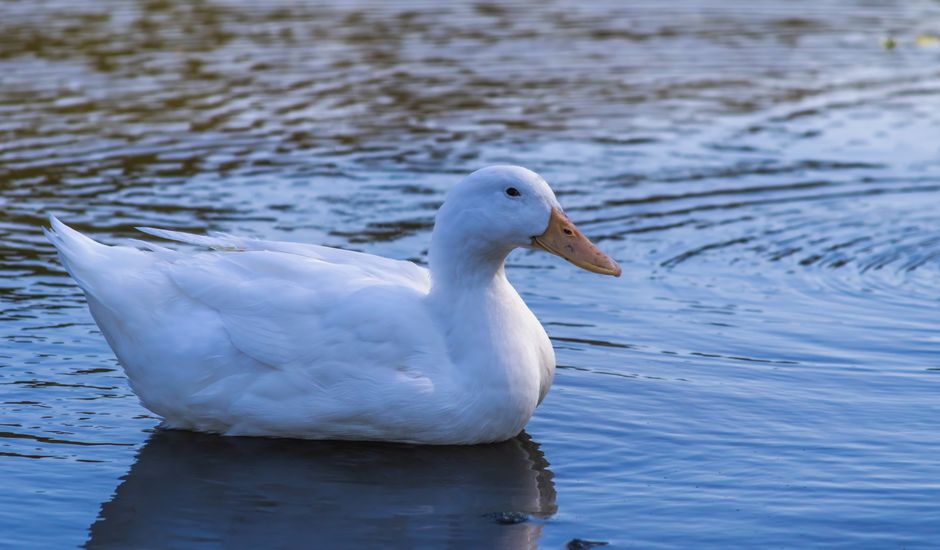
If you picked up ducklings or chicks from a farm store this spring and you’ve got kids under five in the house, stop and read this before you do anything else.
The CDC is currently tracking one of the more complicated backyard poultry Salmonella situations in recent memory. As of late June 2026, 513 people across 42 states have gotten sick from five simultaneous Salmonella strains, all linked to backyard poultry purchased in spring 2026. Five strains at once: Enteritidis, Indiana, Infantis, Mbandaka, and Saintpaul. That’s not a single contaminated batch from one bad hatchery. That’s a supply chain problem, and it’s ongoing.
The part that caught my attention, and should catch yours, is the duck angle.
Why Pekin Ducks Are the Center of This Outbreak
| Salmonella Strain | Confirmed Cases | Primary Poultry Contact | Key Detail |
|---|---|---|---|
| Saintpaul | 133 | Ducks/Ducklings (50%) | 64% of identified cases involved Pekin ducks |
| Enteritidis | Not specified | Mixed | Part of five-strain outbreak |
| Indiana | Not specified | Mixed | Part of five-strain outbreak |
| Infantis | Not specified | Mixed | Part of five-strain outbreak |
| Mbandaka | Not specified | Mixed | Part of five-strain outbreak |
Most years when we talk about backyard poultry and Salmonella, the conversation is almost entirely about chicks. Chickens dominate the hobby, they dominate the outbreak data, and they dominate the CDC’s warnings. This year is different.
The largest single strain in this outbreak is Salmonella Saintpaul, with 133 confirmed patients. Half of those patients reported contact with ducks or ducklings, not chickens. That’s a striking number. In past outbreaks, duck contact was a footnote. Here it’s essentially half the story for the biggest strain. Of the 42 Saintpaul patients who identified a specific breed, 64% named Pekin ducks. CDC called that out explicitly as a distinguishing feature of this outbreak, and it’s the kind of specificity that should make any Pekin duck owner take inventory of where their birds came from.
I’ve seen people assume ducks are somehow “cleaner” than chickens because they’re waterfowl, they swim, they seem to wash themselves constantly. That’s not how Salmonella works. Ducks, like all poultry, can shed Salmonella in their droppings without showing any signs of illness at all. A duckling that looks perfectly healthy at the farm store can be shedding bacteria the whole time it sits in your brooder.
The Hatchery Connection and What 84% Tells You
Seven hatcheries have been linked to the outbreak strains. The CDC hasn’t published a complete named list publicly in the way a product recall would name a brand, which is genuinely frustrating if you’re trying to do a quick check. What they have confirmed is that most birds were obtained through agricultural retail stores, the big-box farm supply chains and local co-ops where chick and duckling days draw crowds every spring.
The number that tells the real story here: 84% of sick backyard poultry owners purchased their birds on or after January 1, 2026. This is not a problem left over from last year’s flock. The contaminated birds moved through the supply chain this spring, during the peak buying season, and they went into backyards across 42 states before anyone knew there was a problem. That’s how these outbreaks work. By the time the CDC connects enough case reports to see a pattern, the birds are already home.
If you bought ducklings or chicks from a retail farm store between January and June of this year, treat that as relevant information. Check the CDC’s investigation page directly for any hatchery updates. The CDC’s ongoing investigation update has been updated multiple times since April and is the most current source for hatchery details as they become available.
The Antibiotic Resistance Piece Nobody’s Talking About Enough
Here’s the part that doesn’t get enough attention in the news coverage. Whole genome sequencing of the outbreak strains confirmed antibiotic resistance in some cases, specifically resistance to ampicillin, ceftriaxone, and ciprofloxacin. Those aren’t obscure antibiotics. Ciprofloxacin is a go-to for serious Salmonella infections in adults. Ceftriaxone is commonly used for severe cases in children.
What that means practically: if someone in your household gets seriously ill from one of these strains, treatment becomes a more complicated conversation between the doctor and the lab. Most healthy adults will fight off Salmonella without antibiotics anyway, and that’s still true here. But for a young child who develops a systemic infection, or an immunocompromised family member, the resistance data matters. Food Safety News reported on the rising case counts in May, noting how quickly numbers were climbing, and this resistance finding is part of why public health officials are taking this cluster seriously rather than treating it as routine.
The Kids Under Five Rule Is Not Optional This Year
More than 25% of the 513 cases are children under age 5. That’s over 128 young children sick from a hobby that’s supposed to be wholesome and educational. CDC’s guidance is unambiguous: children under 5 should not handle chicks, ducklings, or any backyard poultry.
I know that’s a hard sell in practice. The entire appeal of getting ducklings in April is watching your kids fall in love with them. But little kids do what little kids do. They cuddle the birds, they get pecked and touch their faces, they sit on the ground near the brooder and then eat a snack without washing their hands. You cannot supervise every second, and you shouldn’t have to with young children. The safest answer with kids that age is no direct contact, full stop, for this season especially.
For older kids and adults, the basics still apply and they work: wash hands with soap and water immediately after any contact with birds, their feed, their water, their bedding, or anything in their space. Don’t bring birds into the house. Don’t let them in areas where food is prepared. Keep the brooder out of the kitchen. These aren’t new rules, but they’re worth resetting on right now given what’s moving through flocks this year.
If you or your child develops diarrhea, fever, or stomach cramps after handling backyard poultry, tell your doctor about the exposure immediately. As Medical Daily reported in late June, the CDC is specifically urging families to make that connection explicit when seeking care, because it changes how doctors approach testing and treatment.
The broader situation, five strains, seven hatcheries, ducks in the spotlight for once, is still developing. Check the CDC investigation page before you buy any more birds this season, and take the spring 2026 purchase window seriously as a risk factor in your own flock’s history.
Sources
- CDC Investigation Update: Salmonella Outbreaks Linked to Backyard Poultry (Saintpaul, April 2026) (May-June 2026, ongoing updates)
- Your Backyard Chickens Could Make Your Child Seriously Ill, CDC Warns Families , Medical Daily (June 25, 2026)
- Outbreak Numbers Related to Backyard Poultry Flocks Rising Quickly , Food Safety News (May 27, 2026)
- CDC UPDATE: Ongoing Salmonella Outbreaks Linked to Backyard Poultry Sickens 150 More People , CDC Newsroom (May 14, 2026)
- US Salmonella Outbreaks Linked to Backyard Poultry , The Poultry Site (May 15, 2026)
Photo: Robert So via Pexels