 Janet Wilson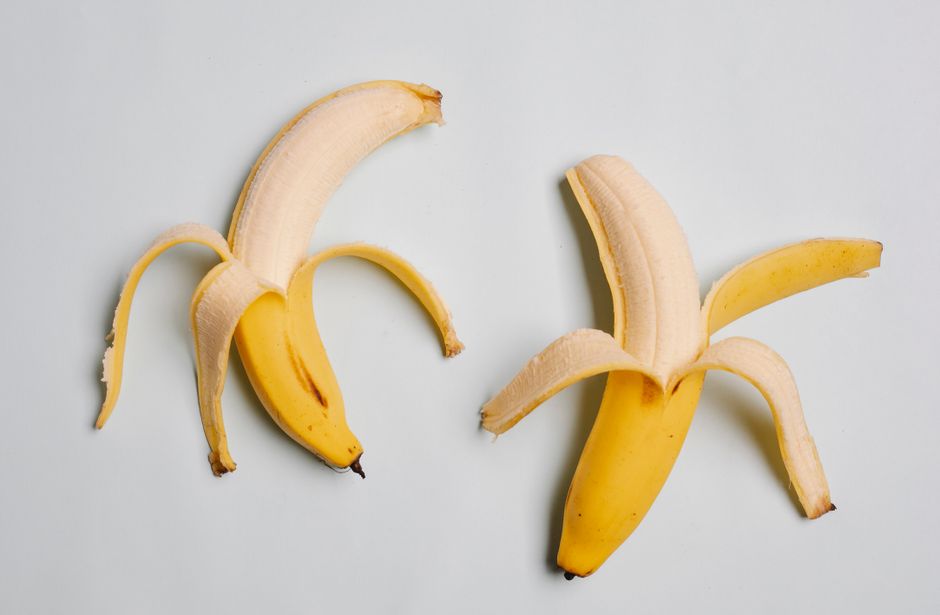
Banana peels make up roughly 40% of a banana’s total weight, which means if you’re going through even a modest amount of fruit in your house, you’re throwing away a meaningful volume of food scraps every single week. The question most backyard keepers ask is whether any of that needs to go in the trash at all, or if their flock can handle it.
Short answer: yes, chickens can eat banana peels. But there’s a longer answer worth knowing before you toss a pile of them into the run and call it a day.
I’ve seen more than a few people assume that because bananas are fine, the peels must be identical nutritionally. They’re not. The peel is fibrous, higher in certain minerals than the fruit itself, and comes with a few caveats that don’t get mentioned on the “chickens can eat almost anything!” type posts that dominate social media groups. Let me break down what’s actually in the peel, what the risks are, and how I handle them with my own flock.
- Chickens can eat banana peels safely, but peels should be chopped and offered in moderation, not as a daily staple.
- Conventional banana peels carry pesticide residue risk; organic or rinsed peels are the better choice.
- Banana peels are higher in potassium and B6 than the fruit, but also high in sugar and fiber, which limits how much you should feed.
- Raw peels are tough for chickens to tear and swallow; cooking or chopping dramatically improves uptake and reduces waste.
- Peels should never replace a complete layer feed, which needs to stay at 85-90% of the diet.
What’s actually in a banana peel
Here’s the part most guides skip. People assume the peel is nutritional filler, basically compost material. That’s not quite right.
A 100-gram serving of banana peel contains roughly 2.8g of protein, around 0.5g of fat, and between 3-4g of dietary fiber, according to nutritional analysis published by the journal Food Chemistry. It’s also notably high in potassium (around 78mg per 100g of peel vs roughly 358mg per 100g of the edible fruit, so lower per gram but still present), and contains B6, magnesium, and small amounts of B12. What I didn’t know until I dug into this: banana peels also contain serotonin precursors, which is fascinating but of debatable relevance to a chicken’s daily wellbeing.
The sugar content is where you need to pay attention. Banana peels contain roughly 16-18g of carbohydrates per 100g, with a meaningful fraction of that being natural sugars. For chickens, high-sugar treats can throw off gut flora and contribute to loose droppings if fed in excess. I learned this the hard way the first summer I kept a small backyard flock in Wisconsin and got too generous with fruit scraps across the board. By mid-August I had four Barred Plymouth Rocks with sloppy droppings and a lingering smell in the coop that took two full cleanings to resolve. Cutting all the fruit scraps for two weeks fixed it.
B6 is actually higher in the peel than in the fruit, which surprised me when I first came across the data. For laying hens, B6 supports amino acid metabolism and immune function, so there’s a legitimate argument for the peel having some value in the diet. Just not unlimited value.
The pesticide problem nobody warns you about
This is the one that changes how I recommend handling banana peels, full stop.
Bananas are consistently among the most heavily treated crops in commercial agriculture. The Environmental Working Group (EWG) has noted that while banana fruit often tests relatively clean due to its protective peel, that same peel absorbs the pesticide load that was meant to protect the fruit. A 2021 analysis by researchers at the University of Ghent found detectable residues of fungicides including thiabendazole and chlorpyrifos on the outer surface of conventionally grown banana peels.
Chickens that free-range or eat varied diets have some natural buffering capacity, but I wouldn’t rely on that. My personal approach: if the bananas are conventional (most grocery store bananas are), I soak the peels in a basin of cold water with a splash of white vinegar for about 10 minutes, then rinse. It’s not a perfect fix but it reduces surface residue meaningfully. If you can get organic bananas, even better, though honestly I don’t buy organic specifically for the chickens; I use whatever organic ones were going brown on the counter.
One reader, Darla from outside Asheville, emailed me last spring asking why her hens were ignoring the banana peels she’d been offering. When I asked how she was preparing them, she said she was tossing whole peels in. That’s almost always why hens ignore them.
How to actually prepare them
3 BEST CHICKEN BREEDS | Backyard & Family Flocks | Favorite Poultry Varieties For Beginners | Chicks · Oak Abode on YouTube
Raw banana peels are tough and slippery. A chicken’s beak is designed for pecking, scratching, and tearing relatively small pieces. A whole banana peel is not a small piece. It’s kind of like throwing a strip of wet leather into the run and expecting them to do something useful with it.
What works:
Chop the peels into pieces roughly half an inch to an inch wide. Chickens can manage this size with minimal effort, and it prevents the peel from getting dragged around, getting muddy, and ultimately being ignored. Alternatively, boil or steam the peels for 3-5 minutes first. Cooking breaks down the fibrous structure dramatically and makes the peel almost mushy, which my flock goes absolutely wild for. I sometimes freeze ripe banana peels in a zip-lock bag and pull them out as a hot-weather treat, then chop and steam them the day I plan to use them.
I tested this with my current flock of eight hens, a mix of Easter Eggers, a Buff Orpington, and a couple of older Black Australorps, over about four weeks this past spring. Raw whole peel: seven out of eight walked away from it. Chopped raw: four ate it, four didn’t. Steamed and chopped: all eight cleared it within about 20 minutes. Preparation genuinely matters here.
How much is too much
| Feed type | Recommended % of diet | Max frequency | Notes |
|---|---|---|---|
| Complete layer pellets/crumble | 85-90% | Daily | Non-negotiable base |
| Leafy greens, cucumber, zucchini | Up to 10% | Daily to several times/week | Low sugar, high water content |
| Banana fruit | Up to 5% | 2-3x per week max | Higher sugar, limit portions |
| Banana peel (prepared) | Up to 5% | 2x per week max | Chop or cook; watch droppings |
| High-sugar fruits (mango, grapes) | Under 3% | Occasional | Easy to overfeed |
The 10% treat rule is well-established in poultry nutrition literature, including guidance from Penn State Extension. Everything that isn’t complete layer feed should collectively stay within that window. So banana peels don’t get their own separate 5% allocation on top of everything else; they share that treat budget with whatever else you’re offering.
A practical scenario: you have six laying hens and you’re offering greens, occasional table scraps, and now banana peels. Two or three peels, chopped and steamed, split across six birds twice a week, is probably fine. Half a bunch of peels every single day is not, regardless of how enthusiastically they eat them.
Scenarios and outcomes
Scenario 1: A keeper offers one steamed, chopped banana peel split between five hens, twice weekly, alongside their standard layer pellets. No other high-sugar treats. Result: No change in droppings, no reduction in egg production, hens actively seek the peel when offered. This is basically the best-case scenario and what I’d call a reasonable baseline.
Scenario 2: A keeper with seven hens starts tossing two to three whole conventional banana peels into the run daily, thinking “they’ll eat what they need.” Hens mostly ignore the peels, the peels mold within 24 hours in warm weather, and one hen with a pre-existing sensitive gut develops intermittent loose droppings that the keeper attributes to other causes. Result: Mold risk, wasted food, possible GI disruption. The issue here is whole peels plus volume plus no prep.
Scenario 3: A keeper rinses and dices organic banana peels, stores them in the freezer, and offers them two or three times weekly as enrichment by scattering the pieces in the run. Hens forage for them, which provides behavioral enrichment on top of the nutritional contribution. Result: Zero negative effects over a full laying season, slightly better foraging behavior noted. This one was essentially what I moved to after figuring out the prep variable.
Sources
- Food Chemistry (Elsevier): Nutritional profile analysis of banana peel composition, referenced for macronutrient and micronutrient data
- Environmental Working Group (EWG): Pesticide residue assessments on commercial produce, relevant to banana peel surface contamination risk
- University of Ghent (2021): Analysis of fungicide residues including thiabendazole on banana peel surfaces from conventionally grown fruit
- Penn State Extension: Poultry nutrition guidelines, including the 10% treat rule for backyard flocks
- USDA Agricultural Research Service: Banana compositional data used as comparative baseline for fruit vs. peel nutrient values
Photo: Any Lane via Pexels