 Dr. Tom Henderson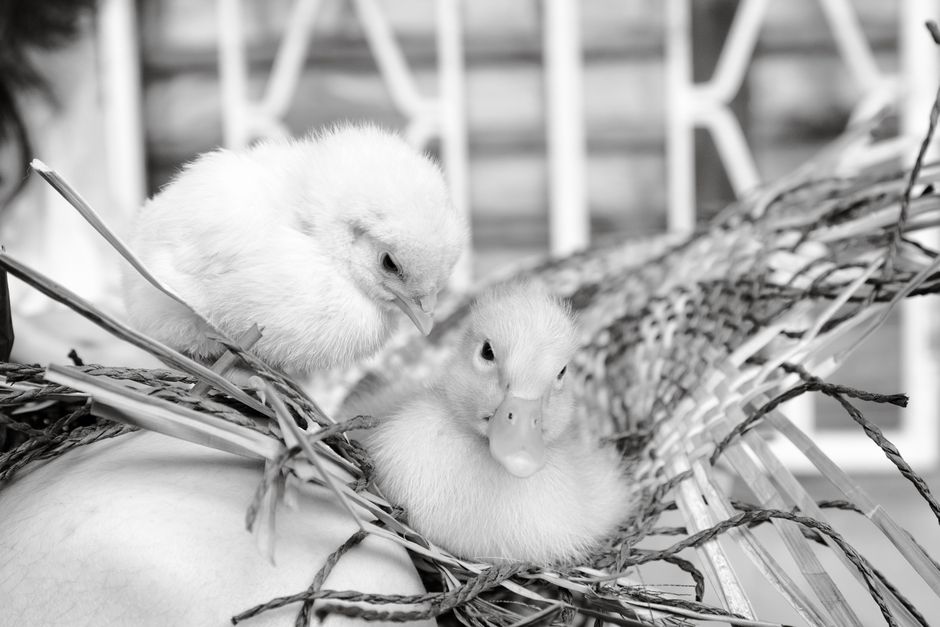
I’ll be honest: the first time I ordered chicks online, I thought I was being reckless. Paying $6 to $12 per chick, plus $30 or more in shipping, for birds I couldn’t inspect, from a hatchery I’d never visited, that would arrive through the United States Postal Service? It felt insane. Three days later, a chirping box showed up at my local post office at 6 a.m. and every single chick was alive, alert, and hollering. I’ve ordered online probably a dozen times since then, and I’ve also had a shipment go badly wrong. So here’s the real rundown.
These five major online hatcheries differ significantly in minimum orders, shipping costs, and guarantee policies-factors that can swing your total cost by $50 or more.
| Hatchery | Typical Chick Price | Minimum Order | Shipping (Continental US) | Live Arrival Guarantee | Best For |
|---|---|---|---|---|---|
| Murray McMurray | $4-$15 | 3 chicks (with heat pack) | $35-$50 | Full refund or credit | Wide breed selection, heritage varieties |
| Meyer Hatchery | $4-$12 | 3 chicks (any season) | $30-$45 | Refund or reship | Small orders, beginner-friendly policies |
| Cackle Hatchery | $3-$10 | 3 chicks (15 in cold months) | $25-$40 | Credit toward next order | Budget-conscious, rare heritage breeds |
| Hoover's Hatchery | $3-$8 | 15 chicks (standard) | Often included in price | Refund or credit | Larger flocks, farm supply store stock |
| Greenfire Farms | $25-$100+ | Varies by breed (often 6+) | $50-$75 | Case-by-case | Rare imports, exhibition-quality genetics |
General information for comparison, confirm specifics for your situation.
Why People Order Online in the First Place
Your local feed store in March has Buff Orpingtons, Rhode Island Reds, and maybe a straight-run bin of something ambiguous. That’s it. Want Barnevelders, Speckled Sussex, Black Copper Marans, or literally any breed with personality beyond “generic brown egg layer”? You’re going online or you’re driving three hours to a specialty farm.
The selection gap is brutal. Meyer Hatchery in Polk, Ohio stocks 60-plus breeds. Murray McMurray in Webster City, Iowa has even more. Cackle Hatchery out of Missouri carries heritage breeds you genuinely can’t find anywhere locally. Greenfire Farms in Florida sells rare imports like Bielefelders and Olandsk Dwarf chickens that basically don’t exist outside the catalog. For anyone who cares about breed options, local feed stores are just not competitive.
Then there’s the sexing advantage. Most local stores sell straight run (unsexed) chicks, which means you’re gambling that 50% won’t be roosters you can’t keep. Hatcheries offer pullets (sexed females) with 90-95% accuracy. It’s not perfect, and I’ve gotten surprise roosters from every hatchery I’ve used at least once, but it beats a bin of mystery chicks.
Picking a Hatchery (And Why It Actually Matters)
Not all hatcheries are the same, and this is where people make expensive mistakes.
The big three that most people land on are Murray McMurray, Meyer Hatchery, and Cackle Hatchery. All three are NPIP-certified (National Poultry Improvement Plan), which means their flocks are tested for Pullorum-Typhoid and sometimes Avian Influenza. That certification actually matters. I wouldn’t order from a hatchery that isn’t NPIP-listed, and you can verify listings at the USDA APHIS website.
What surprised me was how much minimum order policies affect the actual cost. Murray McMurray dropped their minimums and now does 3 or more chicks on certain breeds, with heat packs included. Meyer lets you order as few as 3 chicks on most breeds. Cackle still leans toward larger minimums on some stock. This changes everything if you’re a backyard keeper who wants 4 or 6 birds, not 25.
After years of ordering, here’s my honest take: Meyer is my personal go-to for small orders and breed selection. Customer service is responsive, hatch rates have been consistently solid, and the birds arrive healthy. Murray McMurray has a bigger catalog but pricing creeps higher and the website becomes a nightmare to navigate during spring season when half the dates are sold out. Cackle deserves consideration for heritage breeds at slightly lower price points. Greenfire operates in a totally different category, basically luxury heritage birds, with prices that match.
Nobody warns you about this part: hatcheries sell out fast. Specific breeds, specific dates, specific sexed lots. If you want Maran pullets for May delivery, you need to be on that website in January. I’ve missed entire seasons by waiting until March to think about April chicks.
How Shipping Actually Works (And When It Doesn’t)
This is the part that makes people anxious, and honestly, some anxiety is justified.
Hatcheries ship day-old chicks because the yolk sac provides roughly 48 to 72 hours of nutrition without food or water. They go in ventilated cardboard boxes with wood shavings, sometimes a heat pack depending on weather, sometimes a “packing peanut” (an extra male chick for warmth). That’s why minimum orders exist: a lone chick chills and dies.
USPS Priority Mail Express is the standard method, targeting 1-2 day delivery. But here’s the problem: USPS handles millions of packages and a box marked “LIVE ANIMALS” in bright red can sit in a sorting facility overnight in temperatures that kill them. This happens more often than hatcheries admit.
My failed shipment got routed wrong through a distribution center, adding a full day in transit during an April cold snap. I lost 4 of 10 chicks. Meyer reshipped everything with no argument, which is exactly what you want from a reputable hatchery. But this is also why you should photograph dead chicks immediately for documentation.
Things that genuinely improve your odds:
- Order for spring or fall delivery when temperatures are moderate
- Pick chicks up from the post office instead of waiting for delivery (call ahead and ask them to hold the box)
- Request a heat pack if there’s any chance of cold during transit
- Have your brooder already running at temperature before arrival
Setting Up Before the Box Arrives
I see people order chicks then scramble to build a brooder the day before they arrive. Don’t do this.
You need a heat source at 95°F at chick level for the first week, dropping 5 degrees per week after that. A brooder plate heater like the Brinsea EcoGlow (around $60-70 on Amazon) is what I use now and it’s infinitely safer than heat lamps, which are a genuine fire risk. A Brinsea EcoGlow brooder plate mimics a mother hen, chicks go underneath, and you’re not hanging a 250-watt bulb over a cardboard box full of wood shavings.
For feed, start with 20-21% protein chick starter. I use Purina Flock Raiser (unmedicated) or Purina Medicated Chick Starter if coccidiosis pressure is high in my area. A chick feeder and waterer set costs under $15 and should be ready before they arrive.
When chicks land, dip each beak in water before setting them down. This sounds obsessive but it works. Stressed shipped chicks sometimes don’t seek water on instinct the way broody-raised chicks do.
The Stuff the Hatchery Website Won’t Say
Sources
A few things I learned the hard way:
Hatchery birds are production-selected. Even heritage breed names can be misleading. A “Barred Plymouth Rock” from a large hatchery isn’t the same genetics as one from a preservation breeder. It’ll still lay well and be friendly, but if you want true heritage conformation for shows or breeding, you need specialty breeders, not hatcheries.
Sexing errors happen. I’ve gotten surprise cockerels from Meyer, Murray McMurray, and Cackle. It’s not malice, it’s biology. Vent sexing hits 90-95% accuracy and feather sexing only works on certain breeds. Plan for an extra rooster.
The “free rare chick” some hatcheries throw in is almost always male. It’s warmth insurance for shipping and almost always a breed you didn’t ask for. Decide before arrival what you’ll do with a random rooster.
If you’ve been hesitant about ordering online because it seems risky or strange, I get it. It seemed that way to me too. But for anyone who wants specific breeds, sexed pullets, or anything beyond the three options at your local feed store, this is how serious backyard keepers stock their flocks. Just be ready before that box shows up.
Photo: DΛVΞ GΛRCIΛ via Pexels