 Janet Wilson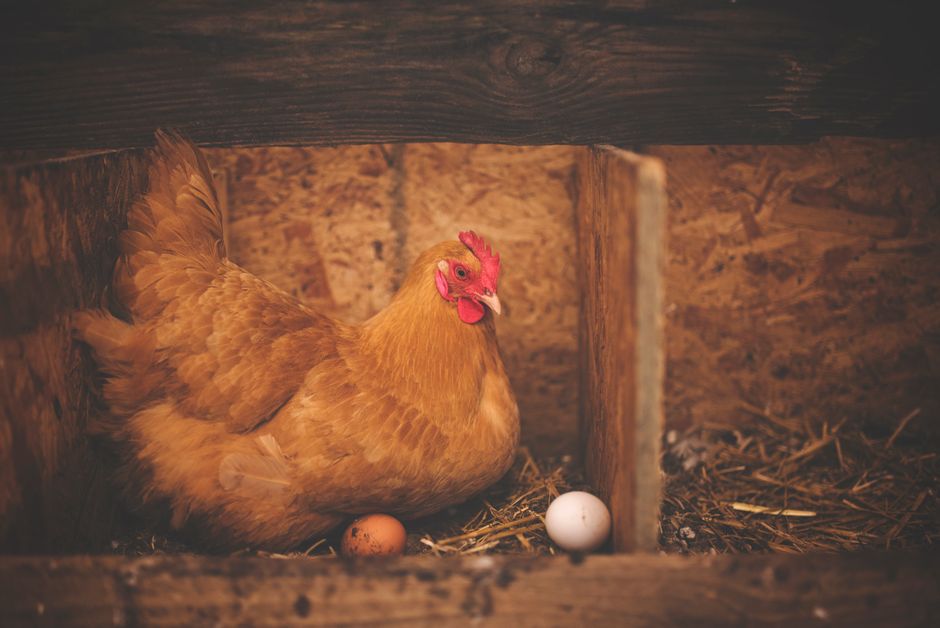
You walk out to the coop one morning and find one of your hens planted on the nest like a feathered boulder. She puffs up, growls, and tries to remove your hand from your wrist when you reach under her. She hasn’t moved in two days. The other hens are laying their eggs and walking away like normal adults, but this one has decided the nest box is her permanent address. Congratulations. You have a broody hen.
Most articles will tell you she “wants to hatch eggs” and offer you three vague options. What they skip is the part where she stops eating, loses a third of her body weight, monopolizes the only nest box your other five hens want to use, and can stay locked in this hormonal trance for six to twelve weeks if you do nothing. That’s the version you need to understand before you decide what to do about her.
Breed genetics largely determine whether you'll deal with broody hens annually, occasionally, or almost never-here's how common breeds stack up.
| Breed | Broodiness Level | Typical Frequency | Breaking Difficulty | Notes |
|---|---|---|---|---|
| Silkie | Very High | 3-6 times/year | Hard | Will brood in any season; often used to hatch other breeds' eggs |
| Cochin | Very High | 2-4 times/year | Hard | Dedicated sitters but poor foragers while broody |
| Orpington | High | 1-3 times/year | Moderate | Good mothers; buff variety broodiest |
| Brahma | High | 1-2 times/year | Moderate | Large body covers more eggs but can accidentally crush chicks |
| Wyandotte | Moderate | 1-2 times/year | Moderate | Varies by individual; silver-laced less broody than others |
| Australorp | Moderate | 0-2 times/year | Easy-Moderate | Production strains less broody than heritage lines |
| Plymouth Rock | Low-Moderate | 0-1 times/year | Easy | Barred variety rarely broody; buff more prone |
| Easter Egger | Low | Rare | Easy | Mixed genetics means unpredictable; most don't brood |
| Rhode Island Red | Very Low | Rare | Easy | Production breeding eliminated trait in most lines |
| Leghorn | Almost None | Extremely rare | Very Easy | Bred for eggs only; broodiness nearly eliminated |
| ISA Brown/Production Red | None | Never | N/A | Commercial hybrids; trait completely bred out |
General information for comparison, confirm specifics for your situation.
What Brooding Actually Is (And Why It Happens)
Broodiness is driven by prolactin, the same hormone that triggers maternal behavior in mammals. When a hen goes broody, her prolactin spikes, her body temperature rises (the underside of a broody hen runs about 104 to 106 degrees Fahrenheit, which is why she’s such a reliable incubator), and her brain locks her into a single behavioral loop: sit on eggs, protect eggs, hatch eggs.
She didn’t decide to do this. It’s not a mood. It’s physiology.
The trigger is usually lengthening daylight, warm weather, and eggs in the nest. Some hens will go broody over a single golf ball. Some will go broody over nothing at all, sitting on bare wood with absolute conviction. Genetics determines how prone a hen is to this state, which is why the hatchery industry spent decades selectively breeding it out of production breeds.
She’ll leave the nest once a day, usually late morning, for what’s known as a broody poop. These are legendary: enormous, foul-smelling, genuinely shocking the first time you encounter one. She’ll eat and drink a little, then return to the nest within 15 to 30 minutes. If she’s not doing even that, she needs intervention.
Which Breeds Go Broody (And Which Won’t)
Here’s where people get surprised. If you have Leghorns, you might go years without seeing a broody hen. If you have Silkies, you’re running a maternity ward.
Highly broody breeds: Silkie, Cochin, Buff Orpington, Brahma, Sussex (Light Sussex especially), Australorp, and most bantams. My Buff Orpingtons go broody two or three times a season. My one Silkie hen spent more time broody than not during her first two years.
Moderate broodiness: Plymouth Rock, Wyandotte, Easter Egger, Marans. You’ll see it occasionally, not constantly.
Low to no broodiness: Leghorn, Rhode Island Red (production strains), Sex-Links, Golden Comet, and most commercial hybrid layers. These breeds were selected for continuous laying, and the broody instinct got largely bred out. If your production Red goes broody, it’s the exception.
Knowing your breed matters because it changes everything. A Silkie going broody in May is unremarkable. The same Silkie going broody in October is still normal, but you’ll need to decide quickly whether you want a hen sitting on cold, unincubated eggs into November.
The Real Costs of an Unchecked Broody
Here’s what the “aww, she wants babies” framing glosses over.
A broody hen can lose 20 to 35 percent of her body weight over three weeks. She’s barely eating, barely drinking, burning energy keeping eggs at incubation temperature around the clock. A hen who went into broodiness looking healthy comes out visibly depleted: pale comb, dull feathers, muscle condition that takes weeks to rebuild.
She’s also immunocompromised during this period and vulnerable to lice and mites, which thrive in the warm, still environment under a sitting hen. I’ve pulled broodies off nests to find serious infestations the hen was too focused to notice. Check under her wings and around the vent regularly if you’re letting her sit.
Then there’s the nest box problem. A broody hen doesn’t share. She’ll claim the single most popular box, and your other hens will either pile eggs next to her (where they get broken or buried), lay on the floor, or somewhere creative and inconvenient outside. Your whole flock’s egg production dips while one hen stages a sit-in.
Finally, if you’re not running a rooster, she’s sitting on infertile eggs indefinitely. She doesn’t know that. She’ll sit for 21 days, realize nothing hatched, and sometimes start over again. I’ve seen hens stay in this loop for two months.
Your Three Options: Breaking, Ignoring, or Hatching
You have exactly three choices. Pick one.
Option 1: Break the broodiness. The right call if you don’t want chicks, don’t have fertile eggs, or need her back in production.
Option 2: Let her sit and do nothing. Fine if she has access to food, water, and isn’t being bullied off the nest. Expect her to be out of laying commission for 4 to 8 weeks total (3 weeks sitting, then recovery time). Not a disaster, just a cost.
Option 3: Give her fertile eggs to hatch. The most satisfying outcome if that’s what you want. Give her 8 to 12 eggs (depending on her size), mark them with a pencil so you can identify and remove extras other hens sneak in, and let her do the job. She doesn’t need a rooster present. Just the fertilized eggs.
How to Break a Broody Hen: Step by Step
Breaking broodiness works by lowering her body temperature and disrupting the hormonal feedback loop. The method that actually works is a broody breaker cage: an elevated wire-bottomed cage with no nesting material, good airflow underneath, food, and water. The airflow under her cools her underside, prolactin drops, and she snaps out of it.
What you need: A wire dog crate or a purpose-built broody breaker. Elevation matters. Sitting the crate on sawhorses or stacking it on a table works. The wire bottom needs to be exposed to air from below.
Step 1: Remove her from the nest and place her in the broody breaker cage. Put it in a well-lit, airy location, not inside the dark coop.
Step 2: Provide unlimited food and water. She needs to eat. Don’t make breaking broodiness a starvation exercise.
Step 3: Leave her in for 3 to 5 days minimum. Check daily. You’re looking for a hen who seems alert, curious, and has stopped the flattened, growling posture.
Step 4: Release her and watch. If she goes straight back to the nest, put her back in the cage for another two days.
Most hens break in 3 to 5 days. The stubborn ones, often Silkies or Cochins, can take up to a week. I’ve had one Silkie require two full rounds before she relented. It happens.
What doesn’t work: repeatedly removing her from the nest (she just goes back), putting ice packs under her (awkward and temporary), or moving the nest box (she’ll find another one).
A solid option for a ready-made setup is the Precision Pet Rabbit Hutch or any elevated wire cage you can repurpose for this. (This site may earn a commission on qualifying purchases.)
Raising Chicks Under a Broody: What to Expect
Sources
If you gave her fertile eggs and she hatches them, you’re in for the easiest chick-rearing experience in backyard chicken keeping. A good broody beats you every time. No heat lamp calculations, no brooder box setup, no 2am pasty butt checks. She handles it all.
A few things to know:
She’ll need separation from the main flock, at least in a partitioned section of the coop, or the other hens will kill the chicks. This isn’t a maybe. Give her a private space.
Chick starter crumbles need to be available, not layer feed. Layer feed has too much calcium for chicks. Your broody will eat the chick starter too, which is fine for a few weeks.
She’ll keep the chicks warm for about 4 to 6 weeks, then gradually stop hovering as they feather out. The transition is natural and you don’t need to manage it.
She’ll teach them to eat, to drink, and to be wary of threats. I’ve watched broody hens teach three-day-old chicks to scratch for food. It’s genuinely impressive. Chicks raised by a broody are almost always better-socialized, more resourceful, and quicker to integrate with the flock than hatchery or incubator chicks.
Broodiness is one of those chicken behaviors that’s equal parts impressive and inconvenient. Handled right, it’s one of the most powerful tools a backyard keeper has: free, effective, low-maintenance chick rearing from a hen who’s entirely self-motivated. Handled badly, or ignored, it costs you eggs, costs the hen her health, and creates a nest box standoff that affects your whole flock. Know what you’re dealing with, decide what you want, and act on it in the first week. The longer you wait, the more entrenched she gets, and Silkies in particular will test your patience in ways that feel deeply personal.
Photo: Alison Burrell via Pexels