 Mike Carter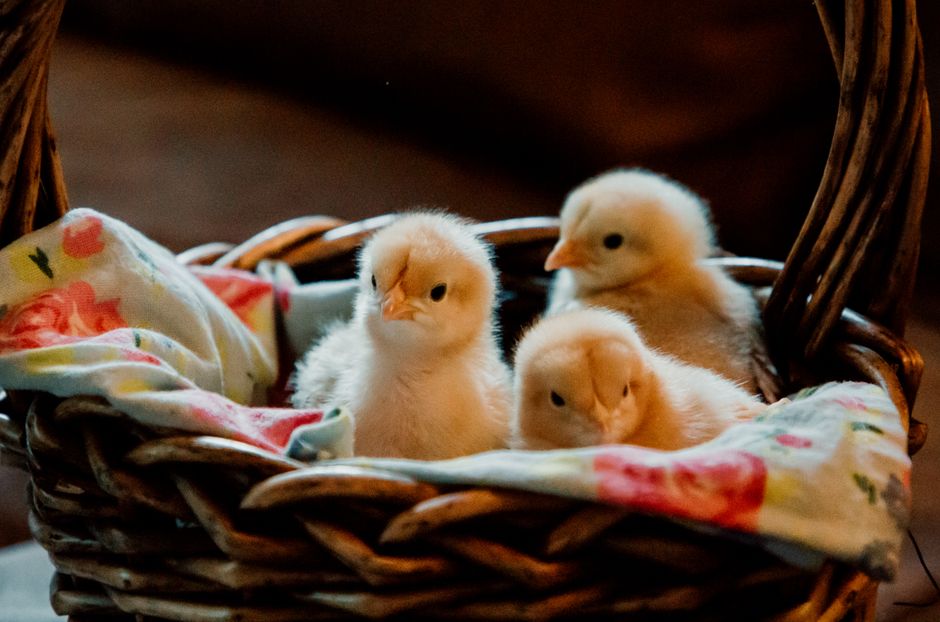
I killed six chicks my first year because I didn’t understand heat gradients. Not a brooder fire, not a predator, not disease. I kept the whole brooder at one temperature, the chicks got too hot, stressed out, piled on top of each other anyway, and the smallest ones suffocated. That was twenty-something chicks worth of learning happening in about four days, and I still think about it.
If you’re setting up a brooder for the first time, or even if you’ve done it before but lost birds you couldn’t explain, this is the piece I wish I’d had.
Use this table to set your heat source height and monitor chick behavior, the gradient matters more than hitting exact numbers.
| Chick Age | Warm Zone Target | Cool Zone Target | Typical Heat Lamp Height | Chick Behavior Check |
|---|---|---|---|---|
| Days 1-7 | 95°F (35°C) | 80-85°F (27-29°C) | 18-20 inches | Scattered evenly = correct; huddled under lamp = too cold; pressed against walls = too hot |
| Days 8-14 | 90°F (32°C) | 75-80°F (24-27°C) | 20-24 inches | Active exploration, brief naps under lamp, eating/drinking freely |
| Days 15-21 | 85°F (29°C) | 70-75°F (21-24°C) | 24-28 inches | Spending less time under heat, wing feathers developing |
| Days 22-28 | 80°F (27°C) | 65-70°F (18-21°C) | 28-32 inches | Mostly feathered, may avoid heat source during day |
| Days 29-35 | 75°F (24°C) | 60-65°F (16-18°C) | 32+ inches or off during day | Body feathers nearly complete, heat only needed if below 60°F ambient |
| Week 6+ | 70°F or ambient | Ambient temp | Supplemental only if below 55°F | Fully feathered, ready for coop transition in mild weather |
General information for comparison, confirm specifics for your situation.
The Container Itself: More Important Than You Think
Most beginners reach for a cardboard box or plastic storage tote. Both work. Neither is ideal.
Cardboard soaks up moisture from chick droppings within days, starts smelling foul, and gets structurally weak in ways that invite predators. Plastic totes are better, but smooth sides make it easy to block drafts while low walls guarantee your chicks will figure out they can jump out within a few weeks.
My honest pick: a metal stock tank from Tractor Supply ($90-110 for the 100-gallon oval model) or a wooden brooder box you build yourself. I’ve used the stock tank for six years straight. It hoses clean in seconds, hardware cloth across the top makes it predator-proof, and those curved walls actually stop chicks from piling into corners, which is how they suffocate each other. Corner piling happens fast. It’s also entirely preventable, just use a round container or tape curved cardboard into the square corners of your brooder.
Twenty-five chicks need at least 2-3 square feet at arrival. By week two you’ll need more. These birds grow impossibly fast. A chick small enough to fit in your palm at day one is nearly full-size three weeks later and will trash any tight space.
Heat: The Part That Actually Requires Thought
Here’s what most people don’t realize: chicks don’t need a specific temperature. They need a warm zone and a cool zone.
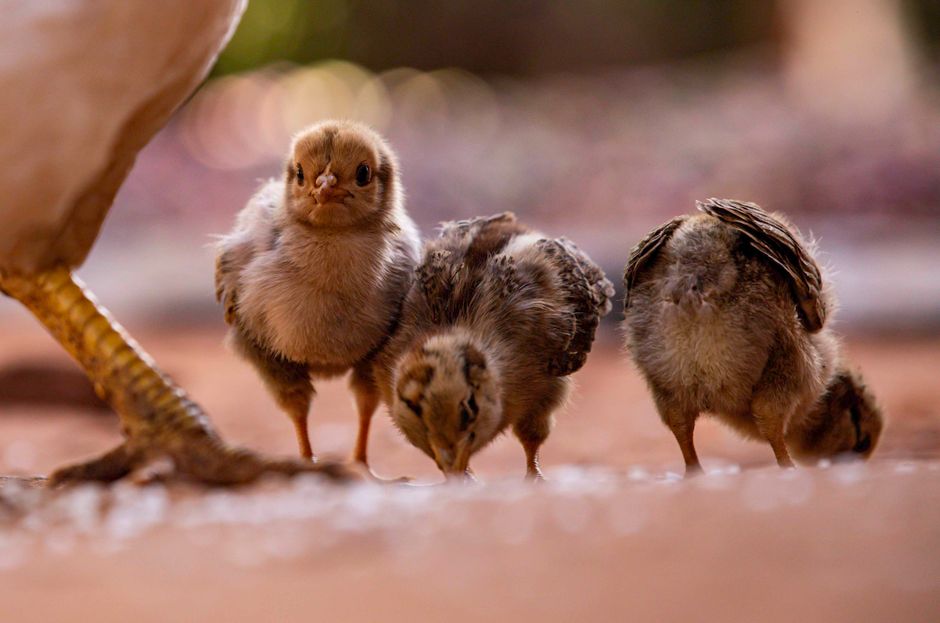
The old rule is 95°F the first week, dropping 5°F each week until you hit room temperature. Start there, sure. But I’ve found watching the chicks beats watching the thermometer every time. Huddled directly under the lamp? Too cold. Pressed against the far walls? Too hot. Scattered around the brooder, eating, drinking, moving naturally? You’re there.
Heat lamps are the traditional choice, and honestly they carry more risk than people admit. You’ll need a 250-watt red bulb in a ceramic socket (never plastic, ceramic only) mounted on a clamp that’s not just clipped but also chained or zip-tied down. A fallen heat lamp into dry bedding becomes a fire. I’ve watched it happen. It’s not theoretical. If you go this route, use the Premier 1 Brinsea Cozy Safe Clamp Lamp or double-secure whatever you’ve got. Chain it down. I’m serious.
The better move: a brooder plate. The Brinsea EcoGlow Safety 20A costs about $75, handles up to 20 chicks, and works like a miniature hen, chicks tuck underneath it naturally. The heating surface reaches around 104°F on roughly 18 watts instead of 250. No meaningful fire risk, lower electricity, and the chicks stay calmer. Trade-off: it won’t heat a cold garage, so if you’re brooding in Minnesota in January, you might need room heat anyway. For most people in most seasons, though, it’s the better tool.
Skip outdoor brooding unless you’ve got a fortress setup. Cold snaps, drafts through cracks, temperature crashes at night, they’ve killed plenty of chicks that looked fine at lunchtime.
Bedding: What Goes on the Floor
Pine shavings. Full stop.
Not cedar (the oils damage respiratory systems). Not newspaper for the first week (it’s slippery, causes spraddle leg, a permanent deformity that’s preventable if you catch it). Not straw unless it’s chopped, because long pieces get stuck in chick crops. Pine shavings, medium to large flake, 2-3 inches deep.
The Tractor Supply store-brand pine shavings run $7-9 for a big compressed bag, one bag covers two full bedding changes in a 100-gallon tank. Refresh or stir the bedding every 2-3 days at minimum. Wet bedding is where respiratory illness lives, where coccidiosis spreads, where ammonia builds up. You’ll smell ammonia before your chicks show symptoms, so trust your nose.
Some people layer paper towels on top of the pine shavings for the first 3-5 days. Chicks can grip the paper without slipping, and it stops them from eating the shavings (which some absolutely will). Pull them off once the chicks understand what actual food is.
Food, Water, and the Logistics of Both
Day-old chicks need chick starter (20-22% protein) and clean water, available always. That’s it.
Medicated vs. unmedicated: medicated starter contains amprolium, which prevents coccidiosis. It’s not an antibiotic. If your hatchery vaccinated for Marek’s but not coccidiosis, medicated starter is sensible insurance. If they vaccinated against coccidiosis specifically, skip the medicated version because it interferes with vaccine immunity-building. Call your hatchery and ask what vaccines were applied. Most people ordering from Murray McMurray or Cackle get Marek’s only, making medicated starter a reasonable choice.
The Little Giant 1-Quart Chick Feeder works for small flocks. With 25 chicks, use at least two feeders so one bossy bird doesn’t hog everything. Same deal with waterers: 1-quart jar waterers are fine initially, upgrade to a 1-gallon plastic model by week two. Drop a couple of clean marbles into the water trough for the first few days, chicks can legitimately drown in shallow waterers. They’re not brilliant creatures.
Keep waterers away from heat. Warm water breeds bacteria, and damp litter under a waterer under a heat source becomes a bacterial colony. Put feeders and waterers on the cool side of the brooder.
Small batches are trickier than people expect. A batch of three to five chicks sometimes includes one that doesn’t understand food is supposed to happen at the feeder. Dip its beak toward the feed once, gently. They usually take it from there.
The Week-by-Week Reality
Sources
- Premier 1 Brinsea Cozy Safe Clamp Lamp
- Brinsea EcoGlow Safety 20A
- Tractor Supply store-brand pine shavings
- Little Giant 1-Quart Chick Feeder
- 1-gallon plastic model
Week one: check for pasty butt every single day. Manure gets stuck to the vent opening, blocks it up, kills the chick within a day or two. Clean it off gently with warm water and a cotton ball. It’s more common in shipped chicks, probably stress-related.
Week two: wing and tail feathers come in, they get mobile, they try flying. Low-sided containers become escape hazards. Add a wire top now.
Week three and four: full feathering happening, the brooder smells worse, food consumption jumps, pecking order shows up. I usually move them into a bigger temporary pen, a sectioned-off coop corner with a brooder plate for another week or two depending on outside temperatures.
Fully feathered chicks can move outside permanently once they’re around 6-8 weeks old, but only if nighttime lows stay above 50°F or so. The timeline shifts by breed. Cochins and other heavy birds forgive the cold. Leghorns and thin-feathered types need more babying in winter.
Get the heat gradient right. Keep the bedding dry. Check for pasty butt every morning. Secure that heat lamp like it matters, because it does. Most brooder disasters are preventable once you know what to watch for. The ones that aren’t preventable, like a tipped lamp or a smothered chick, almost always had warning signs you could’ve caught first.
This post may contain affiliate links. As an Amazon Associate, Backyard Chickens & Poultry may earn a commission from qualifying purchases at no extra cost to you.
Photo: Cheryl Prince via Pexels