 Sarah Mills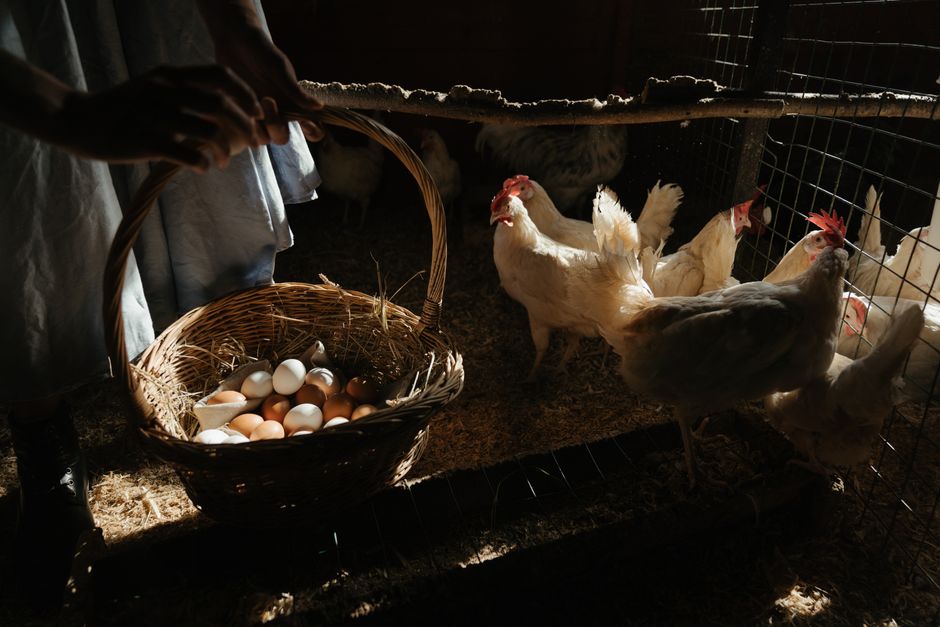
If you’ve ever stood in front of a feed store bin of chicks, heart rate climbing, trying to remember which breed your neighbor swore by, you know the feeling. Six breeds stare up at you, all fluffy and identical in their peeping chaos, and you need to make a decision that’ll shape your next five years of egg production. Getting it wrong doesn’t ruin your life, but getting it right means pulling a dozen eggs from the nest box every single morning without fail. That difference is real, and it starts with breed selection.
What “Best Layer” Actually Means (And Why It’s Not One Size Fits All)
People throw around numbers like “300 eggs a year” without much context, and that sets new keepers up for frustration. Yes, some breeds can hit that number. But a hen laying 300 eggs her first year will often drop to 220 the second year, and 150 the third. Production tapers. That’s not a defect, it’s biology.
The real question isn’t just which hen lays the most eggs. It’s which hen lays the most eggs given your climate, your setup, your tolerance for temperament quirks, and how long you want each bird to stay in your flock.
I keep chickens in the Pacific Northwest where we get cold, wet winters with short daylight hours. A breed that blazes through summer production and then quits cold turkey in October doesn’t work for me. I need steady layers, not sprint-and-crash layers. Your situation might be completely different. Someone in Texas dealing with scorching summers needs a heat-tolerant bird that won’t stop laying when the thermometer hits 100. A family with small kids needs a calm, people-friendly breed. These factors matter just as much as raw egg counts.
The Top Egg Laying Breeds Worth Your Time
Here are the breeds I’ve kept, observed, or both, that genuinely deliver on egg production.
ISA Brown (and other Production Red Sex-Links)
These are the workhorses of the backyard flock. ISA Browns, Red Stars, Golden Comets, they’re all commercial-style sex-link hybrids bred specifically to pump out eggs. Expect 300 to 320 eggs per year in year one. The catch: they burn bright and burn fast. By year three, many keepers notice significant production drops, and these hens are more prone to reproductive issues like internal laying and egg yolk peritonitis as they age. If you want maximum eggs for two to three years, these are your birds. Just go in with realistic expectations about their long-term health.
Leghorn
The White Leghorn is the gold standard of egg production in commercial settings. They lay large white eggs at a rate of 280 to 320 annually and they do it efficiently, meaning they eat less feed per egg than heavier breeds. The downside is personality. Leghorns are flighty, skittish, and loud. They’re not lap chickens. They’re also poor in cold climates because their large single combs are susceptible to frostbite. If you’re in a mild climate and don’t care about a friendly flock, Leghorns deliver.
The Rhode Island Red is probably the most forgiving breed on this list. They lay 250 to 300 brown eggs per year, they’re cold-hardy, they tolerate heat reasonably well, and their temperament is generally calm. I’ve kept RIRs for years and they’re consistently the birds I recommend to people who want solid production without drama. They’ll free range, they’ll do fine in a run, and they don’t throw big personality fits.
Plymouth Rock (Barred Rock)
Barred Rocks lay around 200 to 280 brown eggs per year, which sounds modest compared to ISA Browns, but these hens lay steadily for four or five years instead of burning out. They’re dual-purpose birds with good size, calm personalities, and real cold hardiness. I’ve had Barred Rock hens still laying at age four when my sex-links had basically retired. If longevity matters to you, consider this trade-off seriously.
Sussex
Speckled Sussex hens are underrated in the egg department. They’ll give you 200 to 250 light brown eggs annually, but more importantly they’re curious, friendly, and active foragers. They do well in cold climates and their temperament makes them excellent birds for families with children. Egg production isn’t flashy, but consistency is solid and these hens tend to stay productive longer than hybrid breeds.
Australorp
The Australorp holds the world record for egg laying: one hen laid 364 eggs in 365 days in an Australian trial in the 1920s. Modern Australorps won’t hit that, but 250 to 300 eggs annually is realistic. They’re big, calm, cold-hardy birds with glossy black feathers that shine green in sunlight. I’ve never met an Australorp I didn’t like. They’re gentle, adaptable, and reliable. Highly recommend for both beginners and experienced keepers.
Side-by-Side Breed Comparison
3 BEST CHICKEN BREEDS | Backyard & Family Flocks | Favorite Poultry Varieties For Beginners | Chicks · Oak Abode on YouTube
| Breed | Eggs/Year | Egg Color | Cold Hardy | Temperament | Longevity |
|---|---|---|---|---|---|
| ISA Brown | 300-320 | Brown | Moderate | Friendly | 2-3 years peak |
| White Leghorn | 280-320 | White | Poor | Flighty | 2-3 years peak |
| Rhode Island Red | 250-300 | Brown | Good | Calm | 3-4 years |
| Barred Rock | 200-280 | Brown | Excellent | Very Calm | 4-5 years |
| Sussex | 200-250 | Light Brown | Good | Very Friendly | 3-4 years |
| Australorp | 250-300 | Brown | Good | Gentle | 3-4 years |
Here’s a quick comparison of the top layers to help you sort through the options:
| Breed | Eggs/Year | Egg Color | Cold Hardy | Temperament | Longevity |
|---|---|---|---|---|---|
| ISA Brown | 300-320 | Brown | Moderate | Friendly | 2-3 years peak |
| White Leghorn | 280-320 | White | Poor | Flighty | 2-3 years peak |
| Rhode Island Red | 250-300 | Brown | Good | Calm | 3-4 years |
| Barred Rock | 200-280 | Brown | Excellent | Very Calm | 4-5 years |
| Sussex | 200-250 | Light Brown | Good | Very Friendly | 3-4 years |
| Australorp | 250-300 | Brown | Good | Gentle | 3-4 years |
No breed is perfect across every column. That’s why most experienced keepers run mixed flocks, pulling the strengths of multiple breeds together.
What Actually Affects How Many Eggs You Get
Breed potential means nothing if the fundamentals aren’t right. I’ve seen flocks of Leghorns barely scraping 200 eggs per year because of management gaps that were entirely fixable.
Light. Hens need 14 to 16 hours of light per day to lay consistently. In winter, that means supplemental lighting. A simple timer-controlled coop light can make a dramatic difference. I use a basic LED bulb on a timer set to run from 4 a.m. until natural sunrise, topping up the light hours without disrupting the hens’ nighttime rest. A programmable outlet timer costs almost nothing and pays for itself in eggs within a week.
Nutrition. Layer feed with 16 to 18 percent protein keeps production strong. Drop below that and you’ll notice it. Scratch grains are a treat, not a diet. I see keepers overfeeding scratch constantly and then wondering why production tanks in winter. Keep treats under 10 percent of the daily diet.
Stress. Predator pressure, flock overcrowding, aggressive roosters, or constant disturbance will tank production fast. Hens need to feel safe. A good quality coop that’s secure and properly sized, roughly 4 square feet per bird inside and 10 square feet in the run, goes a long way. Nesting boxes matter too. Hens get picky about where they lay. I line mine with nesting box pads to keep eggs clean and give the hens something to settle into.
Water. A hen’s egg is about 74 percent water. If fresh water isn’t available all day, egg production suffers immediately. In summer, check waterers twice daily. In winter, use a heated waterer to prevent freezing. A heated poultry waterer is one of those purchases that seems unnecessary until you’ve dealt with a frozen waterer at 6 a.m. in January.
Molting. Every year, usually in fall, hens drop their feathers and regrow them. During this time, most hens stop laying for 6 to 12 weeks. This is normal. High-protein feed during molt helps them get through it faster. Some keepers bump to a 20 percent protein feed or add dried mealworms as a protein supplement.
Building Your Flock for Year-Round Production
Sources
If consistent egg supply matters to you, don’t put all your eggs in one basket, literally. Running a single breed means your entire flock molts on roughly the same schedule, goes off lay in winter at the same time, and ages out together.
The strategy that works best in my experience is staggering. Get chicks in early spring, then add a second small batch in late summer. This way you’ll almost always have hens in active lay, because the younger group is often ramping up just as the older group hits molt.
A mixed-breed flock also gives you a buffer. Your ISA Browns carry production in years one and two while your Barred Rocks and Australorps warm up. By year three, when the ISA Browns are slowing down, the dual-purpose breeds are in their reliable middle-production years.
For a family needing a dozen eggs a day, I’d suggest six to eight hens minimum, with some variation in breed and age. Factor in that not every hen lays every day even at peak, and you’ll rarely have 100 percent of your flock laying simultaneously.
Photo: cottonbro studio via Pexels