 Janet Wilson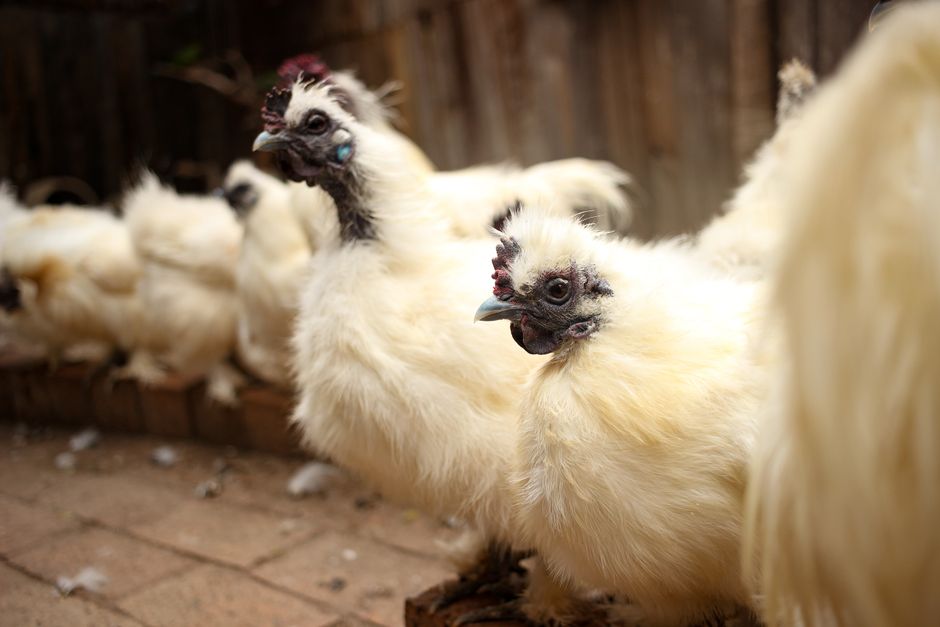
You ordered six “beginner-friendly” chicks from a hatchery, picked up your brooder supplies, and three weeks later you’re standing in your backyard watching one bird terrorize the others, another refusing to leave the coop, and a third making a sound you can’t find anywhere on YouTube. Sound familiar? The breed you choose matters far more than most beginners realize. Not every friendly-looking chicken at the feed store is actually easy to keep, and not every calm breed lays enough eggs to justify the feed bill. After raising birds for 12 years across 14 breeds, I’ve watched enough beginners succeed and struggle to know exactly which chickens give you the best shot at a genuinely enjoyable first flock.
What Actually Makes a Breed “Beginner-Friendly”?
Before we talk specific birds, let’s set the baseline. A beginner-friendly breed isn’t just about temperament, though that matters a lot. It’s a combination of things that work together to make your life easier in that first year when you’re still figuring everything out.
Look for these core traits:
- Calm, docile temperament. You want birds that tolerate handling, don’t spook easily, and won’t turn into little dinosaurs when you reach into the coop.
- Consistent egg production. 200 to 280 eggs per year is a solid target. You want to feel rewarded for the effort.
- Hardiness across climates. A breed that can’t handle a cold snap or a hot afternoon creates extra work and vet stress you don’t need.
- Adaptability to confinement. Not everyone has an acre of free-range space. Many beginners start small, and some breeds handle that much better than others.
- Forgiveness of management mistakes. You will mess up. You want a breed that doesn’t punish you too hard for it.
Heavy dual-purpose breeds check most of these boxes. That’s not a coincidence. They were bred for generations to be manageable by ordinary farm families, not poultry specialists.
The Five Breeds I Recommend Without Hesitation
| Breed | Temperament | Eggs/Year | Cold Hardy | Beginner Rating |
|---|---|---|---|---|
| Rhode Island Red | Calm, docile | 250-300 | Yes | Excellent |
| Barred Rock | Friendly, curious | 200-280 | Yes | Excellent |
| Buff Orpington | Gentle, docile | 200-250 | Yes | Excellent |
| Sussex | Calm, curious | 250-275 | Yes | Excellent |
| Australorp | Easy-going | 250-300 | Yes | Excellent |
Rhode Island Red
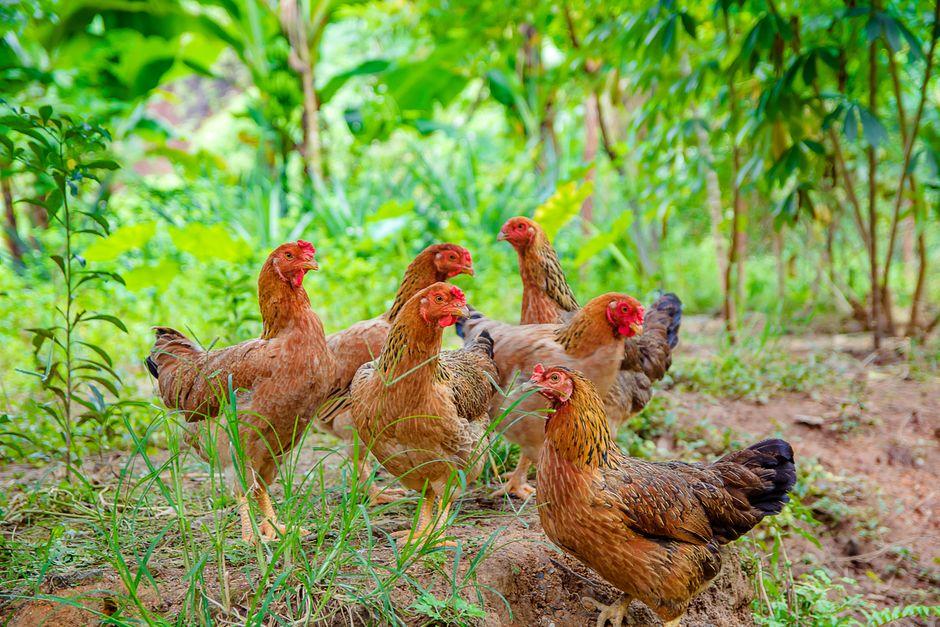
If I could only recommend one breed to a first-time keeper, this would be it. Rhode Island Reds are tough, productive, and they don’t demand a lot of fussing over. A good production hen will lay 250 to 300 brown eggs per year. They handle cold weather well, tolerate confinement reasonably, and they’re generally calm without being so flighty that they create management headaches.
One honest note: roosters can be assertive. If your flock includes a Rhode Island Red roo, give him space to establish himself and watch your back. The hens, though, are usually sweet and manageable.
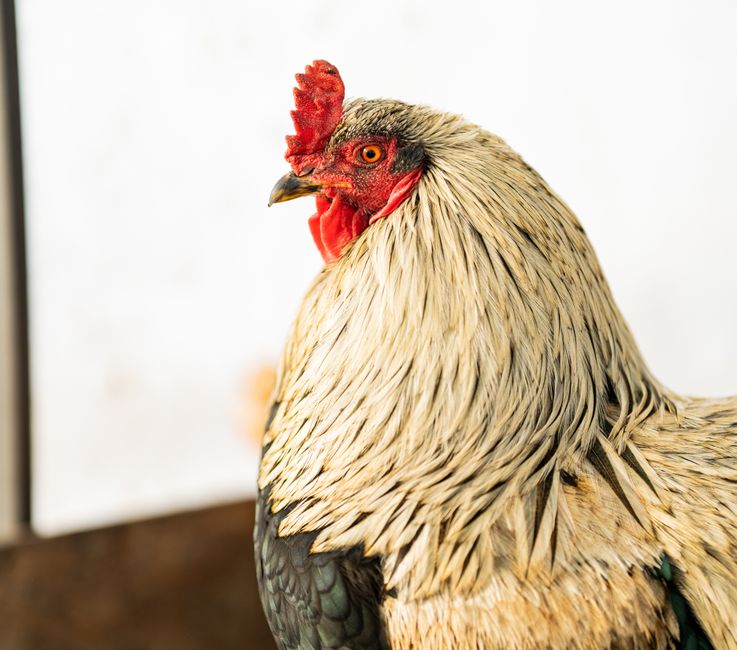
Plymouth Rock (Barred Rock)
Barred Rocks are the breed I point most beginners to when they say “I want chickens that are like… pets, but also lay eggs.” They’re friendly, curious, and tend to calm down quickly when handled from a young age. Egg production sits around 200 to 280 large brown eggs per year, which is plenty for a family of four with some to spare.
They’re absolutely beautiful birds too. The black-and-white barring pattern is striking, and new chicken keepers often find that visual appeal matters more than they expected. Happy keepers stay keepers.
Buff Orpington
I have a soft spot for Buff Orpingtons that I can’t fully explain. They’re big, fluffy, gentle birds that look like they belong in a children’s book. They consistently rank as one of the most docile breeds available, which makes them excellent for families with kids who want to interact with the flock.
Production-wise, expect around 200 to 250 light brown eggs per year. They’re not the top layer, but personality makes up for it. They go broody more often than the previous two breeds, which is a feature or a nuisance depending on your goals. Want to hatch eggs naturally someday? A broody Buff Orpington is genuinely wonderful. Just want consistent laying? You’ll need to manage broody breaks.
Cold hardy. Calm. Forgiving of beginners. Hard to go wrong.
Sussex (Speckled or Light Sussex)
Sussex birds don’t get talked about enough in American backyard chicken circles. Light Sussex hens are calm, friendly, and lay 250 to 275 cream or light brown eggs per year. Speckled Sussex are similar in temperament with a stunning spotted plumage that gets more beautiful each molt.
They’re naturally curious and excellent foragers if you give them space, but they also tolerate confinement better than many active breeds. I’ve seen Sussex adapt easily to small backyard setups without the stress behavior you sometimes see in birds that really need to range.
Australorp
The Australian Black Australorp holds the world record for single-hen egg production at 364 eggs in 365 days. You won’t hit that in your backyard, but you’ll reliably get 250 to 300 eggs per year from a good hen, which is exceptional. They have a calm, easy-going temperament, they’re hardy in both heat and cold, and their black feathers with green iridescence make them one of the most visually striking breeds you can keep.
For beginners who want production without sacrificing manageability, Australorps are hard to beat.
Breeds to Approach with Caution as a Beginner
3 BEST CHICKEN BREEDS | Backyard & Family Flocks | Favorite Poultry Varieties For Beginners | Chicks · Oak Abode on YouTube
Some breeds get labeled “friendly” in general chicken literature but come with real caveats.
Easter Eggers and Ameraucanas are popular for their blue and green eggs, and many individuals are quite tame. But temperament varies significantly bird to bird, they can be skittish, and production can be uneven. Not a disaster for beginners, but not the most predictable choice either.
Silkies look irresistible and they are genuinely sweet. But they have special care requirements, their feathered feet get muddy and matted in wet conditions, and they can’t see well due to their crests. That makes them easy targets for other birds or predators. They also aren’t great layers. I love Silkies as a second or third flock addition, not a first bird.
Leghorns lay extraordinarily well (300+ white eggs per year) but they’re flighty, nervous, and loud. In my experience, first-time keepers often find Leghorns stressful to manage. Great birds for experienced keepers with adequate space. A tough first bird.
Polish chickens are quirky and fun but the feather crest genuinely impairs their vision, they’re easily startled, and they struggle in wet climates. Beautiful, but not forgiving for beginners.
How to Compare Your Top Picks: A Practical Breed Chart
| Breed | Annual Eggs | Egg Color | Temperament | Cold Hardy | Heat Hardy | Confinement | Beginner Score |
|---|---|---|---|---|---|---|---|
| Rhode Island Red | 250-300 | Brown | Calm (hens) | Excellent | Good | Good | 9/10 |
| Barred Rock | 200-280 | Brown | Very friendly | Excellent | Good | Very good | 9/10 |
| Buff Orpington | 200-250 | Light brown | Very gentle | Excellent | Moderate | Very good | 8/10 |
| Australorp | 250-300 | Brown | Calm | Good | Good | Good | 9/10 |
| Sussex | 250-275 | Cream/brown | Calm, curious | Good | Good | Very good | 8/10 |
| Leghorn | 280-320 | White | Flighty | Good | Excellent | Poor | 4/10 |
| Silkie | 100-120 | Cream | Very gentle | Poor | Moderate | Moderate | 5/10 |
Print this out and tape it to your brooder. These numbers reflect real-world backyard production, not hatchery marketing.
Setting Your New Flock Up for Success
Sources
Choosing the right breed is step one. What you do next determines whether those birds thrive.
Step 1: Source your chicks carefully. Hatcheries like Meyer Hatchery, Cackle Hatchery, and Murray McMurray are reliable sources with good breed stock. Your local feed store chicks are often unlabeled or mislabeled, which defeats the whole purpose of selecting a specific breed.
Step 2: Get the brooder right before the chicks arrive. You need a heat source (a 250-watt red heat lamp or a Brinsea brooder plate), a thermometer, a shallow waterer, and a small feeder. Start temperature at 95°F the first week, dropping 5°F each week after. The Brinsea EcoGlow brooder is worth every penny over a heat lamp for fire safety reasons alone.
Step 3: Feed the right food. Chicks need 20% protein chick starter for the first 16-18 weeks. Don’t skip this and don’t switch early. Once they’re laying, move to a 16-17% layer feed with calcium. A bag of Purina Flock Raiser is a solid all-ages option if you want to keep things simple.
Step 4: Build or buy a coop that gives each bird 4 square feet of indoor space minimum. Crowding is the number one cause of pecking, stress, and disease in backyard flocks. For a 6-bird flock, that means at least a 4x6 coop interior, plus run space of 10 square feet per bird.
Step 5: Line your nesting boxes before your hens start laying around week 18-20. They should have one box for every 3-4 hens. Excelsior nesting pads are clean, easy to swap out, and discourage egg eating better than loose straw.
Step 6: Have a basic first aid kit ready. Vetericyn wound spray, Corid for coccidiosis (the number one killer of young chicks), and a poultry vitamin supplement like Nutri-Drench. You won’t need all of it. But you’ll be grateful it’s there the first time something goes sideways at 7 PM on a Sunday.
Photo: Laura Alessia via Pexels